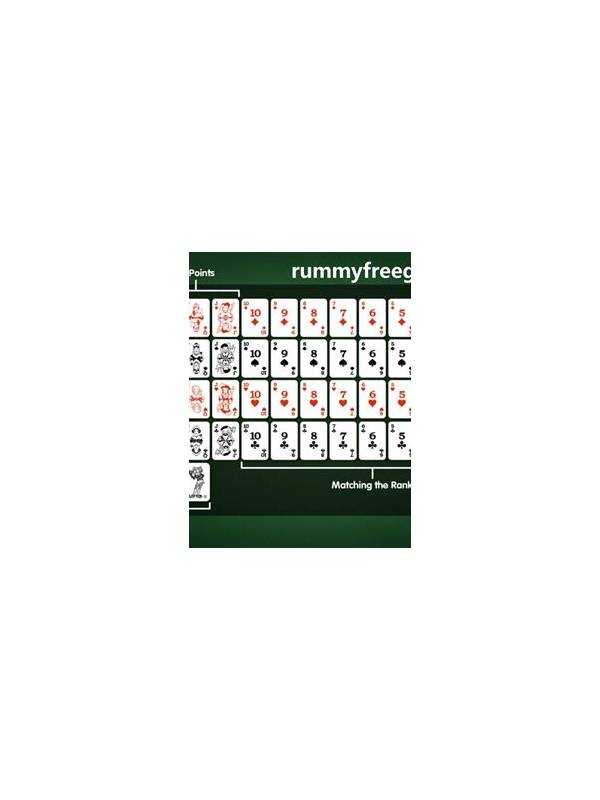
Rummy How-To: Label Draws as Build, Repair, or Explore Rummy How-To: Label Draws as Build, Repair, or Explore
Classifying each draw as build, repair, or explore can make a rummy plan easier to review. [...]
Classifying each draw as build, repair, or explore can make a rummy plan easier to review. [...]
Duplicate cards in one suit are not automatically bad, but they deserve a closer look at grouping and point exposure. [...]
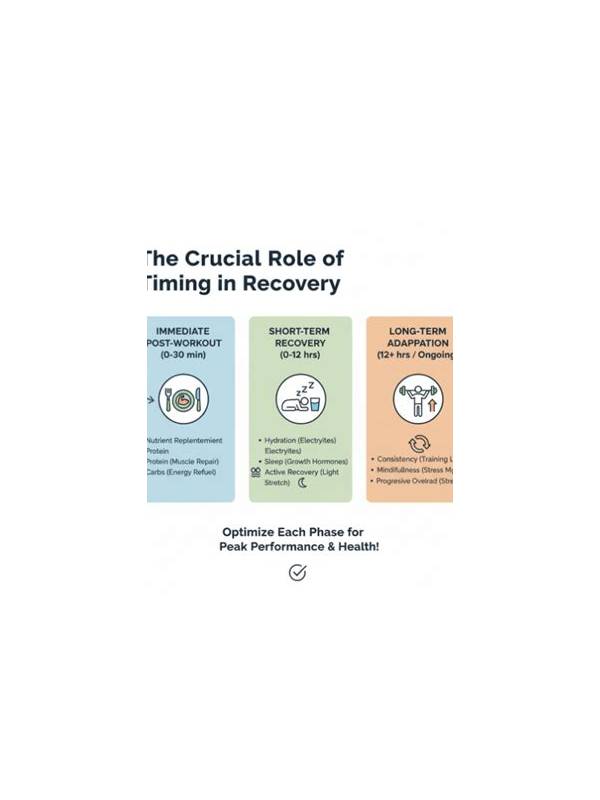
A simple recovery routine can restore context after a delay without encouraging rushed or repeated actions. [...]
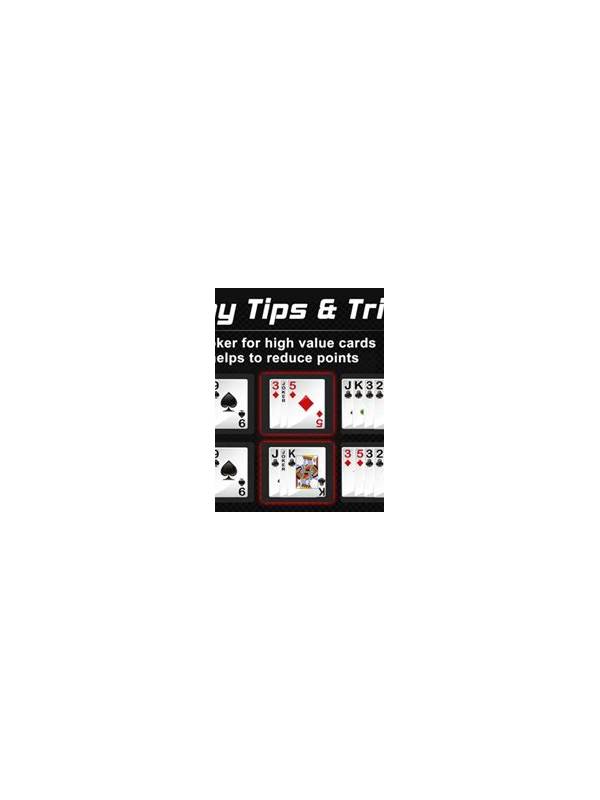
A short, consistent review sample can test a rummy idea without turning a few results into a rule. [...]
Choosing between a clear group and a flexible holding pattern depends on timing, alternatives, and risk. [...]
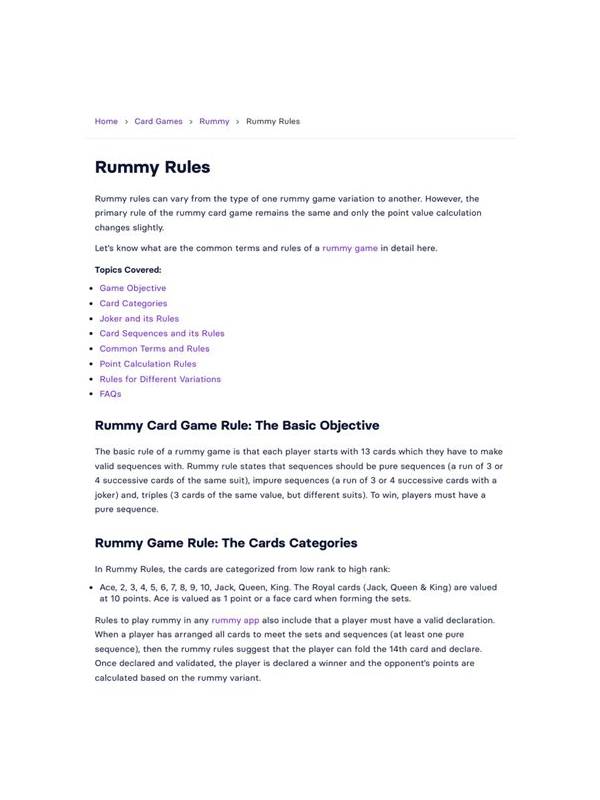
A clear pause and rule check can prevent confusion when a table or app changes conditions during play. [...]
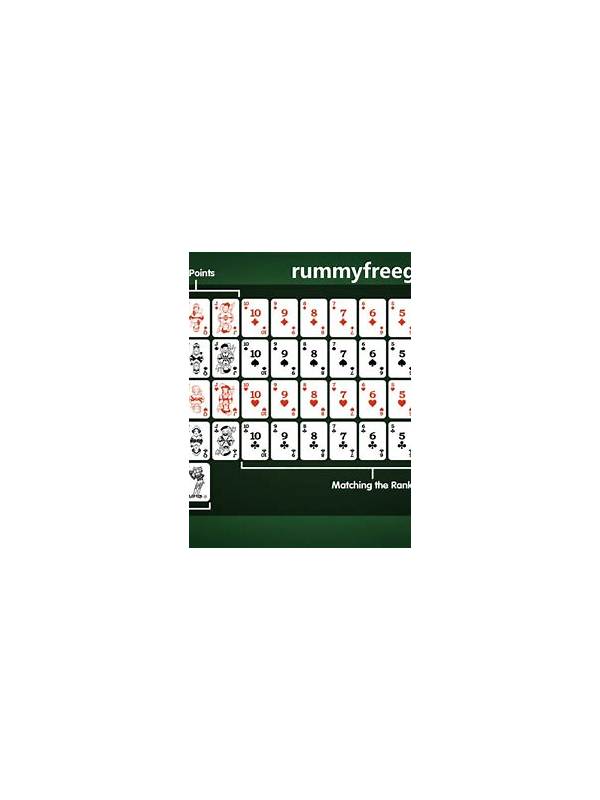
Replacement cost helps you compare a connected card with a high-value card that is harder to use. [...]
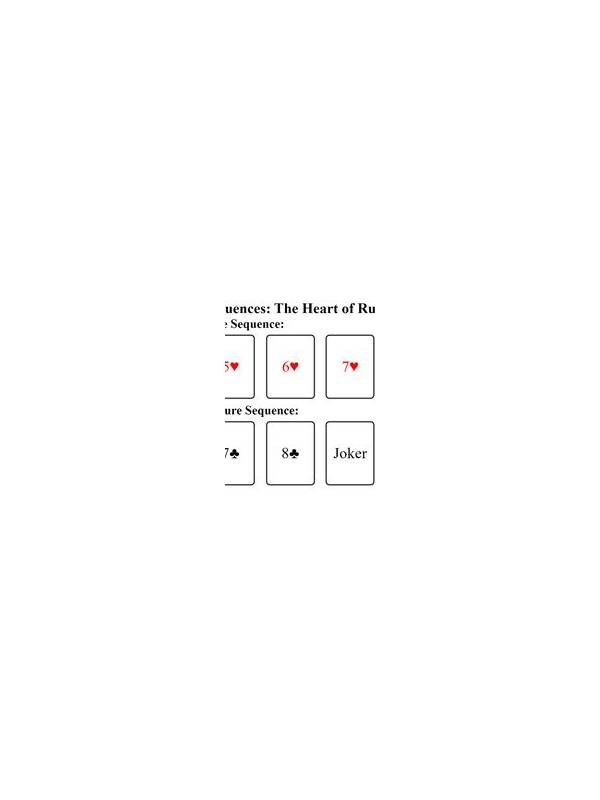
An unfinished sequence can be useful, but its value depends on its connections, cost, and alternatives. [...]

A two-pass suit audit can make an unfamiliar rummy hand easier to read before you choose a discard. [...]
Discard information should be retired when it no longer changes a realistic decision in the hand. [...]