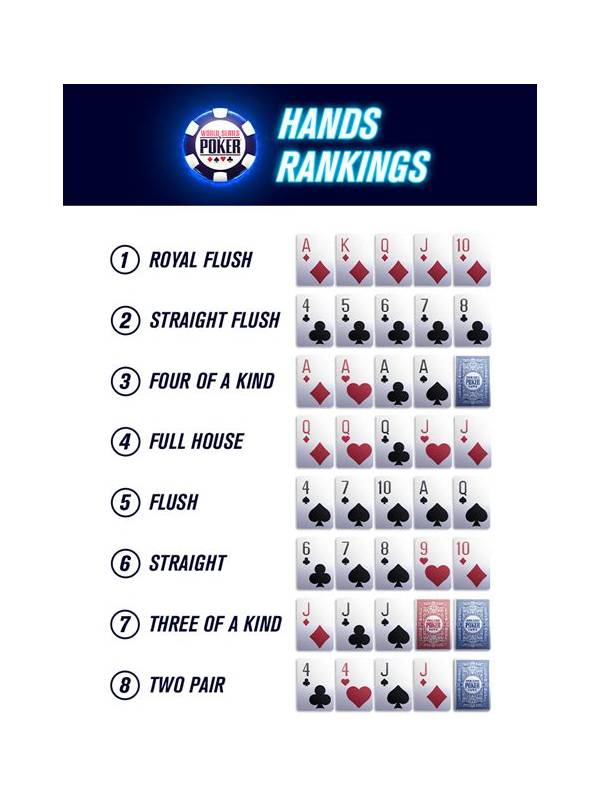
Rummy FAQ: Why Does a Pair Need Context? Rummy FAQ: Why Does a Pair Need Context?
A pair is only one part of a rummy hand, so its value depends on flexibility, timing, and competing structures. [...]
A pair is only one part of a rummy hand, so its value depends on flexibility, timing, and competing structures. [...]
A fast table does not require rushed thinking when a player uses a concise, repeatable decision routine. [...]
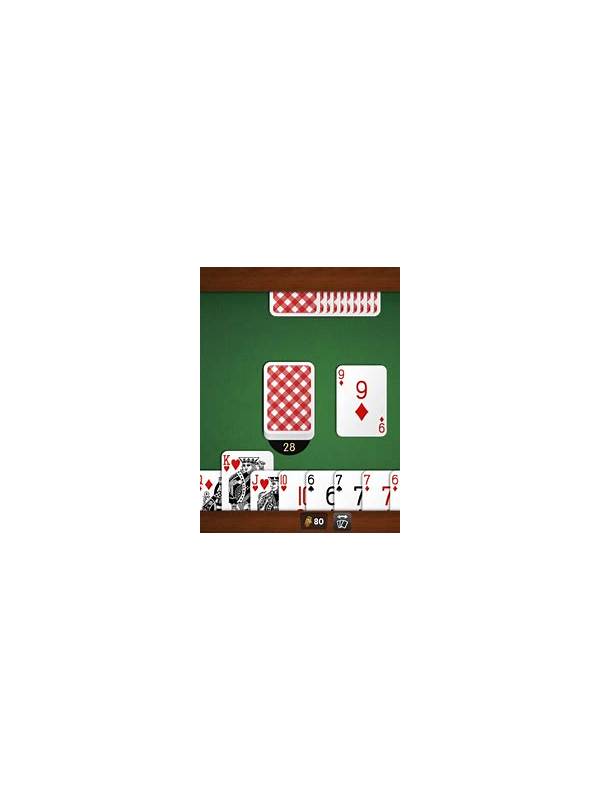
Decide when an open-pile card is worth taking by comparing its immediate value with the information it reveals. [...]
A bridge card can connect competing structures, but its value depends on realistic routes and opportunity cost. [...]
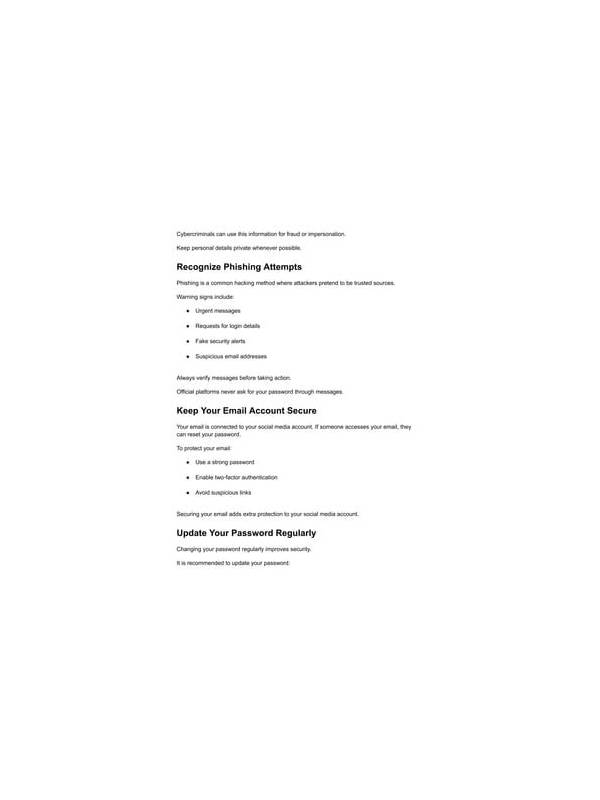
Account recovery is safer when players verify requests through official channels and keep authentication details private. [...]
Three focused review questions can turn a finished rummy hand into a practical next-session experiment. [...]
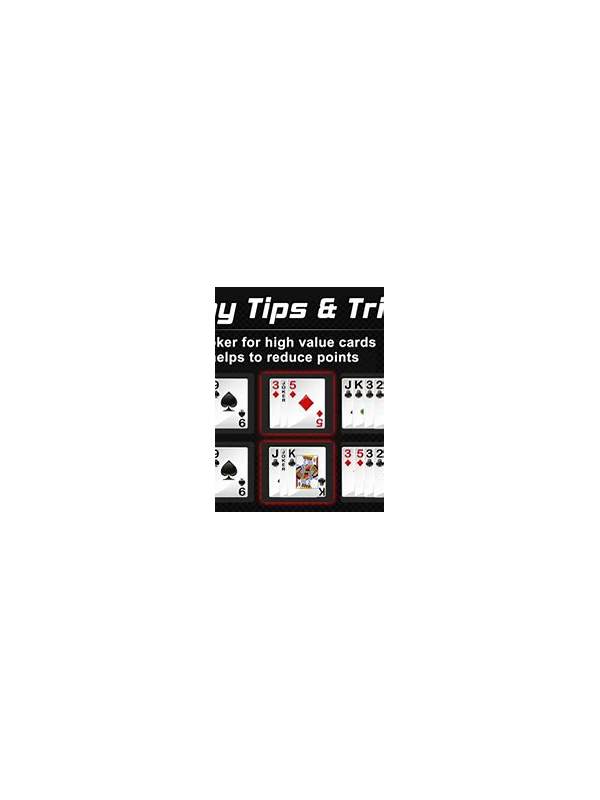
A brief pause before drawing can prevent automatic choices and improve awareness of the hand’s current problem. [...]

A flexible anchor is a card or group that supports several realistic developments while a hand is still forming. [...]

Small screen-privacy habits help keep account details, cards, and payment information away from unintended viewers. [...]
Marking the first realistic route in a rummy hand reduces clutter and gives later choices a useful reference point. [...]