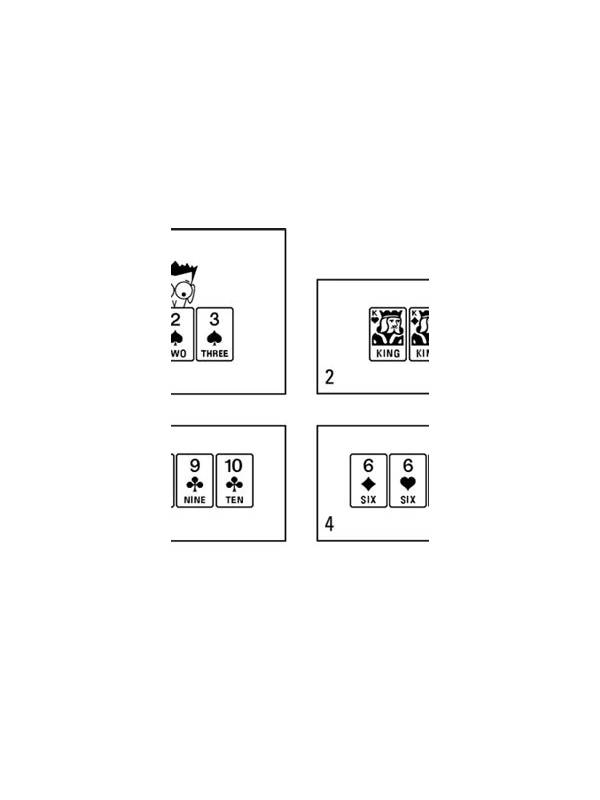
Rummy FAQ: Should Every Draw Improve the Hand? Rummy FAQ: Should Every Draw Improve the Hand?
Not every draw needs to complete a group, but every turn should have a reason that fits the current hand plan. [...]
Not every draw needs to complete a group, but every turn should have a reason that fits the current hand plan. [...]

A deadline keeps an attractive but stagnant group from consuming the whole hand and blocking better arrangements. [...]

Players should understand a table’s rules and privacy controls before entering personal or payment information. [...]

Visual layouts reveal card relationships quickly, while written notes are better for tracking habits across many rounds. [...]

A planned midpoint check helps players replace weak early assumptions before the final turns become urgent. [...]

A practical way to estimate useful cards while remembering that every estimate has limits. [...]
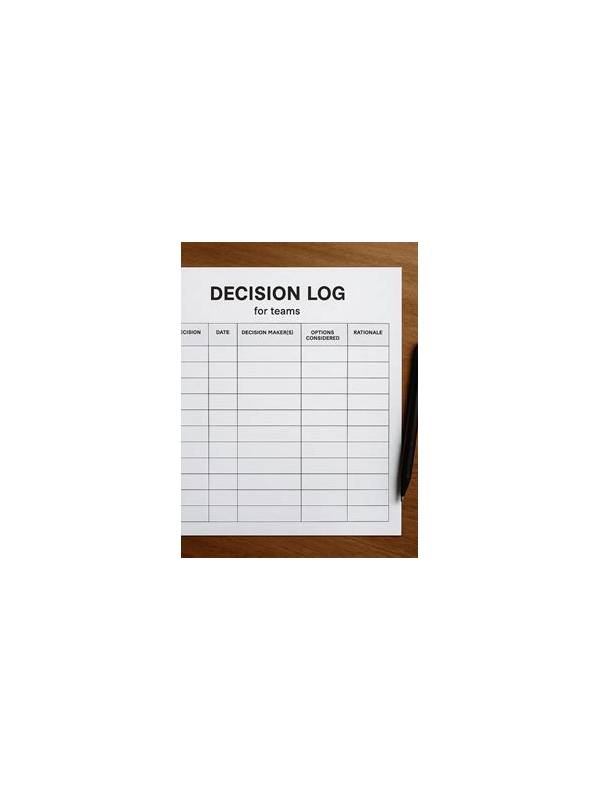
Four simple labels can record why a card was kept or discarded without turning a practice review into a transcript. [...]
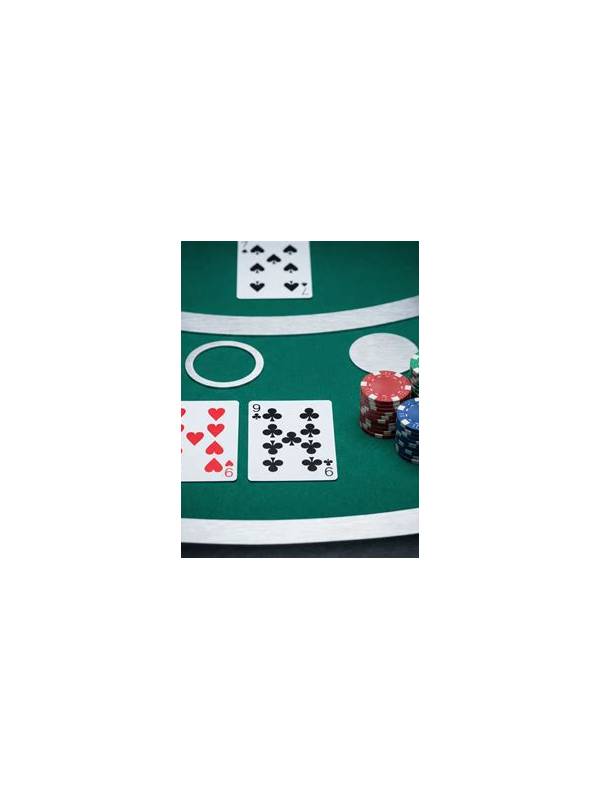
Pairs are easy to notice, but their real value depends on available extensions, timing, and the rest of the hand. [...]
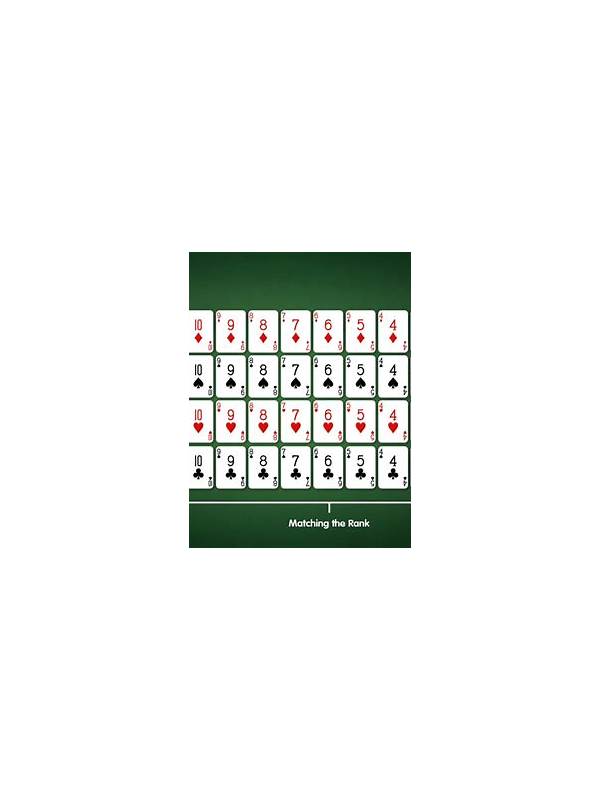
A card can be valuable because of its points or because it supports a realistic plan, and those values can conflict. [...]
Short reviews after several rounds and one longer weekly review serve different learning needs. [...]