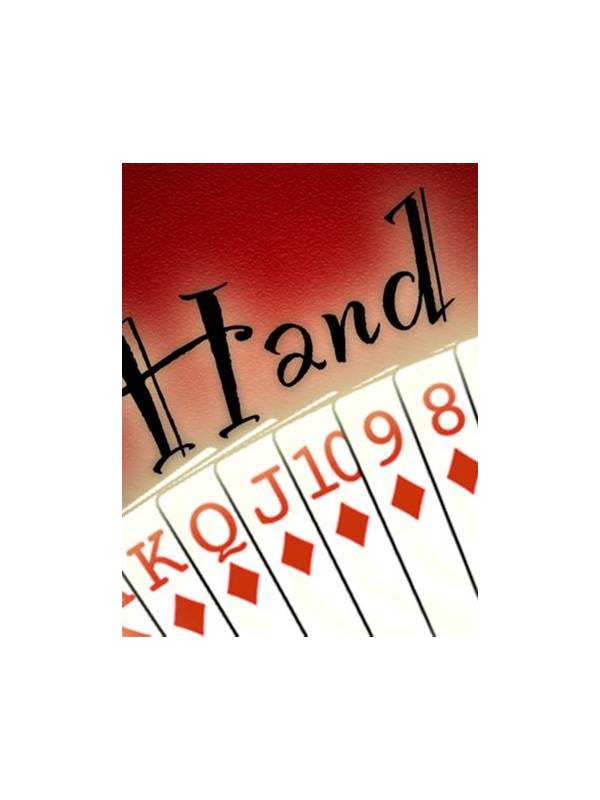
Rummy Practice: Rebuild a Hand From the Final Position Rummy Practice: Rebuild a Hand From the Final Position
Reconstructing a rummy hand from its final position trains memory, sequencing, and honest evaluation of earlier choices. [...]
Reconstructing a rummy hand from its final position trains memory, sequencing, and honest evaluation of earlier choices. [...]
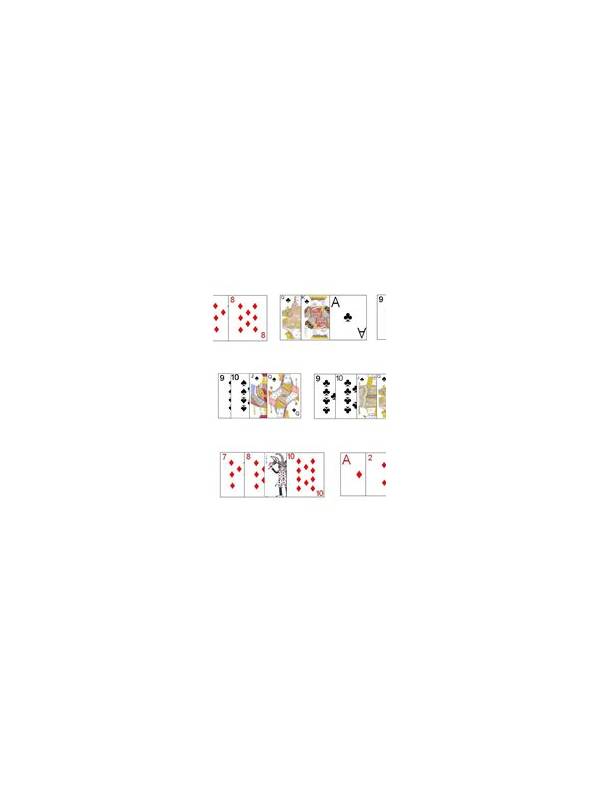
Comparing hand structure instead of card count reveals why two equally large rummy hands can offer very different choices. [...]
Moving from practice to a competitive table is easier when rules, pace, and personal limits are checked in advance. [...]
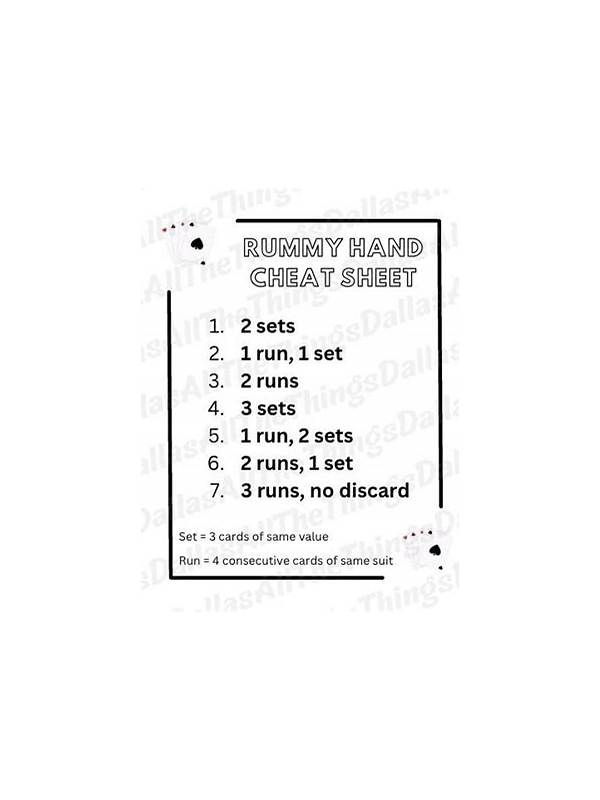
Thinking in terms of hand temperature can describe changing options without pretending that momentum guarantees a result. [...]
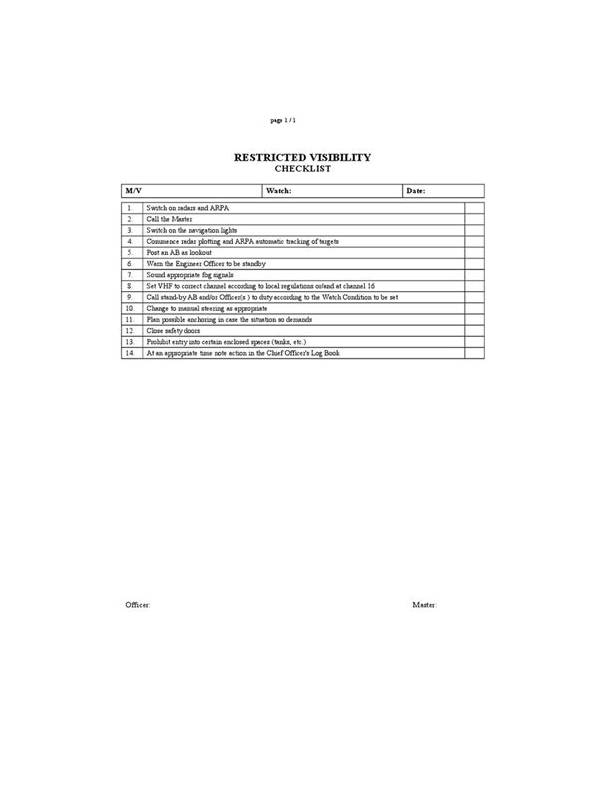
Checking visual visibility before a round reduces selection errors and prevents missed table information. [...]
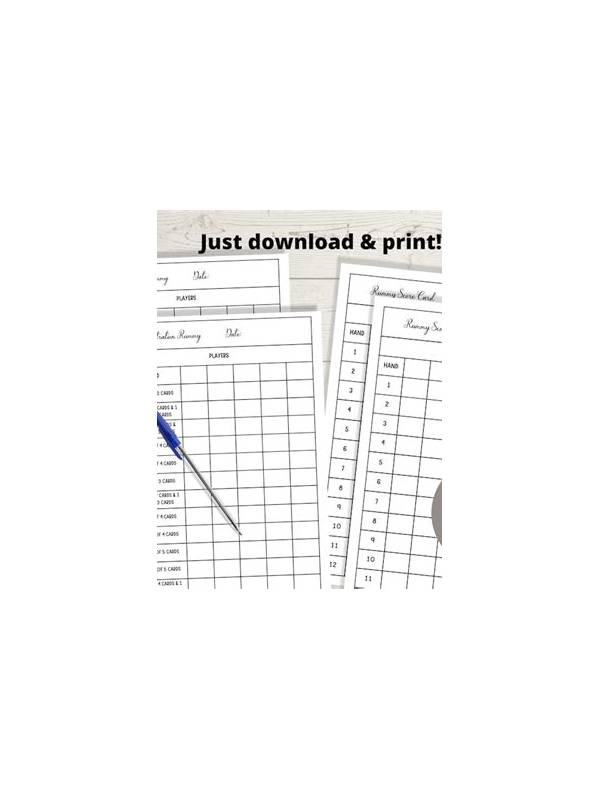
A compact notation system makes post-game rummy notes faster to write and easier to compare. [...]
Understanding seat position helps players separate visible information from assumptions about an opponent. [...]

Neutral notes can improve learning while protecting account details and other players’ privacy. [...]

A table choice is easier to assess when format, cost, pace, and rules are visible before joining. [...]

A deck of cards and a few minutes can train arrangement skills without a live table or account. [...]