
Rummy FAQ: How Can You Tell a Route Is Too Narrow? Rummy FAQ: How Can You Tell a Route Is Too Narrow?
A route becomes too narrow when it depends on one exact card, consumes costly holds, and has no affordable fallback. [...]
A route becomes too narrow when it depends on one exact card, consumes costly holds, and has no affordable fallback. [...]
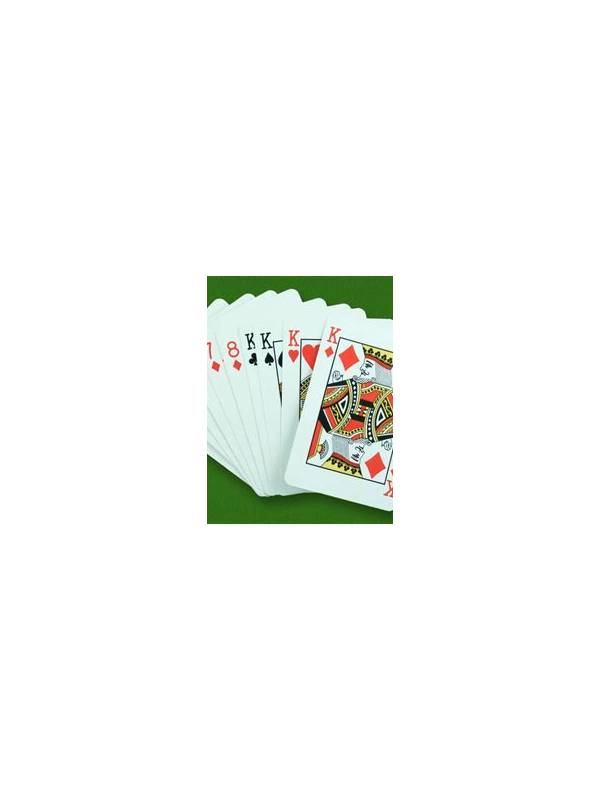
Building a practice hand from separate random groups trains players to identify anchors before reacting to isolated cards. [...]
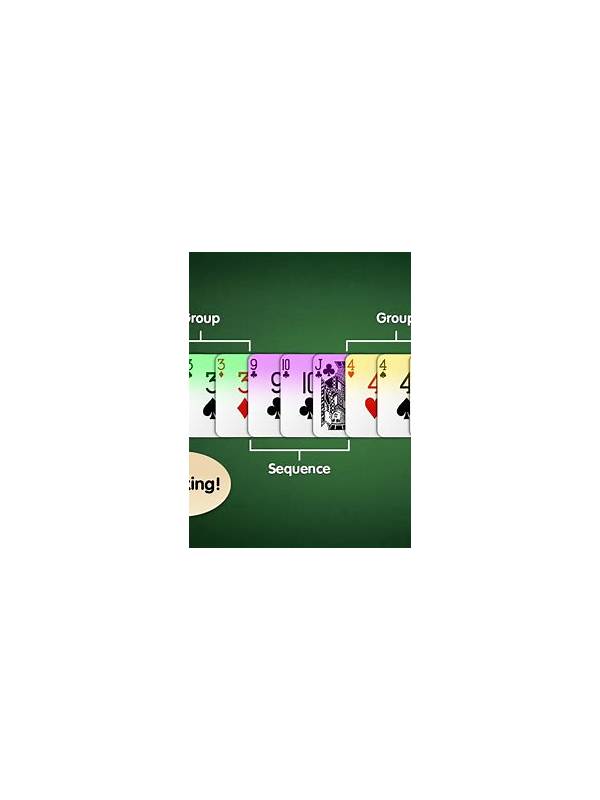
One carefully chosen example can show how a discard balances connections, points, and future options. [...]

Separating payment choices from a timed turn protects attention and reduces pressure-driven spending decisions. [...]
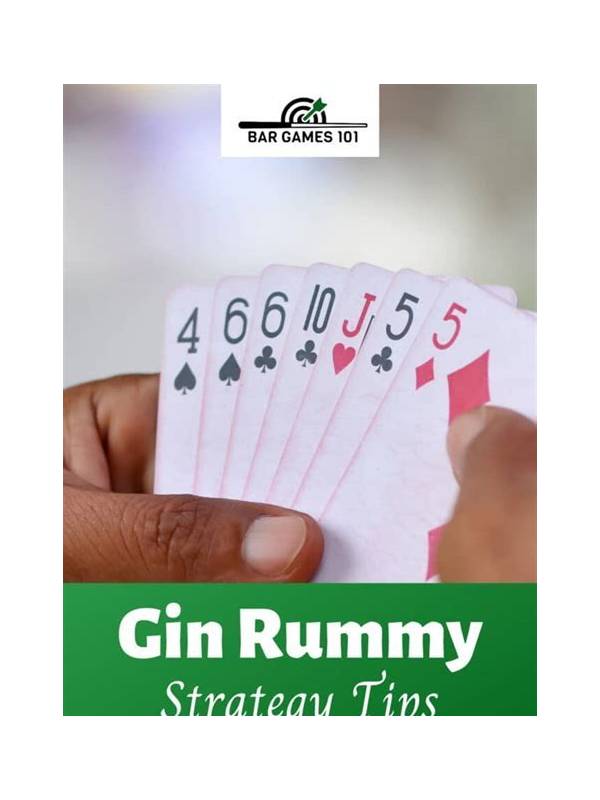
A planned checkpoint helps you decide whether to continue, simplify, or abandon a route before the hand becomes urgent. [...]

Sorting by suit shows sequence relationships, while sorting by role can make decisions and weak cards easier to see. [...]

Three consistent questions can make discards more deliberate without slowing an ordinary turn. [...]
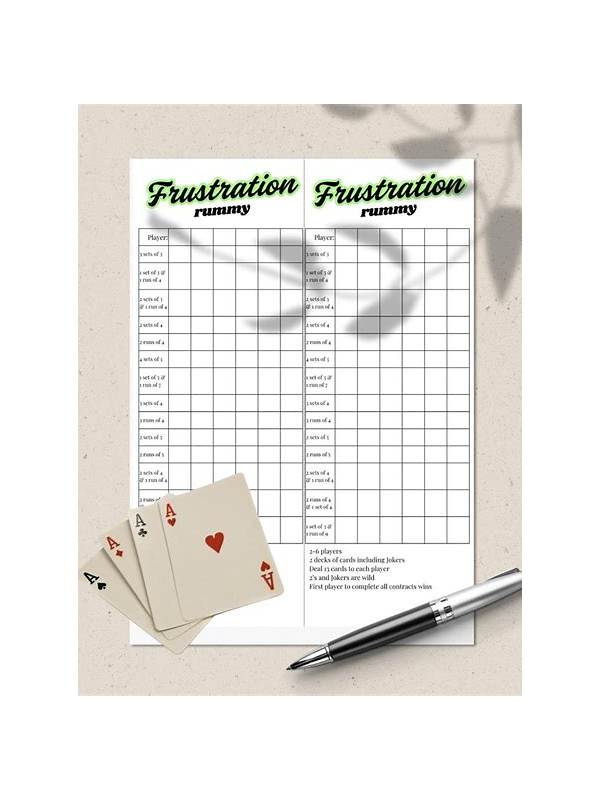
Sorting flexible cards into active routes and reserve options can make changing rummy hands easier to manage. [...]

Comparing equally scored hands helps separate visible points from the quality and flexibility of the underlying structure. [...]
A neutral post-hand review separates decision quality from the random cards that happened to appear. [...]