Rummy Comparison: Short Sequences Versus High-Value Sets Rummy Comparison: Short Sequences Versus High-Value Sets
Comparing flexibility, completion risk, and points clarifies whether a short sequence or a high-value set deserves priority. [...]
Comparing flexibility, completion risk, and points clarifies whether a short sequence or a high-value set deserves priority. [...]

A backup route reduces the damage when a promising rummy sequence stops receiving useful cards. [...]
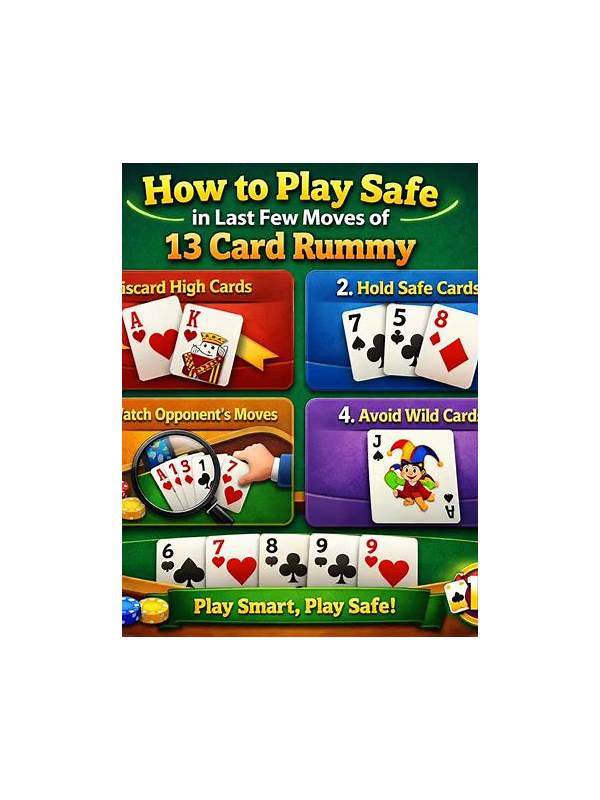
A card can be unlikely to help an opponent and still be a poor discard if it destroys your own options. [...]
Sorting cards by immediate structure, future flexibility, and penalty makes early-turn choices easier to compare. [...]
A simple evidence test helps rummy players avoid building plans around one attractive but weak clue. [...]
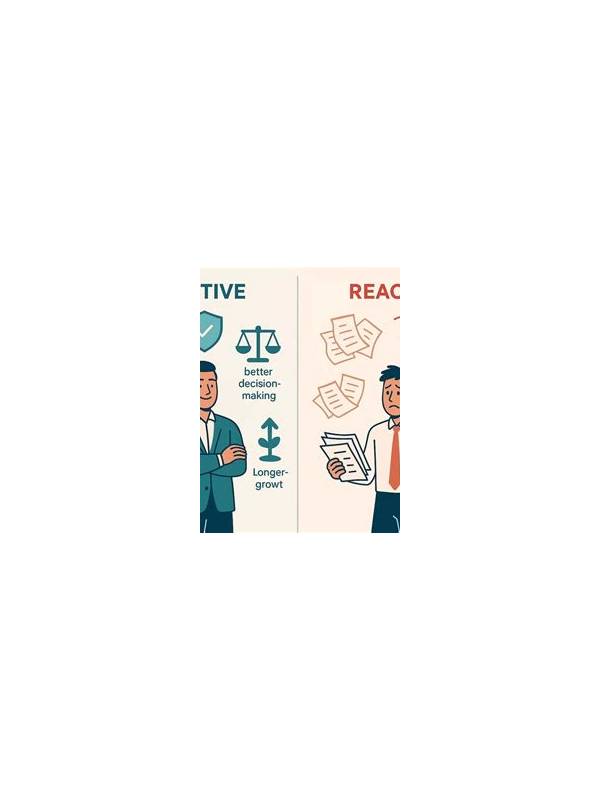
Planned and reactive draws each have a place, but they manage uncertainty in different ways. [...]
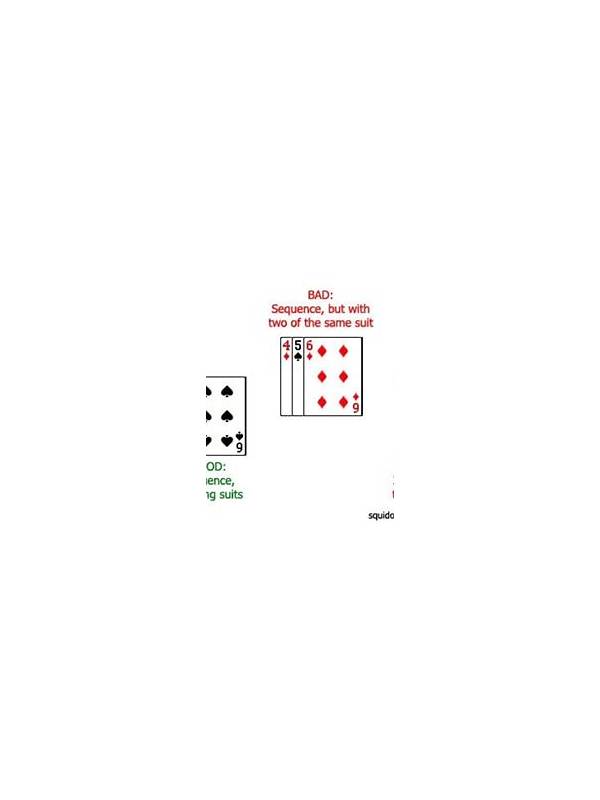
Estimating several possible opponent routes is more reliable than deciding too early that one hidden hand is certain. [...]

A reversible discard leaves enough flexible structure that one later draw can repair the plan. [...]

An expiry point keeps a promising rummy route from consuming the whole hand when improvement does not arrive. [...]

Fake recovery messages often use urgency and requests for codes, so verify the process before responding. [...]