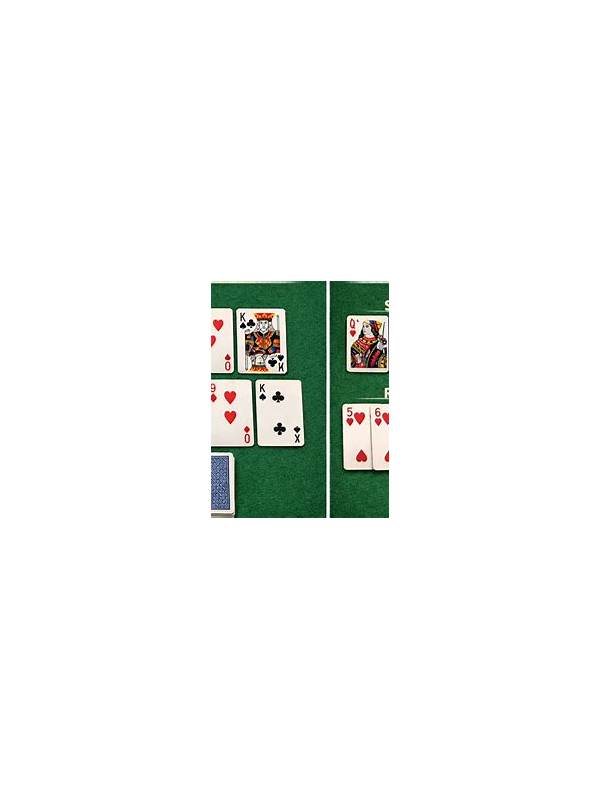
Rummy Comparison: Reactive Play and Planned Play Rummy Comparison: Reactive Play and Planned Play
Planned play gives each turn a purpose, while reactive play can be useful when new information genuinely changes the hand. [...]
Planned play gives each turn a purpose, while reactive play can be useful when new information genuinely changes the hand. [...]
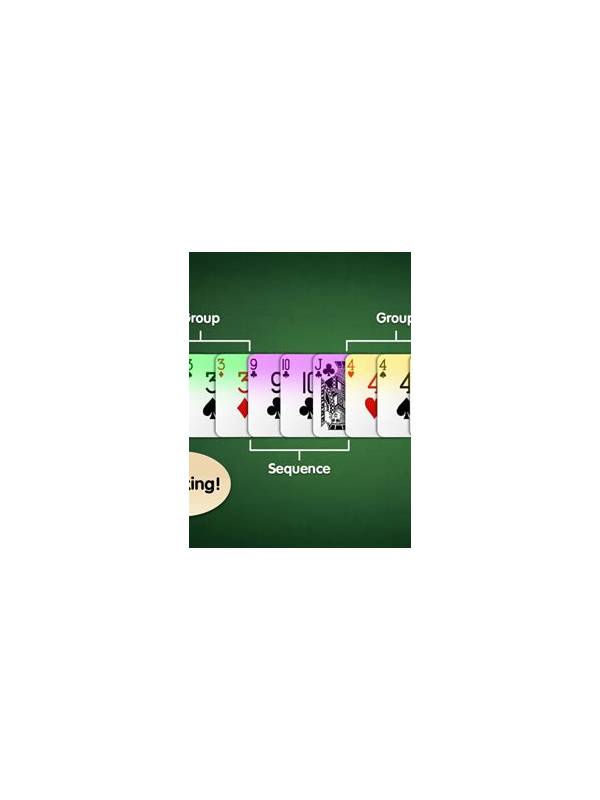
Identifying a card required by too many plans helps you build a backup before one draw controls the entire hand. [...]
A high card carries more penalty in many formats, but its structural role can make keeping it reasonable for a time. [...]
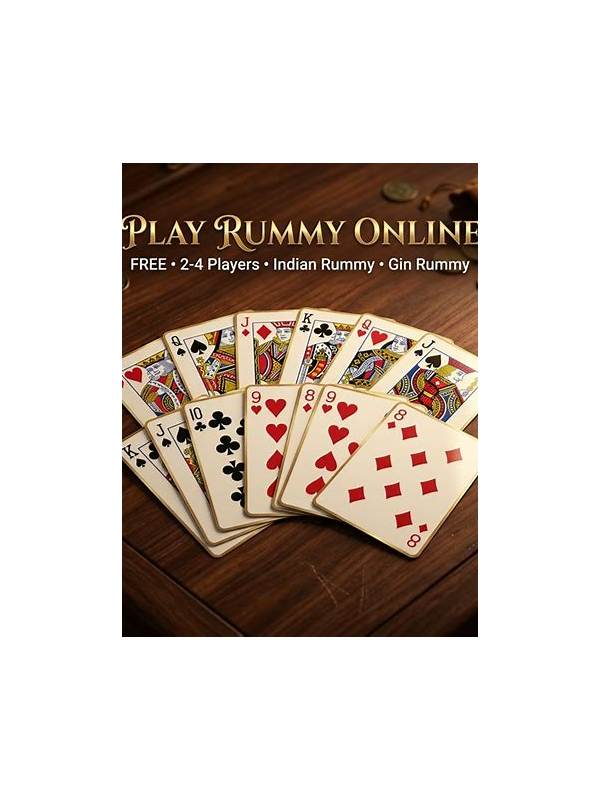
A discard is easier to judge when you compare the value of keeping it with the cards that could replace it. [...]
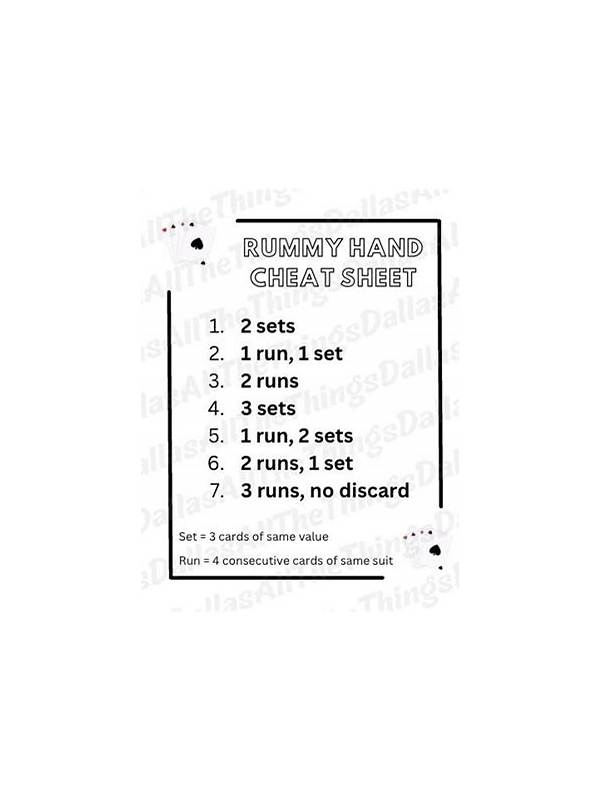
Decision checkpoints turn a finished rummy hand into a useful review of assumptions, choices, and alternatives. [...]
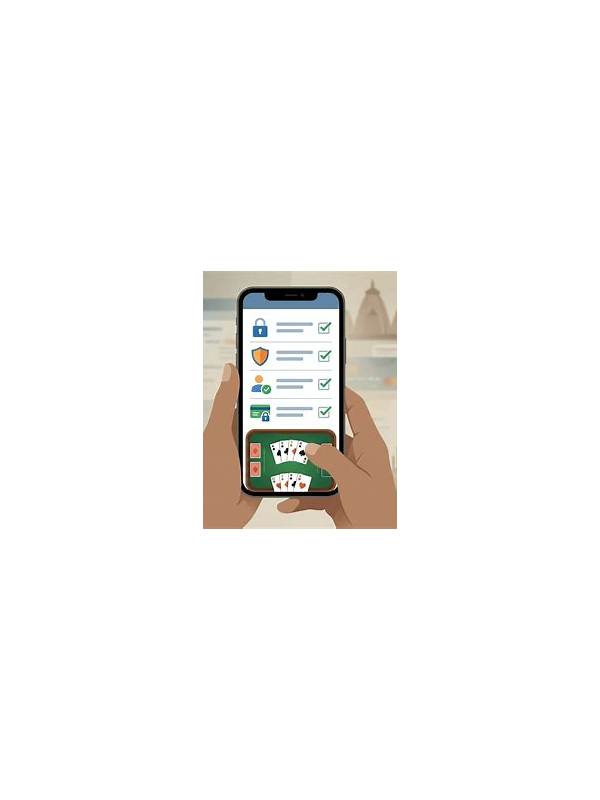
A short device checklist can reduce privacy, distraction, and account-security problems during online play. [...]

Flexible cards can support several routes, but their value depends on timing, rules, and the rest of the hand. [...]
A small decision budget keeps rummy turns focused and prevents endless second-guessing. [...]
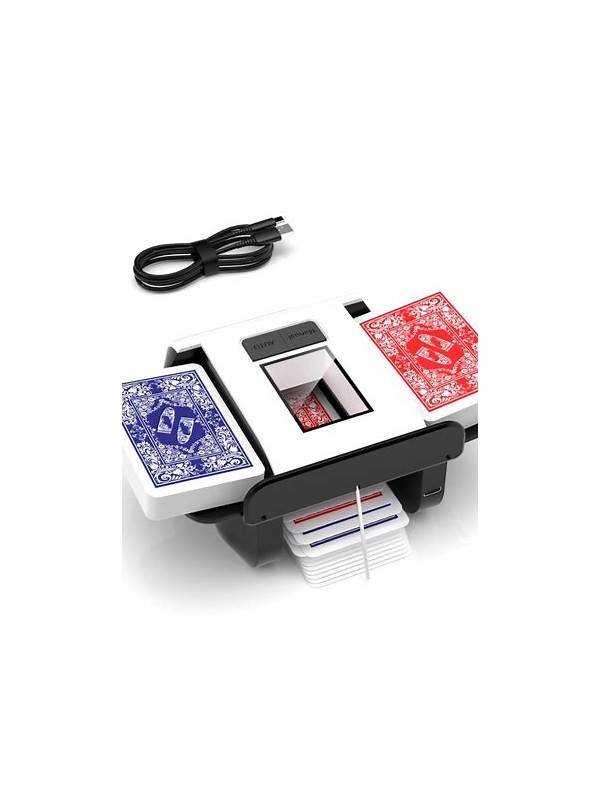
Compare the speed and visibility of automatic layouts with the learning value of sorting cards yourself. [...]
A reset routine helps you recover when an assumption about another player’s cards turns out to be wrong. [...]