
Rummy Comparison: Playing Alone Versus Friendly Practice Rummy Comparison: Playing Alone Versus Friendly Practice
Solo drills and friendly rummy rounds teach different skills, so combining them can create a more balanced practice routine. [...]
Solo drills and friendly rummy rounds teach different skills, so combining them can create a more balanced practice routine. [...]

A favorite suit should remain a working hypothesis, not a permanent commitment when the cards stop supporting it. [...]

A payment confirmation number can help official support trace a transaction, but it should not be posted publicly or shared casually. [...]
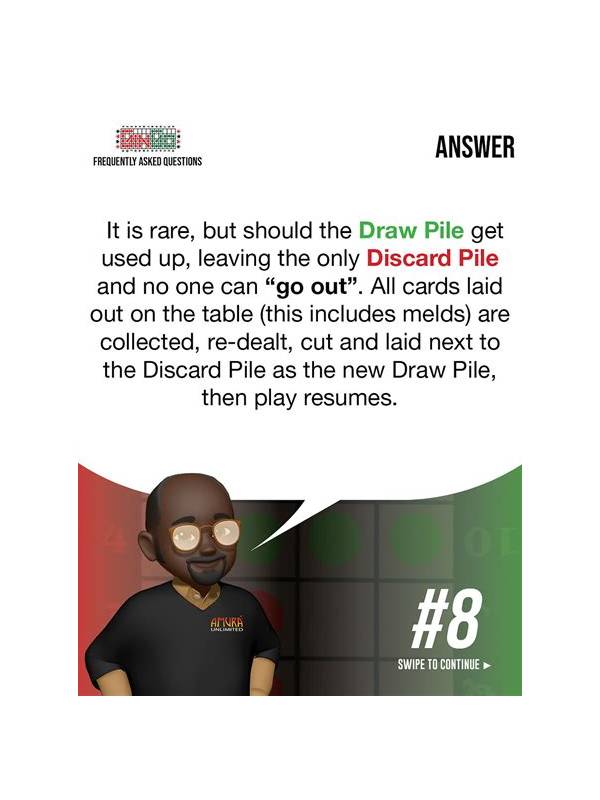
A shrinking draw pile changes the value of patience, information, and penalty control in a rummy hand. [...]
Comparing open-ended and defined draws helps you choose between broad flexibility and a clearer completion target. [...]
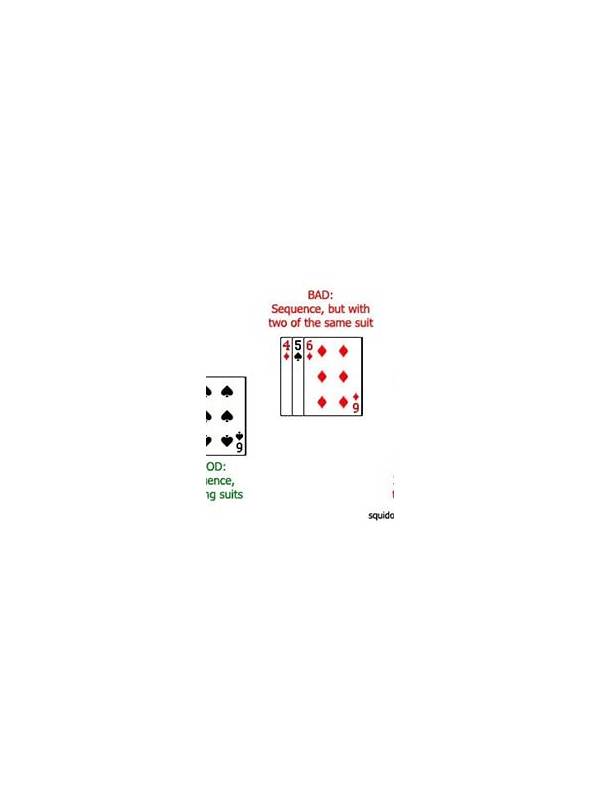
A three-pass review separates legal structure, practical odds, and discard risk before your next rummy turn. [...]

A short update-source audit helps confirm that a rummy app update comes through an official route and has not been replaced by an imitation. [...]
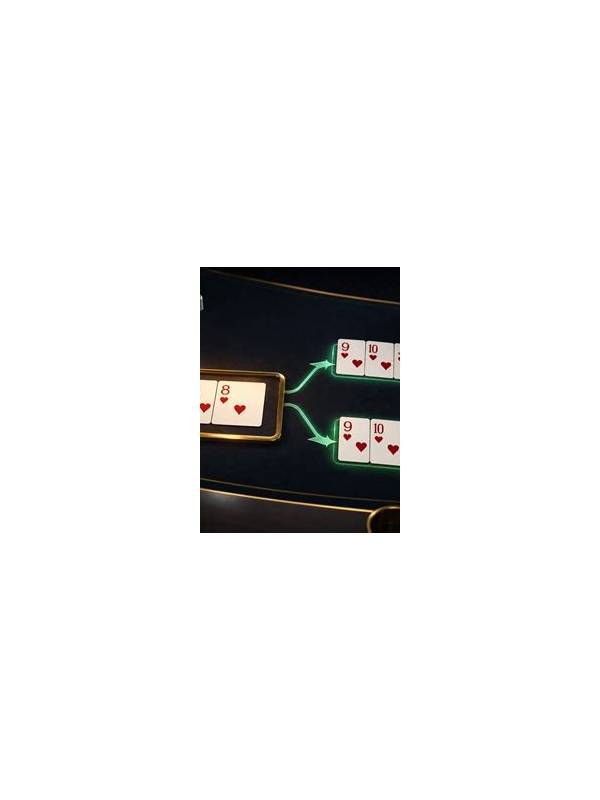
Protect a sequence when it provides legal progress and a reasonable exit, but reconsider it when preserving it blocks a stronger or safer route. [...]

A personal checklist turns recurring review lessons into a short set of cues for future rummy decisions. [...]

Table pace affects available thinking time, so a good routine separates urgent checks from optional analysis. [...]