Rummy FAQ: Why Can a Good Route Become Bad? Rummy FAQ: Why Can a Good Route Become Bad?
A route can lose value when its requirements narrow, its deadline arrives, or it damages the rest of the hand. [...]
A route can lose value when its requirements narrow, its deadline arrives, or it damages the rest of the hand. [...]

Bridge cards connect more than one useful route, while passenger cards occupy space without dependable support. [...]

A card dependency chain shows which improvements must happen before a hand can become legally complete. [...]
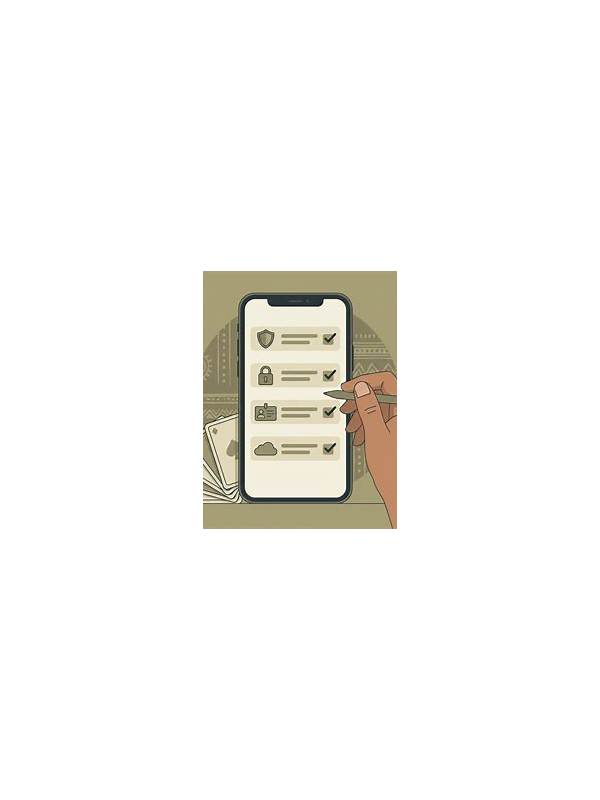
Separating verification from urgency helps players check rules, notices, and account actions without rushing. [...]

Single-route and multi-route hands offer different kinds of stability, flexibility, and recovery. [...]
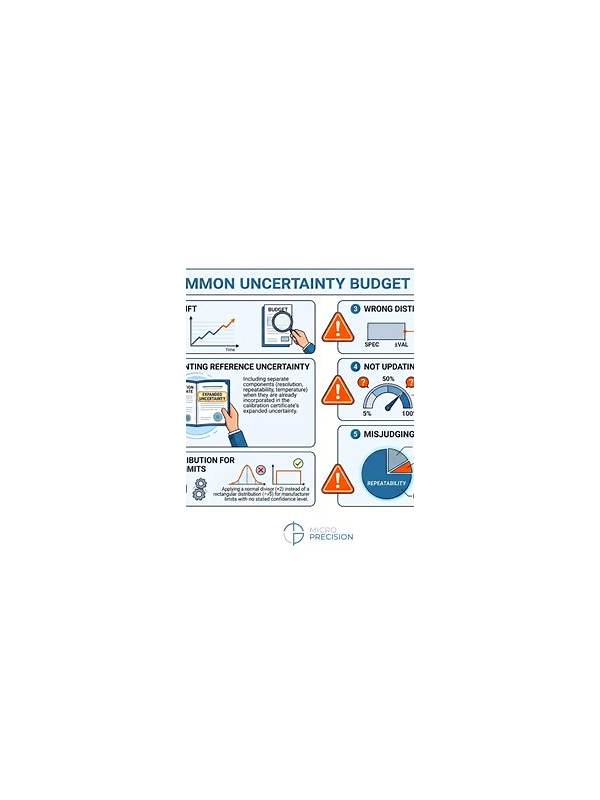
Thinking of uncertainty as a budget helps players avoid carrying too many unconfirmed plans at once. [...]

A brief hand snapshot keeps the current legal structure visible before a player commits to a discard. [...]

A recovery ladder gives a difficult hand several increasingly simple ways to regain structure. [...]

A card is dead for your hand when it has no credible route, but that judgment should account for timing, rules, and recovery. [...]
Legal flexibility is useful only when it supports realistic completions, so learn how to preserve it without hoarding every possible connector. [...]