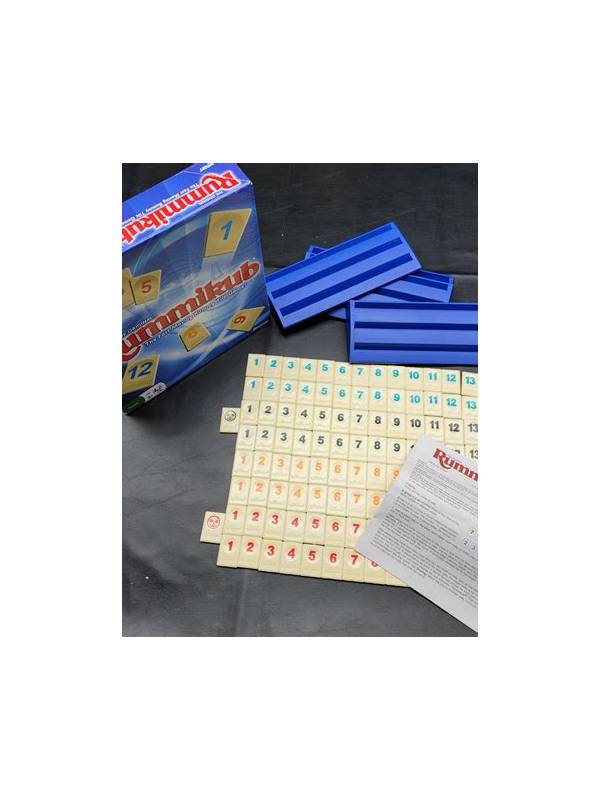
Rummy Practice: Find Your Shuffle Blind Spots
Players often practice the patterns they already recognize. A better drill deliberately searches for blind spots: cards you overlook when they are separated, groups that look attractive but are illegal, or single cards that quietly support two routes. You can perform the exercise with a physical deck or written examples.
Prepare several legal hands with different shapes. Include one hand with an obvious sequence, one with multiple pairs, one with a flexible connector, and one with several high-point loose cards. Shuffle the order of each hand while keeping the cards unchanged. Your task is to identify the best first observation, not to announce a final move immediately.
For every hand, write three items: a confirmed group, a promising but unconfirmed group, and a card that needs a release condition. Then rearrange the same cards in a different order and repeat. If your answer changes only because the display changed, you have found a presentation blind spot.
Add a legality check. Ask whether your proposed group follows the format’s sequence, suit, and joker rules. Many practice errors come from mentally completing a pattern before verifying its exact membership. A separate legality step trains you to distinguish recognition from proof.
After the drill, compare notes. Look for repeated misses: perhaps you ignore low cards, overvalue adjacent ranks, or fail to see a set when a sequence is more visually obvious. Choose one blind spot for the next practice session. Do not try to correct everything at once.
Keep the drill low pressure. It is designed to improve observation, not to predict a result or encourage longer play. Ten focused minutes with a neutral review can teach more than a rushed series of live hands. The goal is a stable method that works when the cards arrive in an inconvenient order.
You can vary the drill by changing only the display conditions. Read the same hand from left to right, then from right to left, or place the cards in a loose fan instead of neat groups. Another useful variation is a deliberate distraction: glance at a neutral timer, return to the hand, and check whether your classification changed. Do not use a live money table for this experiment. The purpose is to discover how attention behaves, not to create pressure. Keep a dated list of the errors you actually made, and remove a category once it stops recurring. That keeps practice focused and prevents a useful drill from turning into an endless catalogue of possible mistakes.
Related Post
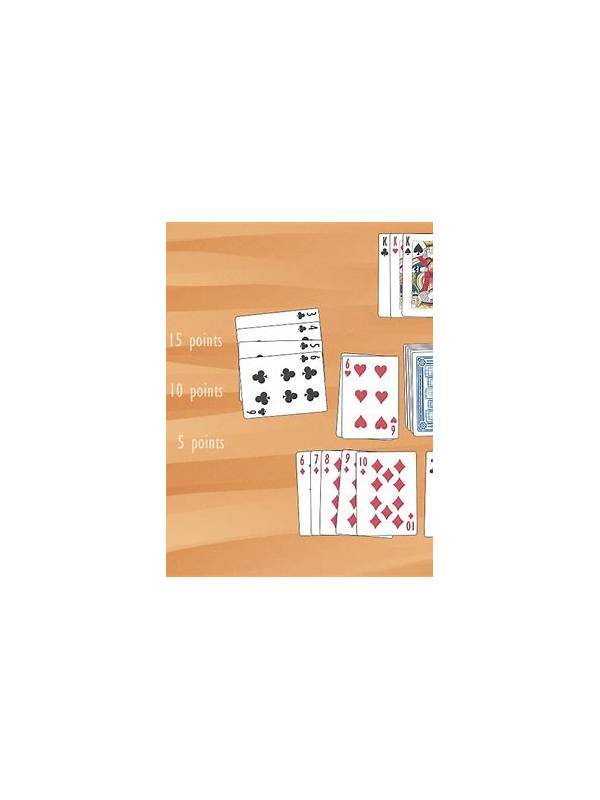
Rummy Guide: Use a Constraint Ladder for Difficult Discards
A constraint ladder ranks the reasons to keep or discard a card when several choices [...]
Rummy Strategy Comparison: Flexible Middle Cards vs High Singles
Comparing flexible middle cards with isolated high cards clarifies what each card can contribute to [...]