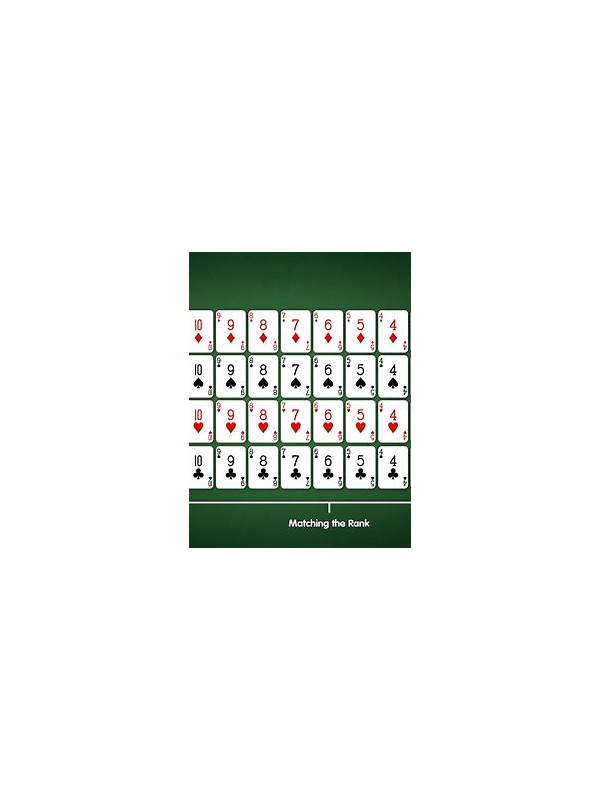
Rummy Comparison: Immediate Points Versus Future Flexibility
Many rummy decisions are framed as a choice between reducing points now and preserving a future possibility. Neither principle is always superior. The better choice depends on the quality of the future route, the format’s scoring, and how easily the hand can recover if the draw misses.
The case for immediate points
Removing a high, isolated card lowers potential damage and can simplify the hand. This is especially valuable when the card has no neighboring rank, no set support, and no clear role. Immediate reduction is also useful when a declaration may arrive soon and the remaining loose cards would be costly.
The case for flexibility
Flexibility matters when a card supports several realistic structures. A low or middle card may connect to more than one route, and discarding it could leave only narrow draws. But flexibility is valuable only when the alternatives are genuine. A card that can theoretically join four groups but currently fits none may be less useful than it appears.
Compare the replacement
Do not compare points and flexibility in isolation. Put the candidate discard beside the card you would keep instead. Ask which choice creates more useful next draws, which one gives a clearer release, and which one reveals less to opponents. The comparison should include what the hand looks like after the action, not just the card’s printed value.
Use the format’s objective
In a points-focused format, protecting the score may deserve more weight. In a short race to a valid declaration, preserving a necessary pure sequence may matter more. The same starting hand can justify different choices under different rules. Confirm the format before applying a familiar personal guideline.
Decide with a tie-breaker
When both choices remain close, use a stable tie-breaker: preserve a required structure, discard the more isolated card, or choose the route that is easiest to review later. A consistent tie-breaker reduces emotional switching and creates better evidence for future practice.
The goal is not to eliminate uncertainty. It is to make the trade-off visible, choose deliberately, and update when the next card provides new information.
To keep the comparison honest, write a one-line forecast for each choice. State what you expect the hand to look like after one ordinary draw, not after the perfect draw. If the forecast depends on an exact card, mark it as narrow. If it preserves two workable continuations, mark it as flexible. These labels are reminders, not predictions, and should be revised as public cards change.
Related Post
Rummy Guide: Compare Cards by Recovery Cost
Recovery cost measures how difficult it would be to rebuild your hand after releasing a [...]
Rummy FAQ: Why Does a Hand Need a Bottleneck Review?
A bottleneck review identifies the one requirement most likely to delay an otherwise promising rummy [...]