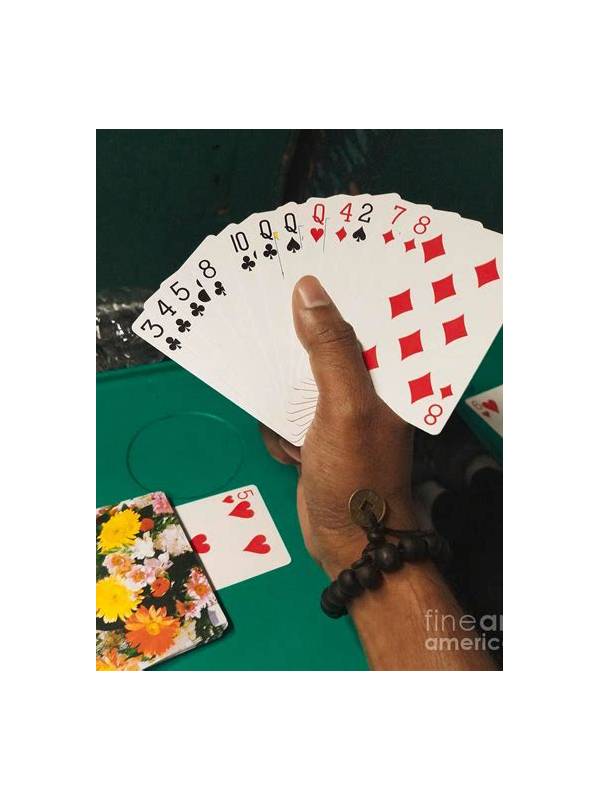
Rummy Tips: Use the First Useful Card, Not the First Interesting Card
Some draws attract attention because they create a colorful possibility: a pair, a near-run, or a card that could fit several imagined groups. Interest is not the same as usefulness. A useful card improves a route you can explain and preserves enough flexibility for the next decision.
When a card arrives, state its effect in one sentence. “It completes a valid sequence” is clear. “It might become useful if two specific cards arrive” is a narrow prospect. “It gives me another pair” may be neutral until you know whether the pair has a realistic role. This language keeps excitement from being mistaken for progress.
Compare the new card with the cards it would force you to keep. A low-point card that supports two routes may be worth holding. A high-point card that supports one unlikely route may not be. Also check whether the card displaces a secure group or a flexible connector. Improvement should be measured across the hand, not in isolation.
The first useful card may be a defensive one. It can remove a dangerous high card, protect a required sequence, or make your next discard clearer. Do not dismiss these gains because they do not look like a new meld. Reducing uncertainty is a form of progress, especially when the hand is still early.
Practice by reviewing five ordinary draws without looking at the final result. For each one, write what you believed the card improved at that moment. Later, compare the explanation with the route that actually remained available. The exercise teaches you to reward sound information and structure, rather than the emotional lift produced by an interesting card. Interesting cards often arrive after a long quiet stretch, so the contrast can be misleading. A draw that finally changes the hand may feel more valuable simply because it ends boredom. Pause before acting and compare it with the card you would discard. If it improves one group but makes the discard worse, the net result may be small. You can also ask whether you would choose the same hold if the card had arrived two turns earlier. That counterfactual removes some of the excitement created by timing. If the card still looks valuable after the excitement fades, keep it for a stated reason. If you cannot name the reason, treat that as information and reconsider the hold. Clear language makes later review much easier.
This method also protects against a misleading win. Sometimes an interesting card completes a route by chance, but the decision was still narrow when made. Judge the quality of the choice from the information available before the outcome. That distinction helps you repeat sound habits without learning that every lucky draw deserves another chase.
Related Post

Rummy Safety: Check Permissions After Installing a Game App
Reviewing app permissions after installation can reveal unnecessary access and improve control over personal information. [...]
Rummy How-To: Use a Simple Hand Strength Scale
A five-level hand scale helps players make consistent choices as a rummy round changes. [...]