Rummy FAQ: Why Can an Apparently Complete Hand Fail?

Why can a hand that looks complete fail?
Visual order is not the same as a legal arrangement. A hand can contain attractive runs and groups while missing a required pure sequence, using a duplicate card incorrectly, or leaving one card outside every valid combination. Before declaring, evaluate the rules of the specific table and test every card rather than relying on how tidy the rows look.
What is the first check?
Find the required pure sequence first. A pure sequence is normally a consecutive run from the same suit without a joker substituting for a missing card, but exact rules can vary. Mark the cards that definitely form that sequence and do not borrow one of them for another group during the review. Once the required foundation is secure, examine the remaining cards.
Can a second sequence be hidden inside a group?
No. A group of equal ranks and a same-suit run use different relationships. Three queens of different suits may be a valid group under common rules, but they do not become a sequence simply because they are arranged neatly. Likewise, two suited cards that are close together may still need a third card to qualify as a run.
What role does a joker play?
A joker can often complete a sequence or group, yet it may not replace the pure-sequence requirement. It is also easy to use one joker in two mental combinations at once. Physically or digitally separate each candidate meld and count each card only once. If moving a joker makes another group collapse, the declaration was not fully checked.
How should I audit the last card?
Start with the cards you have already assigned. Then ask, “Where is this remaining card?” If it is not part of a valid group or sequence, the hand is unfinished even if every other row looks strong. Also check whether a sequence is actually consecutive; an ace may be low or high only according to the table’s rules, and it is not automatically allowed to bridge the ends.
What should I do before pressing declare?
Pause for a complete recount. Confirm the required pure sequence, confirm any additional requirement, verify that no card is duplicated across melds, and read the table’s validation message if one appears. If the interface offers a practice or arrange view, use it before the final action. A ten-second rules check is more reliable than confidence based on appearance.
Related Post
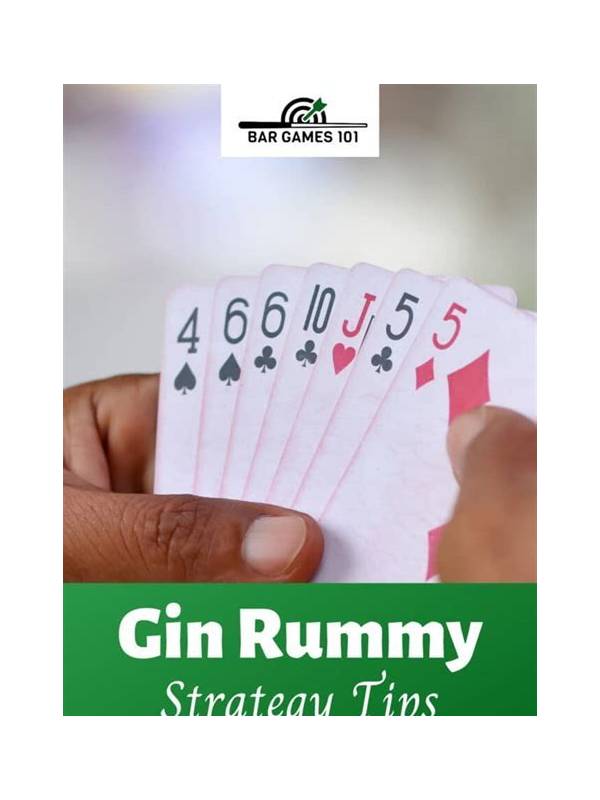
Rummy Strategy: Protect a Requirement Before Chasing a Bonus
A required combination should usually guide the hand before an attractive optional improvement. [...]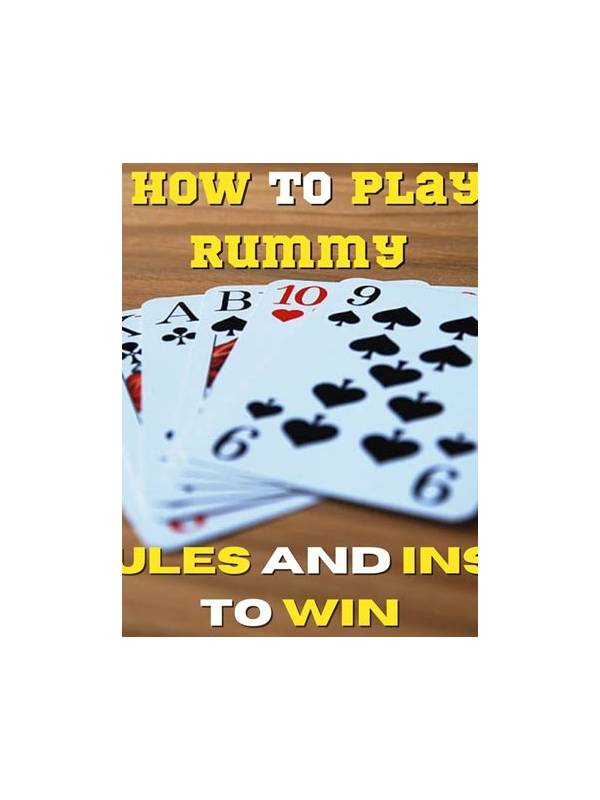
Rummy Guide: Turn Card Gaps Into Clear Questions
A question-based gap review helps you decide which missing cards deserve attention and which should [...]