Rummy Guide: Set a Stop-Loss for Attention, Not Just Money

People often think of a stop-loss only as a money limit, but attention is another resource that can run out. A tired player may miss a suit symbol, forget a visible discard, or tap through a confirmation without reading it. These errors can occur during free practice as well as paid play. Setting an attention boundary makes the session safer and more deliberate.
Choose signals you can observe. Examples include misreading the same rank twice, needing to reread the table rules, losing track of whose turn it is, or feeling a strong urge to recover a recent mistake immediately. Pick one or two signals before you start. Do not wait until fatigue is severe, because judgment is already weaker by then.
Pair the signal with an action. A useful rule might be: after two avoidable reading errors, finish the current permitted action and stop; after a strong emotional reaction, take a ten-minute break before deciding whether to return. The action should be specific enough that you do not have to debate it in the moment. If the table does not allow a clean exit, follow its normal process and do not begin another round.
Keep the attention boundary separate from performance. You may be playing well and still be too tired to continue safely. You may also be losing without being tired. The purpose is to protect decision quality, not to punish a result or force a win. Record the trigger in a note if that helps you follow it consistently.
A break should restore more than the desire to continue. Stand up, look away from the screen, drink water, and check whether you can explain the last few decisions calmly. If the first thought after the break is still “I must fix that result,” the break has not solved the pressure. End the session and review later.
After several sessions, adjust the boundary based on evidence. If you repeatedly reach the limit at the same time of day, shorten future sessions or move them. If a signal rarely appears but another one predicts errors better, replace it. An attention stop-loss is a flexible safety tool: it helps you leave while choice is still clear, not after exhaustion has made the choice for you.
Related Post
Rummy How-To: Audit a Session for Rule Misunderstandings
A short post-session audit can separate a strategic error from a misunderstanding of the table’s [...]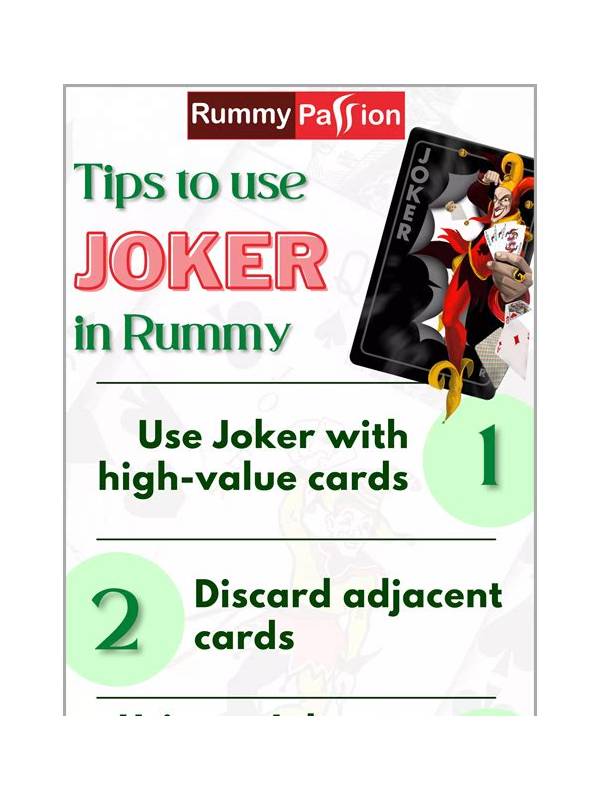
Rummy FAQ: Can a Joker Solve Every Hand Problem?
This FAQ explains why a joker is flexible but cannot replace a complete hand plan. [...]