How to Set a Responsible Rummy Session Limit
A session limit works best when it is chosen before the first game, while your attention is calm. Waiting until you are tired, excited, or trying to recover a loss makes the boundary much harder to follow. A limit should cover time, spending, and the number of games you intend to play.
Start with time. Choose an end point that fits your day, then set a device reminder for a few minutes before it. Include time for breaks and for closing the session; a game that runs long should not automatically extend the entire plan. If you notice yourself ignoring reminders, use a stronger external boundary such as a calendar event or a family commitment.
Make the limit observable. A written start time and end time are more useful than a vague intention to play briefly. Tell yourself what action ends the session: leave the table, sign out, or put the device away. Removing the next decision from the final minute makes the boundary easier to follow when the game is engaging.
Set a money boundary separately. Only use an amount you can afford to lose, and never treat essential expenses, borrowed money, or emergency funds as a playing budget. If a platform offers separate balance controls, use them before entering a table. Avoid making a new deposit simply because the original limit has been reached.
Define a game boundary too. A fixed number of hands or a short review block may be easier to follow than an open-ended promise to stop soon. Include a stop rule for emotional conditions: if you feel rushed, angry, or focused on recovering a previous result, end the session regardless of the remaining games.
Write the limits down in plain language. For example: “I will play for 45 minutes, use no more than my planned budget, and stop after the reminder.” A visible statement reduces the chance that you will renegotiate with yourself after a disappointing hand. Do not confuse a win with permission to extend the limit; the boundary is about behavior, not the result.
Review the plan after the session. Did you stop on time? Did you keep the spending boundary? Were breaks long enough? Adjust the next plan based on evidence, not on a desire to chase a better outcome. If the limits are repeatedly difficult to maintain, take a longer break and use available blocking or account-control tools.
Responsible play is a habit of keeping the game inside its place in your day and budget. A clear limit, an independent reminder, and a willingness to stop when the plan says so provide a simple structure for safer sessions.
Related Post
Rummy Comparison: Manual Sorting Versus Automatic Card Layouts
Manual and automatic card sorting each have strengths, and the best choice depends on how [...]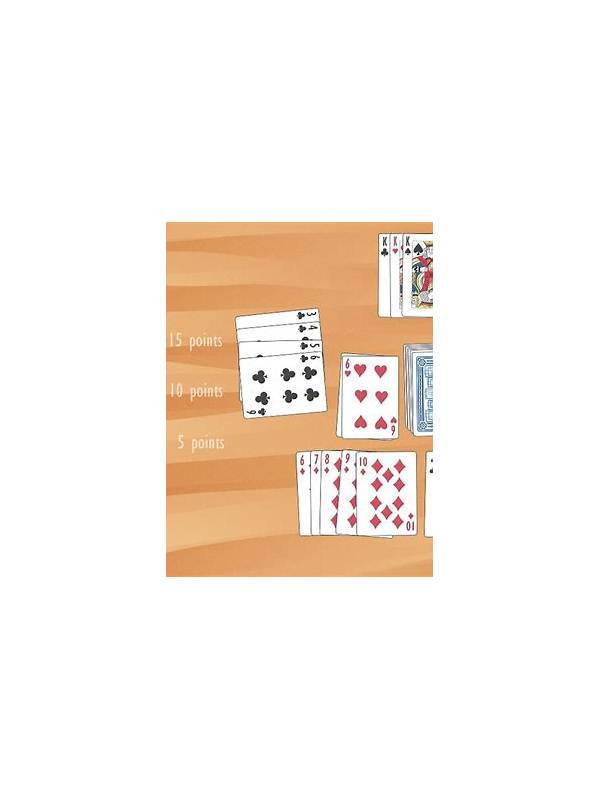
Rummy Guide: Choose a Tie-Breaker for Equal Discards
A consistent tie-breaker turns two similarly weak discard options into a quick and explainable decision. [...]