Rummy Comparison: Short Plans and Long Plans
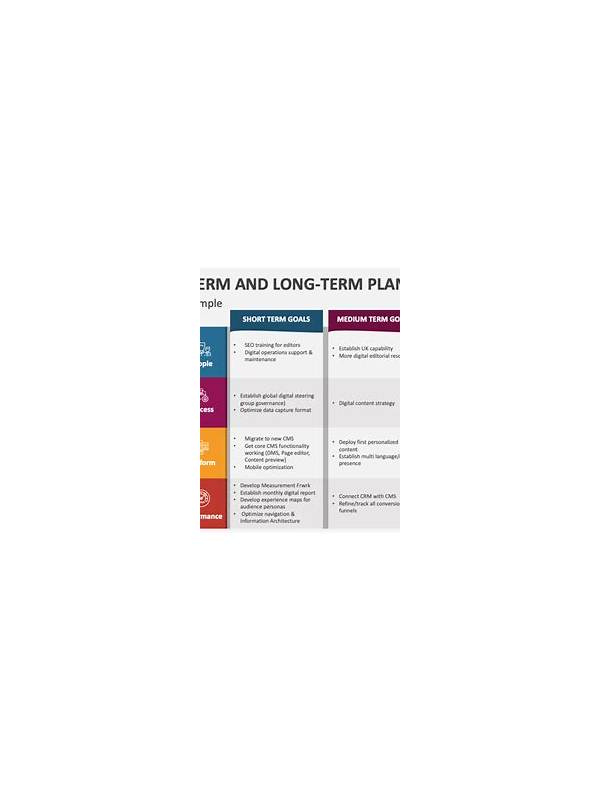
A short plan describes the next useful improvement: complete this pair, test that discard, or protect one sequence. A long plan describes the hand’s intended final structure. Both are valuable, but using the wrong one at the wrong time creates confusion.
At the start, use a long plan lightly. You may see two possible sequences and a potential set, but the evidence is weak. Keep a broad destination while using short plans to sort the hand. For example, “keep this connected pair for one more turn” is a short plan; “this pair must become the final sequence” is an unnecessarily rigid long plan.
In the middle, connect the two levels. Choose a preferred structure and identify the next test that would strengthen it. If the draw improves the preferred route, continue. If it does not, compare the backup route instead of repeating the same hope. This keeps the long plan useful without turning it into an emotional commitment.
Near the end, short plans should become more concrete. “I want a better hand” is too vague. “I need a pure sequence and must reduce this high card” is actionable. A long plan that requires several perfect draws should be replaced by the simplest valid arrangement available. Completion is often more important than elegance when the clock is short.
Review the plans after a major event: a useful visible discard, an opponent’s take, a completed group, or a failed draw. Small changes do not always require a complete rebuild. Ask whether the next short step still supports the long structure. If not, change the structure deliberately and identify the new step.
This comparison is useful away from the table too. In practice, keep a short plan for each drill and a long plan for the skill you are building, such as recognizing flexible cards. Separating immediate action from overall direction makes both the game and the review easier to understand.
One warning: a long plan should never become a promise to the cards. The deck does not owe a route completion, and an opponent may remove a key option. Treat the long plan as a current hypothesis. When evidence changes, changing it is a sign of attention, not inconsistency. The short plan then gives you a safe next action while the larger structure is rebuilt.
Writing the two plans in separate lines during practice makes this distinction visible. Cross out the long plan when it stops fitting, but keep the short action that led to the change. That record shows whether you adapted early or waited until the hand forced you to react.
Related Post

Rummy Tips: Use a Failed Combination as a Boundary
A failed combination can define what not to pursue and make later choices more disciplined. [...]
Rummy Safety: Check Breaks and Notifications Before Play
A quick device and environment check can prevent avoidable interruptions during an online rummy session. [...]