Rummy Table Selection: Match Format to Your Attention
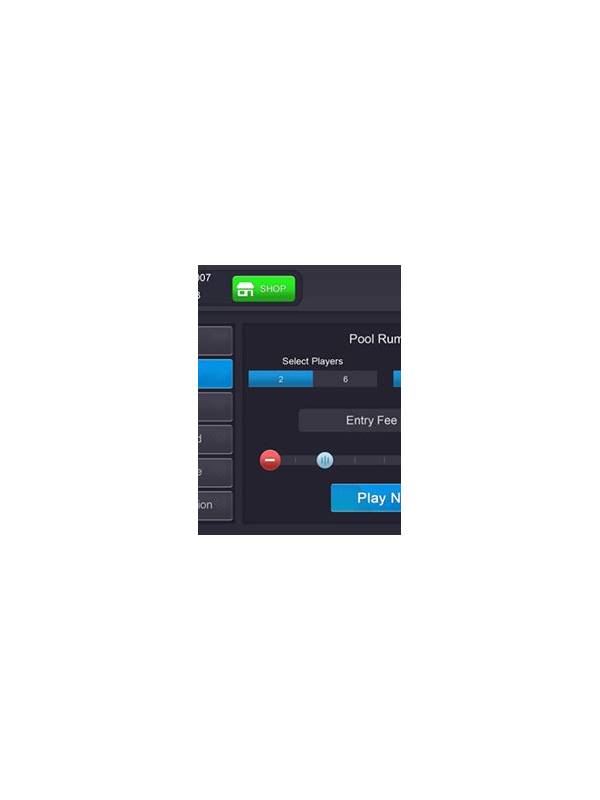
Your best table can change from day to day. A pace that feels comfortable after rest may feel demanding late at night, and a format suitable for learning may not suit a short break. Match the table to the purpose of the session, not to a promotion or a previous result. If no table passes the filter, waiting is a valid selection. Save unfamiliar formats for a time when you can read their rules without pressure. Your best table can change from day to day. A pace that feels comfortable after rest may feel demanding late at night, and a format suitable for learning may not suit a short break. Match the table to the purpose of the session, not to a promotion or a previous result. If no table passes the filter, waiting is a valid selection.
Table selection is part of preparation. A format may be familiar, but its pace or entry conditions may not suit the time and attention you have today. Choosing deliberately can prevent avoidable pressure and make the game easier to follow.
Read the table label and rule summary first. Confirm the format, hand size, scoring method, and whether the table is practice or live. Then check the turn timer. A fast table may reward quick visual processing, while a slower one can give beginners more time to verify suits, ranks, and the intended discard.
Consider your environment. If you are travelling, interrupted, or using a weak connection, a live table may be a poor match. Choose practice mode or wait. Similarly, do not join a table whose entry amount exceeds the entertainment budget you set before opening the app.
Look for practical controls. Can you see the rules, leave the table, review game history, and contact support? Are responsible-play limits available? Clear controls are useful even when everything is going well. A polished design or prominent promotion is not evidence that a table is suitable.
Use a simple selection filter: known rules, comfortable pace, stable device, and acceptable cost. If any answer is no, choose another table or postpone the session. This is not a prediction about who will win; it is a check that the conditions fit your purpose.
Good table selection makes later decisions less hurried. It also keeps curiosity about a new format separate from pressure to play immediately. A few seconds spent reading the table can save confusion throughout the hand.
Related Post
Rummy How-To: Review a Hand From the Opponent’s View
Considering what your visible actions communicate can improve discard choices without pretending to know an [...]
Rummy FAQ: Why Does a Hand Need a Bottleneck Review?
A bottleneck review identifies the one requirement most likely to delay an otherwise promising rummy [...]