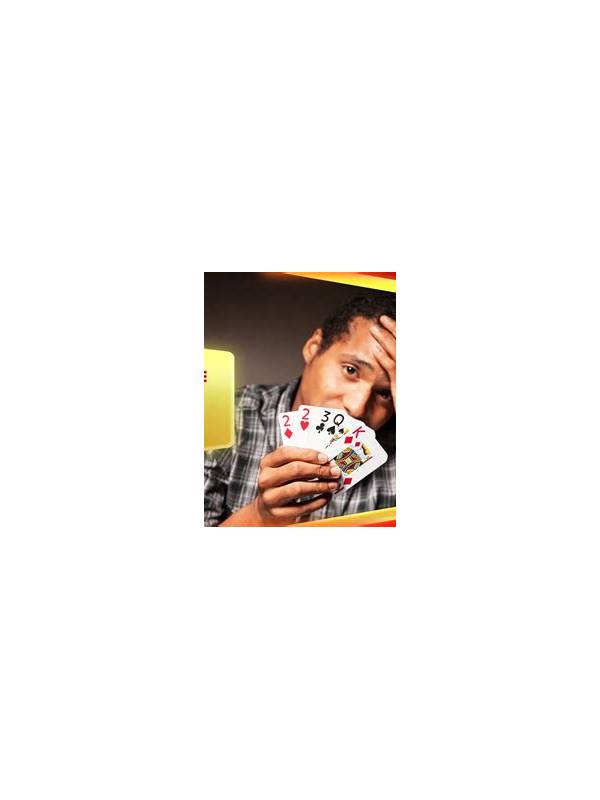
Rummy Safety: Keep Payment Decisions Outside the Table
Game urgency can make a payment decision feel like part of a rummy move. A player may think an extra deposit will repair a session, unlock a chance, or prevent a missed opportunity. Keeping payment decisions outside the table creates a useful separation between playing and spending.
Set a spending boundary before opening a game. The boundary should be an amount you can afford to lose without affecting essential expenses, and it should apply to the entire session or chosen period. Do not define it as the amount needed to recover a previous result. Recovery-based limits tend to move whenever the result changes.
Use a waiting rule for any additional payment. A short pause, closing the table, or reviewing the account away from the game can interrupt urgency. During the pause, ask whether the payment was planned, whether the terms are clear, and whether you would make the same choice tomorrow. If the answer depends on winning the next hand, wait longer and do not deposit.
Keep the app’s promotional language separate from your budget. Bonuses, countdowns, and limited-time messages may be designed to create speed, but they do not change what you can safely spend. Read the applicable terms through the official channel and verify any restrictions before making a decision. Never provide payment details through an untrusted link or to a person who pressures you privately.
Record deposits and withdrawals independently from game notes. A playing journal should help you review decisions; it should not become an argument for more spending. Financial records should show actual amounts and dates so that a hopeful interpretation cannot hide the total. If the numbers are difficult to view, take that as a signal to pause.
A safety boundary should include a response to pressure. If a message, player, or interface urges immediate payment, exit the prompt and verify the situation later through a trusted official route. Do not chase losses, borrow to continue, or treat a payment as a strategy for changing an uncertain result. If spending feels difficult to control, stop and seek support from someone you trust or an appropriate local service.
Separating payment decisions from play protects both. Rummy decisions can stay focused on cards and rules, while spending decisions receive the time and distance they require. Control is strongest when it is designed before urgency appears.
If the separation becomes difficult, treat that difficulty as meaningful information. Pause the session, secure the account, and revisit play only after spending feels deliberate and independent of the last result.
Related Post
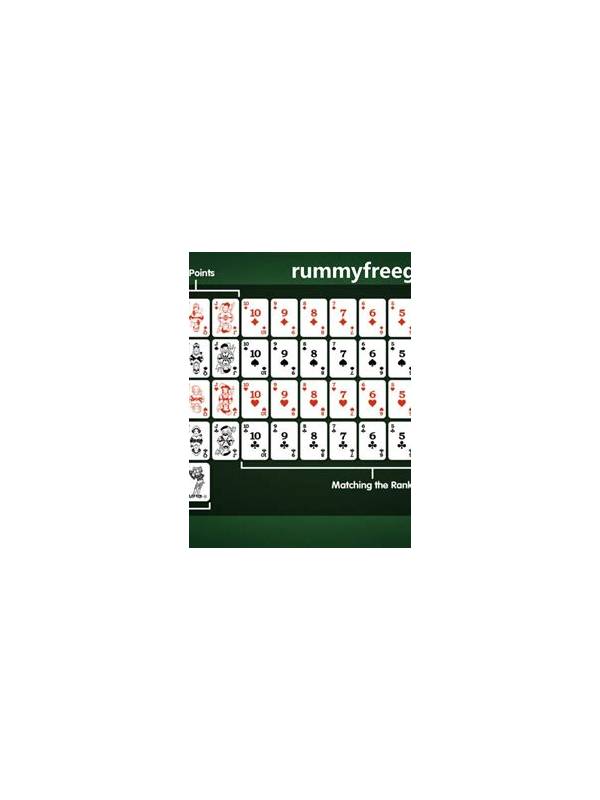
Rummy How-To: Prepare a Clear Table View Before Playing
A clear visual layout reduces avoidable errors when sorting and comparing cards on a small [...]
How to Label Rummy Cards by Role During Practice
A role-based card labeling exercise can make rummy hand analysis faster and more accurate. [...]