Rummy How-To: Test a Route With a Counterfactual Discard
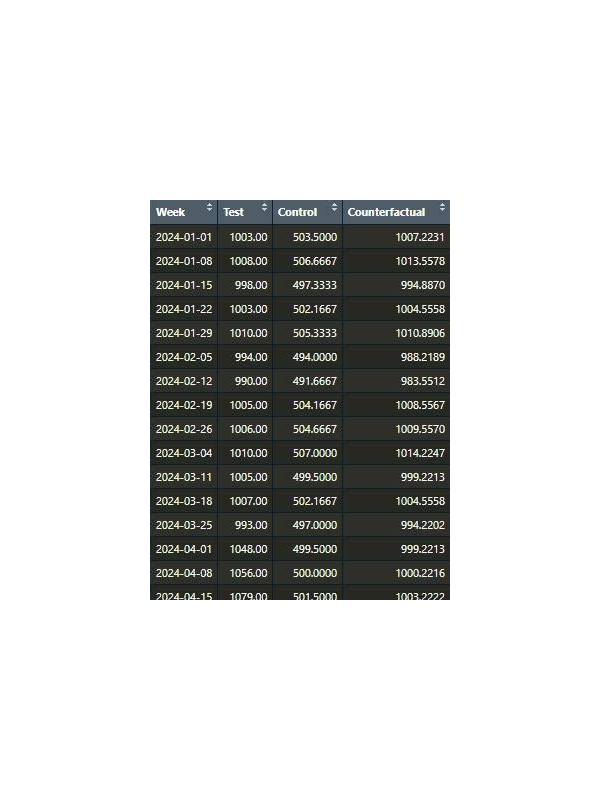
A route can appear strong because one card seems to belong everywhere. To test whether that strength is real, imagine discarding the key card. This counterfactual removes the card from the plan and shows what remains if the hoped-for connection never arrives.
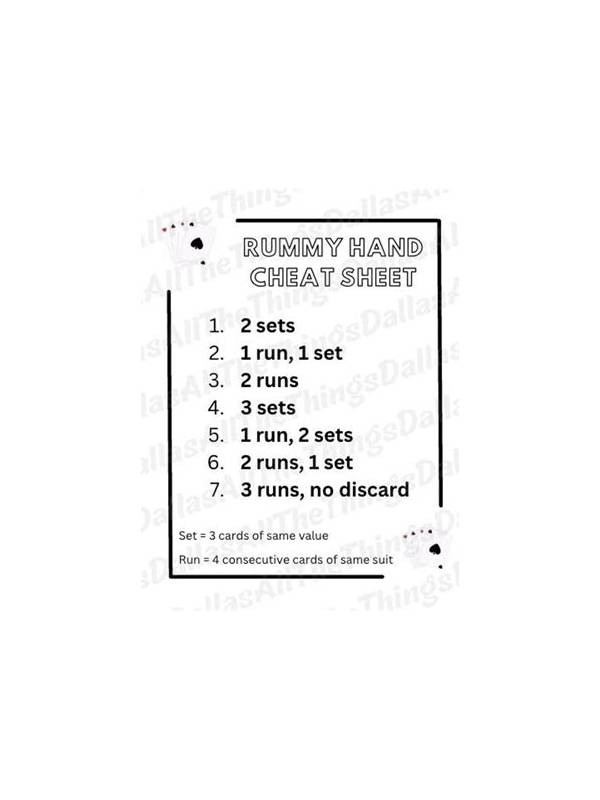
Choose the card that seems most important to your current arrangement. Remove it mentally and regroup the rest of the hand. Can you still form a legal meld, keep a backup pair, or identify a safe discard? If the hand collapses completely, the route is highly dependent. That may be acceptable late in a hand, but early it deserves caution.
Repeat the test with a second important card if time permits. Compare how many workable structures survive. A stable route often leaves one or two useful groups even after its best connector disappears. A fragile route leaves scattered cards and forces a desperate search. You are not calculating exact probabilities; you are measuring structural resilience.
The test is also useful when taking an open discard. If the card is the only reason to choose that discard, ask what happens if another player needs it or if the next draw does not cooperate. This can reveal that the card is merely interesting rather than essential. Conversely, if removing it still leaves a strong alternative, you may prefer a quieter draw that keeps information hidden.
Use timing and scoring to interpret the result. Early, prefer routes that survive the counterfactual unless the fragile route has an exceptional payoff and acceptable exits. Middle-game choices can accept more dependence when the route also reduces penalty or satisfies an important requirement. Late, a fragile route may be correct if it is the only legal path and the remaining risk is understood.
Do not let the test become an excuse to avoid commitment. Every finish eventually depends on specific cards. The goal is to know when dependence is deliberate and when it is accidental. Once you choose a narrow route, monitor it honestly and set a switch point for abandoning it.
During review, record which card failed the counterfactual test and whether you knew that at the time. This builds awareness of hidden bottlenecks. A simple mental removal can turn a vague feeling of promise into a concrete description of what the hand can survive.
When practicing, say the counterfactual aloud: “If this card disappears, I still have…” Completing that sentence forces you to name the surviving structure instead of relying on a general feeling of strength. With repetition, the test becomes nearly instantaneous.
Related Post
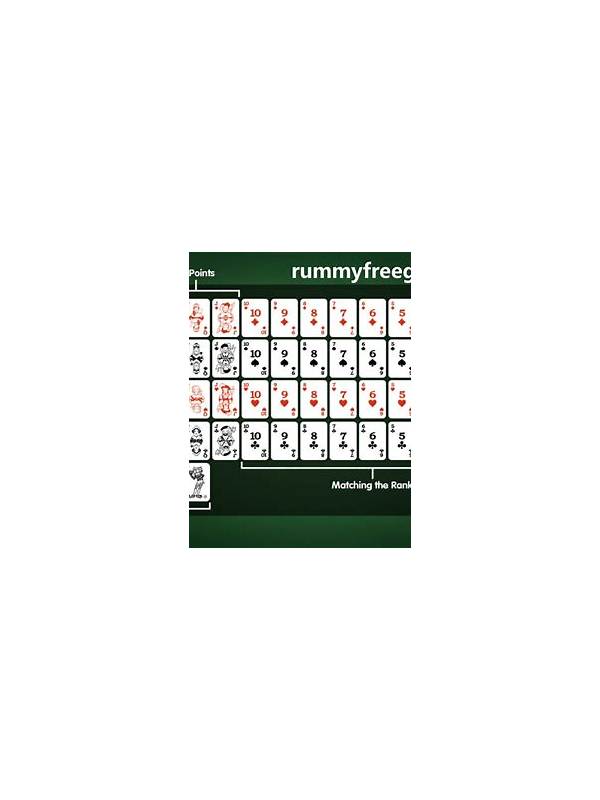
Rummy How-To: Turn a Near-Run Into a Decision Tree
A small decision tree helps evaluate a near-run without assuming that its missing card will [...]
Rummy Guide: Turn a Difficult Hand Into Three Smaller Questions
Breaking a crowded hand into structure, risk, and next-draw questions can make choices clearer. [...]