Rummy Guide: Review Your Hand Before Every Draw
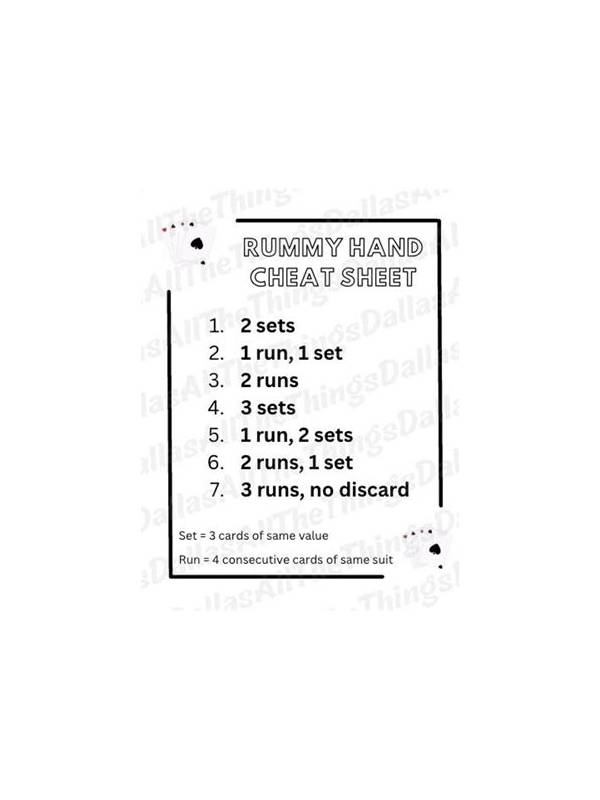
The best plan at the start of a rummy turn may be outdated by the time you draw. A visible discard, a new card, or a completed group can change the relative value of everything else. A brief review before each draw keeps your decision connected to the current position.
Use a fixed four-part scan. First, identify completed legal groups and leave them mentally protected. Second, locate the most promising unfinished connections. Third, find isolated cards that create point or flexibility concerns. Fourth, name one question for the next draw. The question might be whether you should extend a sequence, seek a set, or release a narrow card.
Do not solve the whole hand during the scan. The review is a reset, not a demand for perfect calculation. It should take only long enough to prevent you from drawing automatically. If the table is fast, practise a shorter version: completed groups, best route, weakest card, next question.
The scan is particularly useful after a surprising draw. New cards can make a previously weak route appear attractive, but they can also tempt you to abandon a stronger plan. Compare the new possibility with what you already have. Ask what you give up by pursuing it and whether there is a fallback if the next card is unhelpful.
To practise, deal a hand and pause before every simulated draw. Write one line describing the current plan. After five turns, review the lines and mark where the plan changed for a clear reason. You are looking for an understandable chain of adjustments, not a story that makes every move sound inevitable.
This routine also provides a natural pause for responsible play. If you cannot complete the scan calmly, take a break or lower the complexity of the practice format. Strategy is less useful when fatigue, distraction, or pressure is controlling the turn.
A pre-draw review is small enough to become a habit. By repeatedly separating protected groups, promising connections, weak cards, and the next question, you make crowded hands easier to read and midgame changes easier to handle.
If you find yourself repeating the same scan several times without learning anything new, stop and take a genuine break. Rechecking is useful when information changed, but it can become a form of anxiety when the hand has not changed. A clear stopping point protects attention and keeps the routine practical rather than exhausting.
Related Post
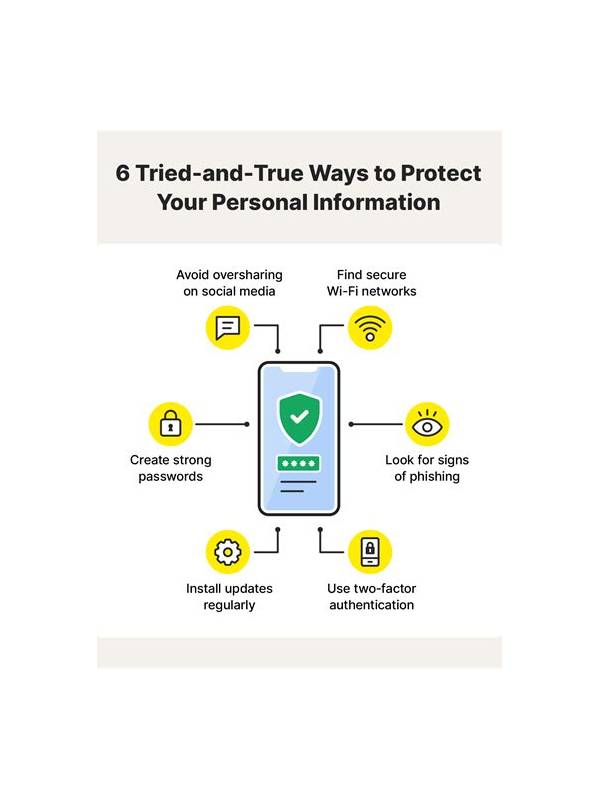
Rummy Safety: Protect Personal Information on Game Accounts
Basic account hygiene helps rummy players protect personal information while using online game services. [...]
Rummy Practice Journal: Track Decisions, Not Just Results
A short practice journal can reveal decision habits more clearly than a simple list of [...]