Rummy Practice: Build Two Plans From One Hand
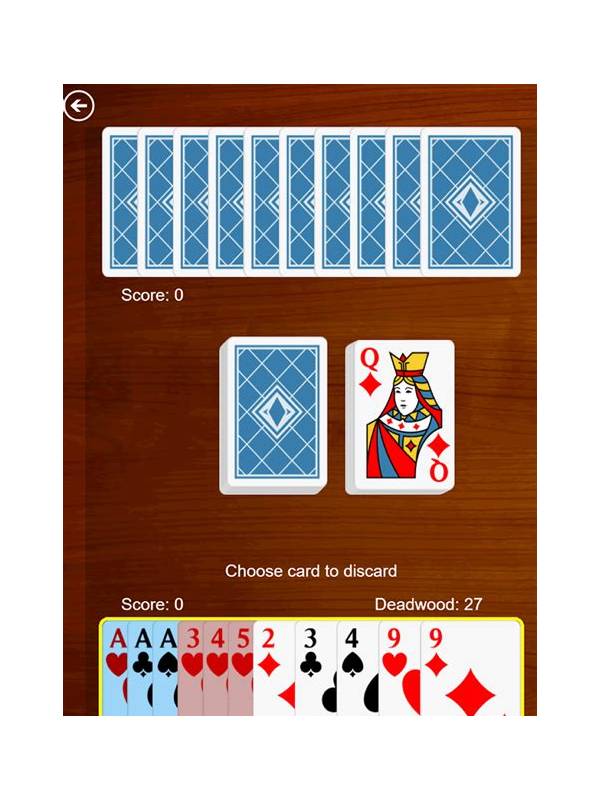
Many rummy players practise by looking for one perfect arrangement. A better exercise is to build two plausible plans from the same hand. The comparison teaches you to weigh completion, flexibility, and leftovers instead of falling in love with the first pattern you notice.
Deal a random hand and sort it once for visibility. Plan A should use the clearest existing connection. Plan B should begin with a different route, perhaps a set rather than a sequence or a shorter connection rather than a long one. Both plans must follow the rules of the variant. Do not invent an illegal group just to make the comparison interesting.
For each plan, write four items: the cards already supporting it, the next card or cards it needs, the cards it leaves outside, and its fallback if the next draw misses. Keep the notes short. The aim is not to calculate exact probabilities but to expose the structure of each route.
Then simulate three draws. Use the same draws for both plans, as if they were two ways of interpreting one hand. After each draw, update both plans. One may improve while the other becomes unnecessary. This prevents hindsight from giving one plan a different information advantage.
At the end, choose which plan you would follow and explain why in one sentence. Possible reasons include more legal completion paths, safer leftovers, lower point exposure, or a clearer response to the next turn. If you choose Plan A only because it was written first, repeat the exercise with the order reversed.
The exercise can be adapted for a group. One player describes the two routes while another asks what each plan gives up. Avoid treating the discussion as a prediction contest. The goal is to make assumptions visible and improve the quality of future decisions.
Keep practice separate from real-money play and set a time limit before starting. Two-plan practice is valuable because it improves adaptability, but no exercise can remove uncertainty. Use the comparison to become more deliberate, not to chase a guaranteed outcome.
For an extra challenge, hide one card from the hand before making the two plans. State what you know and what you cannot know, then reveal the card after the first simulated turn. This variation teaches you to update without blaming the original plan for information that was genuinely unavailable. Keep the exercise light and end it at the preset time.
Related Post
Rummy Strategy: Separate the Build Phase from the Finish Phase
Treating early organization and late risk reduction as different phases can make your decisions more [...]
Rummy Rule Translation: Build a Personal Reference Card
Turn a long or unfamiliar rules page into a short reference card without losing the [...]