How to Review a Rummy Table Exit

Ending a rummy session is a good time to capture one useful lesson. A table-exit review should be short, factual, and separate from the urge to continue. Its purpose is learning, not proving that a result could have been changed.
Begin with the session facts: format, approximate duration, and the number of hands or rounds. Do not record private account or payment details in a general practice journal. Then choose one hand that taught you something. Write the decision point in plain language, such as “I kept a narrow connector after the hand gained a safer route.”
Separate information from hindsight. Record what you knew before the decision, what you assumed, and what happened next. A card arriving later does not automatically make the earlier decision wrong. Ask whether the plan was reasonable given the visible information and the rules at that moment.
Name one repeatable adjustment. It could be checking the whole hand before drawing, reviewing high cards earlier, or taking a pause after an upsetting result. Avoid a vague conclusion such as “play better.” A specific adjustment can be tested in the next practice session.
Finish by noting whether your session limits worked. Did you stop at the planned time? Did fatigue or frustration appear before the stop? If the answer suggests a problem, adjust the next session boundary or take a longer break. Do not use review as a reason to chase a result immediately.
Keep the review under five minutes at first. A compact note is more likely to be repeated than a detailed transcript. Over time, group notes by themes such as discard timing, hand organization, attention, or rule knowledge. Look for patterns across several sessions rather than overreacting to one outcome.
The best table-exit review closes the loop: facts, decision, assumptions, lesson, and boundary check. Once it is written, step away from the table. Learning improves when the session has a clear ending.
If the hand is still emotionally vivid, wait before writing the review. A few minutes away from the screen can make the difference between recording a useful observation and writing a complaint about luck. Keep the final note short enough to read before your next practice session. Over time, these small records become a map of decisions you can actually improve.
Related Post
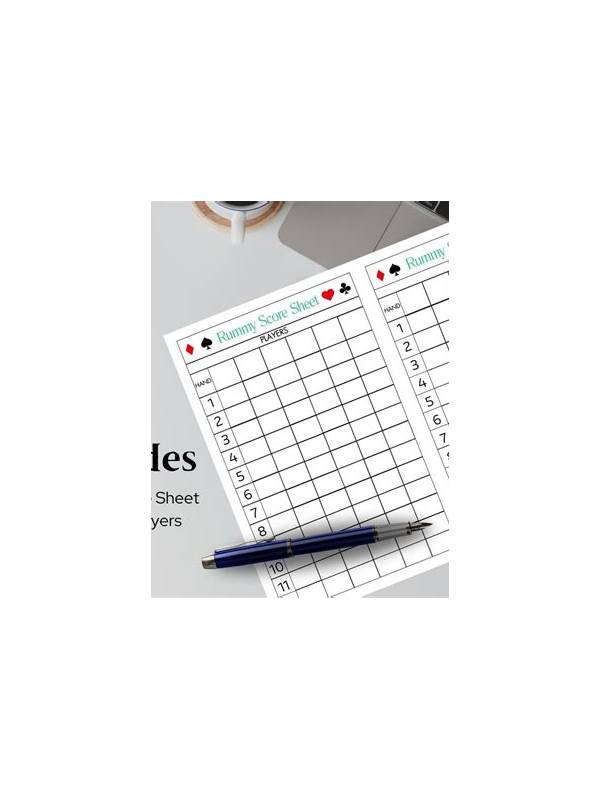
Rummy Practice: Score the Quality of a Decision
A process-based scoring method helps rummy learners review choices without judging only the result. [...]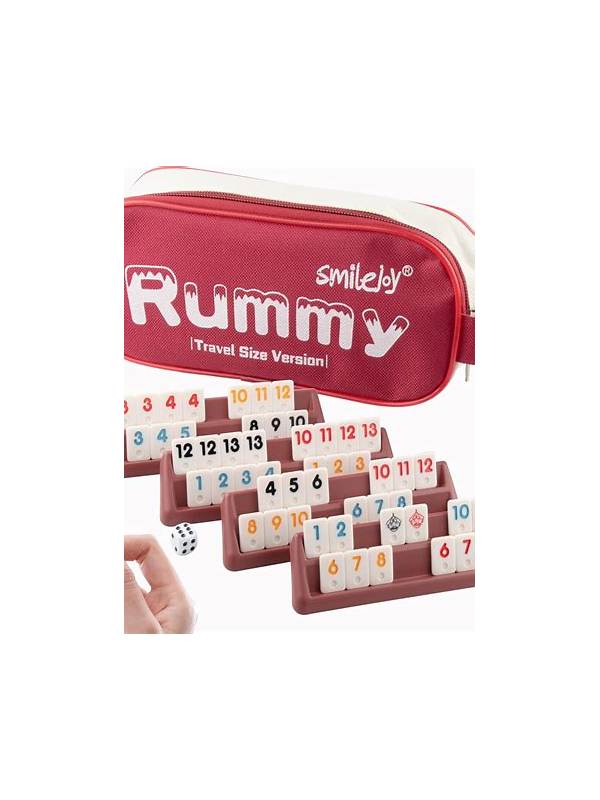
Rummy Safety: Set a Clear Session Budget Before Playing
A written time and money limit can keep a recreational rummy session within its intended [...]