Rummy Comparison: Immediate Improvement Versus Durable Improvement
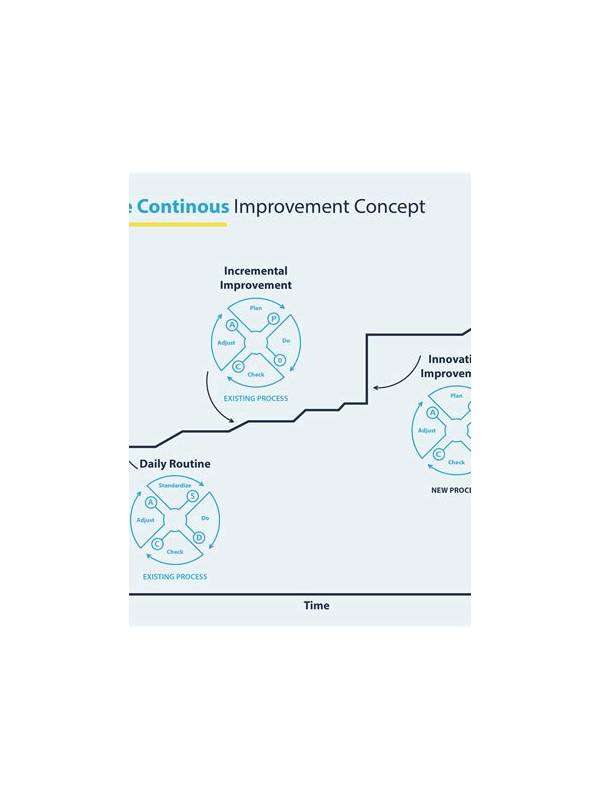
When a draw helps the hand, it is tempting to keep it immediately. That instinct can be useful, but not every improvement has the same durability. Immediate improvement creates a group or removes a liability now. Durable improvement keeps multiple credible routes available for later. Comparing both helps avoid trading long-term flexibility for a small short-term gain.
Imagine a card that completes a pair while another card connects two possible sequences. The pair may be an immediate improvement because it looks organized. The connector may be durable because it can respond to more than one future draw. Neither is automatically correct. Check the quality of the completed or nearly completed group, the point cost of what remains, and the number of missing cards.
Measure immediate improvement by what it changes in the current hand. Does it reduce unmatched points? Does it create a required group? Does it make the next discard obvious? A card that merely looks tidy but leaves several expensive singles has limited immediate value.
Measure durable improvement by the number and quality of routes preserved. Count realistic connections, not every theoretical combination. A middle card may have several neighbors, but if those neighbors are already visible or leave awkward leftovers, its durability is lower than it appears. A low card with one strong route can be more useful than a middle card with three weak stories.
Timing changes the comparison. Early in a hand, durable improvement often deserves more weight because there is time to use flexibility. Near the end, immediate reduction of risk may matter more. A route that is flexible in theory but needs several draws is not durable when the hand is nearly finished.
Add a simple review question: “If my preferred next card fails to appear, which choice still leaves me with work I can finish?” The answer exposes whether the current improvement is robust. It may also reveal that a plain, low-cost discard is better than either attractive option.
The goal is not to reject immediate gains. It is to identify their cost. A strong turn can improve the hand now while retaining a practical second route. When that is impossible, make the trade-off consciously and set a checkpoint for the plan you choose.
Durability can be lost gradually. A connector may begin with two routes, then lose one when a neighboring card is discarded or when your other cards need the same space. Recount after meaningful changes instead of preserving its original label. The best comparison is always about the current hand, not the hand you remember from two turns ago. This is especially important when several cards have similar ranks and the visual arrangement makes them appear interchangeable.
Related Post
Rummy Comparison: Planned Draws Versus Opportunistic Draws
Compare deliberate drawing plans with flexible reactions to choose cards more consistently. [...]
Rummy How-To: Archive Session Notes for Later Review
A compact archive makes it easier to find recurring decision patterns without turning every game [...]