Rummy Comparison: Fast Tables or Relaxed Tables?
Table speed is more than a convenience setting. A fast table gives less time to inspect a hand, while a relaxed table may allow deeper review but take longer overall. The right choice depends on attention, experience, device reliability, and how much uncertainty you can handle without rushing.
Fast tables suit players who already know the active rules and can recognize common structures quickly. Their shorter turns may feel efficient, but they punish distractions. A phone call, a slow connection, or a moment spent searching for a card can consume the available time. Fast play is a poor match for a noisy setting or a player still learning how declarations work.
Relaxed tables create more room for checking suits, counting groups, and reading the discard pile. That extra time does not guarantee better decisions; it can also encourage overthinking. Set a personal routine so each turn has a purpose. For example, inspect the new card, review the hand’s structure, choose a discard, and submit only after checking the move.
Compare interruption risk before joining. If you may need to leave suddenly, choose a practice mode or a format with rules that clearly explain disconnections and timeouts. Never assume that closing the app pauses a live turn. Read the table information first, especially if an entry fee or balance is involved.
Consider the learning goal. Fast tables can train visual scanning after the basics are familiar, but they are not ideal for learning sequence and set rules from zero. A slower environment lets you label the decision you are making: preserve a pure sequence, reduce a high card, or evaluate an open discard. Clear labels make later review easier.
Also compare emotional pressure. A rapid pace can make a losing streak feel urgent, encouraging impulsive re-entry or larger stakes. Choose a session boundary before play, including a time limit and a spending limit. If the pace prevents you from following that boundary, leave the table rather than adapting the boundary to the game.
There is no universally superior speed. Select the format that lets you understand each action, manage interruptions, and remain within your planned limits. Reassess after a few hands; comfort and concentration are better indicators than a table label alone. If you are comparing tables on the same service, take a minute to read the labels instead of assuming that “quick” and “standard” mean the same thing everywhere. Note the entry, timeout, and scoring details in your own words. This makes the comparison useful even when a provider changes its interface or renames a table category.
Related Post
Rummy Guide: Set Up a Calm Table Before the First Deal
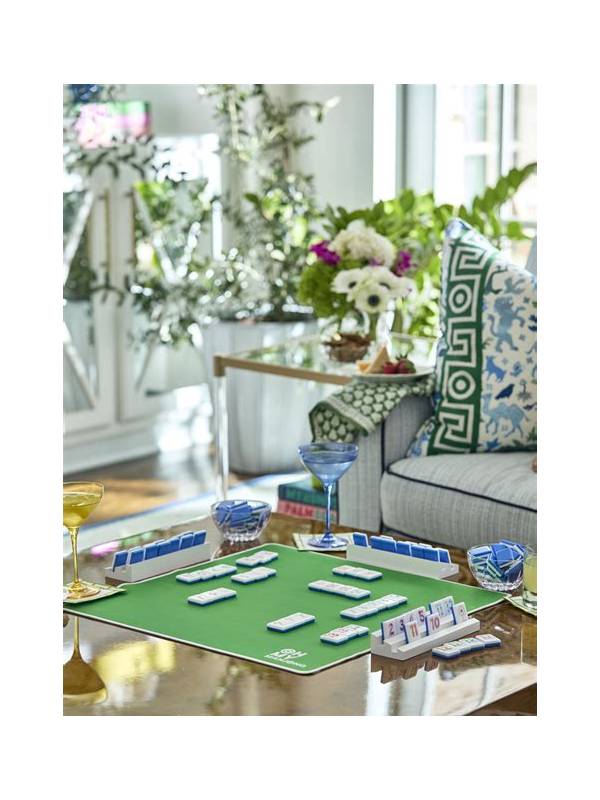
A consistent table setup reduces distractions and makes hand organization, rule checks, and score tracking [...]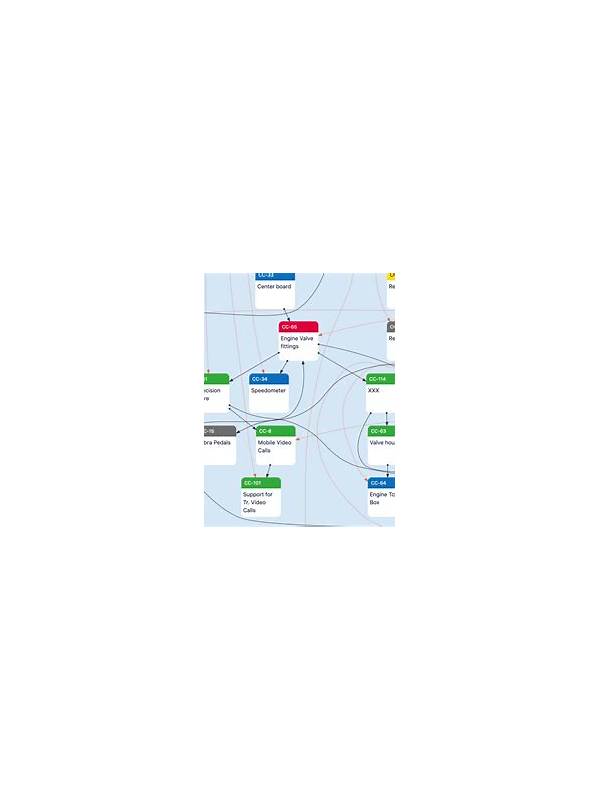
Rummy Guide: Use a Dependency Map for Unfinished Groups
Mapping the cards each group depends on makes it easier to spot fragile plans. [...]