Rummy Suit Tracking Without Overloading Your Attention
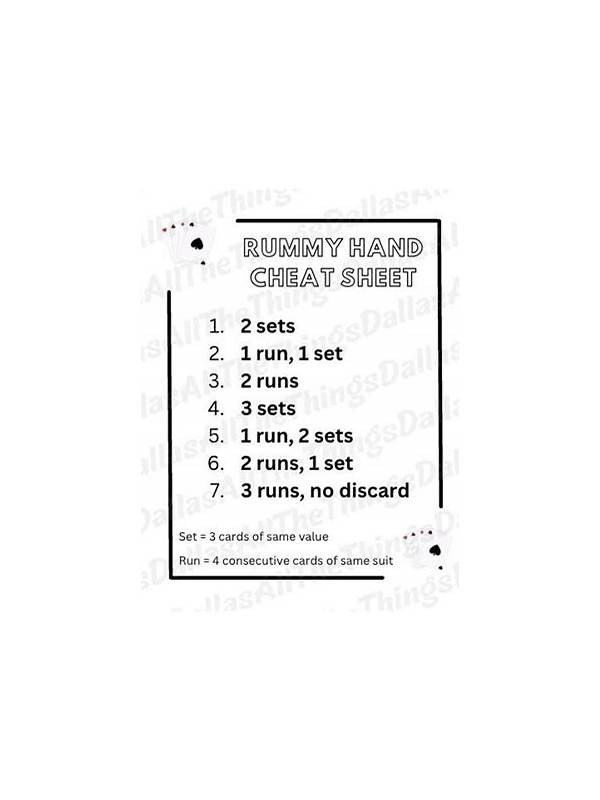
Suit tracking can be helpful, but trying to remember every card at the table can make decisions slower and less accurate. A compact method focuses on information that changes your next move rather than turning the game into a memory test.
Begin with your own hand. Identify one or two suits that contain connected cards and note the missing neighbors. If you hold six and eight of hearts, the seven is relevant. If you also hold two unrelated hearts, that second detail may matter less right now. Prioritize cards that complete or extend groups you can realistically build.
Next, watch the discard pile for repeated signals. You do not need a complete inventory. Notice which suit an opponent repeatedly rejects and which suit they appear willing to take. A player taking a nine of clubs tells you that card had value to them, but it does not prove they are building clubs. Treat the action as a clue with limited strength.
Use categories instead of exact memory. You might remember that several high spades have been discarded, that low diamonds remain mostly unseen, and that a particular connector was taken. These broad observations can guide a choice between two similar draws. They are less demanding than recalling every rank and less likely to create false confidence.
Avoid tracking while ignoring the clock or your own hand. If the table is fast, record only the one or two cards that directly affect your plan. When a new card arrives, update your priorities and let older, irrelevant information go. Good attention management is selective forgetting.
After the round, check whether your tracking changed a decision. If it did not, the information may not have been worth the effort. If it did, write down the small observation that helped. Over time you can refine a personal shortlist: important connectors, dangerous discards, and cards that are unlikely to improve the current hand. Tracking should make choices clearer, not make the game feel like a second job. One way to practice is to track only one suit for a few hands. Notice its visible discards and pickups, then compare your notes with the choices you made. Once that feels easy, add a second category such as high-card penalties. Gradual expansion is better than trying to remember everything immediately. The aim is useful awareness under ordinary playing conditions. The same selective method works when learning a new format. First identify which visible cards can affect a legal declaration, then ignore decorative or irrelevant information. Attention is limited, so spend it where it can change a decision. A small, accurate observation is better than a large, unreliable memory list.
Related Post
Rummy Safety: What to Do When a Table Connection Drops
A calm checklist for protecting your account and documenting a disrupted online rummy session. [...]
Rummy FAQ: What Makes a Discard Hard to Read?
A discard can be difficult to judge when it has several roles, and a structured [...]