Rummy Safety: Set a Session Stop Rule Before You Start
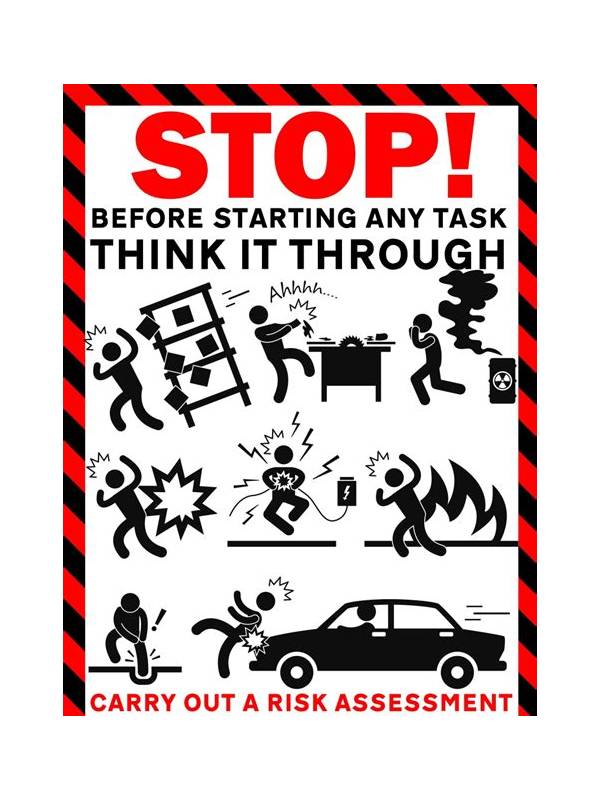
A stop rule is a decision made before a session becomes emotional. It can cover time, spending, number of rounds, or concentration. The purpose is not to predict the result. It is to create a boundary that still applies after a loss, a near win, or an unexpected interruption.
Choose a limit you can state precisely. “I will play for a while” is easy to reinterpret. “I will stop at 9:30,” “I will play three rounds,” or “I will not add funds during this session” is clearer. If money is involved, set the maximum amount in advance and treat it as entertainment spending, not as a target to recover.
Add a trigger for an immediate pause. Examples include feeling angry after a bad beat, noticing repeated rushed decisions, losing track of time, or playing while distracted. A pause should have a minimum length long enough to reset attention. Step away from the screen, drink water, and decide later whether continuing fits the original plan.
Keep practical safeguards in place. Use official account controls where available, avoid saving payment details on shared devices, and protect your login with a strong unique password. Do not install an app from an unverified message or give another person access to an account. If a service’s rules or local laws are unclear, stop and verify them through a trustworthy source before using real money.
A stop rule also protects the quality of your learning. Reviewing one calm round is more useful than extending a tired session. Record the limit, the actual stop time, and one observation about your decision-making. Do not use the record to criticize yourself; use it to see whether the boundary was realistic.
If you repeatedly break your limits, make the next boundary smaller and add external support, such as a trusted person or a platform restriction. Persistent difficulty controlling play is a reason to seek professional help and use responsible-gaming resources. A stop rule is a safety tool, not a test of willpower. Its value comes from making the decision before pressure arrives. Tell someone you trust about a boundary if you find it difficult to follow alone. Use platform limits where available, and never borrow money to continue a session. If play is interfering with sleep, work, relationships, or essential expenses, seek qualified support promptly. The safest choice may be to stop completely while you arrange help. Boundaries work best when they are visible, specific, and easy to follow.
Related Post

Rummy Comparison: Build Around Runs or Sets First?
Runs and sets offer different kinds of flexibility, so compare their evidence and replacement cost [...]
Rummy Card Exposure: Limit What Others Can See
Simple screen and privacy habits help players control accidental card exposure during online rummy. [...]