Rummy Guide: Track Information With a Small Memory Budget
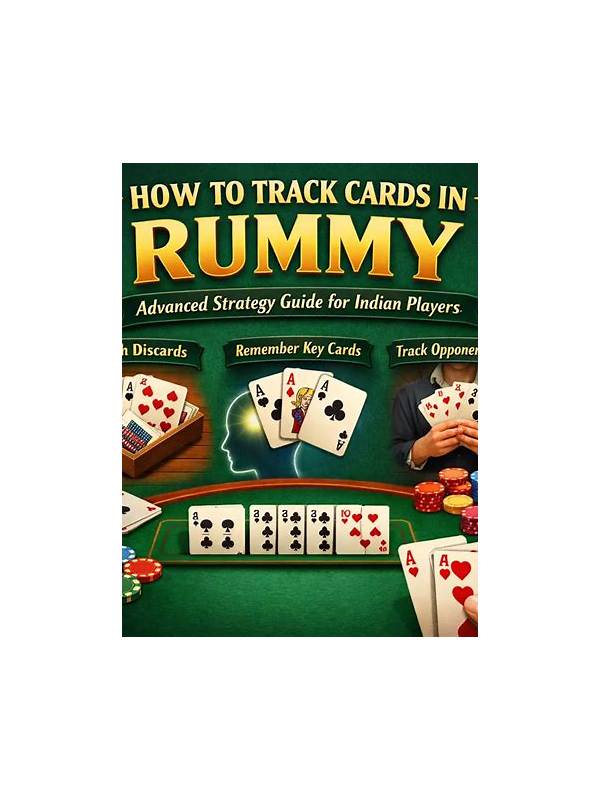
Trying to remember every discarded card can overload attention. A better approach is to reserve your memory for information that can change your next decision. This small memory budget is useful at a busy table, on a phone screen, or when several players act quickly.
Keep three categories. The first is required cards: cards you need for a nearly complete structure. Remember their ranks and suits, but update the list when one becomes visible. The second is dangerous cards: cards you might discard but that appear likely to help an opponent. You do not need to track every copy; remember the most relevant pattern. The third is confirmed information: completed visible melds, exposed wild cards, and cards you personally discarded.
Ignore low-impact detail. A distant pair that has no clear route does not deserve the same attention as a card that completes your pure sequence. When you draw, ask whether the card changes one of the three categories. If it does not, keep your plan and avoid mental clutter.
Use verbal labels rather than long descriptions. “Eight of hearts for the run” is easier to retain than a full imagined hand tree. “Three queens visible” is enough to adjust a set plan. If the interface permits notes or a history view, use it only for your own decisions and within the platform’s rules; never copy private information or attempt to interfere with another player.
Refresh memory after major events. A completed group, a large discard, or a player taking a card from the pile can change the value of your remembered facts. Drop obsolete items immediately. Old information is more dangerous than missing information because it can make a weak route feel certain.
This system also helps with concentration. If you notice your memory budget is full, make the next move conservative: reduce high cards, protect a confirmed sequence, or pause if the rules permit. Fatigue is a strategic factor, not a character flaw.
The goal is not perfect recall. It is to remember enough to avoid obvious mistakes while leaving attention for the current turn. Required, dangerous, and confirmed information create a practical filter. With practice, the table feels less like a stream of random cards and more like a small set of changing facts. You can practice the budget in a no-stakes setting. After each turn, name only one required card, one confirmed fact, and one potential danger. If the hand remains understandable, the filter is working. If not, remove another detail. Attention is limited, so a smaller reliable list is better than an impressive list you cannot update.
Related Post
Rummy Rule Translation: Turn Written Rules Into Table Actions
Translate broad rummy rules into concrete checks you can perform during a live hand. [...]
Rummy Comparison: Broad Routes and Narrow Routes
Broad and narrow rummy routes have different timing and recovery costs, so neither should be [...]