Rummy FAQ: Can a Joker Complete Every Sequence?
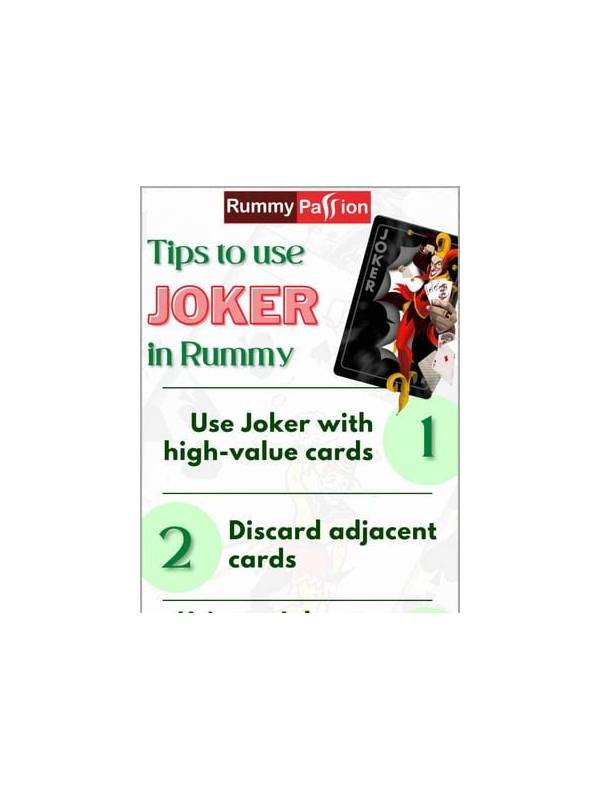
Can a joker complete every sequence? No. A joker is usually a flexible substitute, but the exact allowance depends on the rummy variant and the table’s rules. Many formats allow a printed or wild joker to stand for a missing card in an impure sequence or group. They commonly still require at least one pure sequence, meaning a sequence made without a joker. Always confirm the rule sheet before relying on a particular arrangement.
What is a pure sequence? A pure sequence is normally three or more consecutive cards of the same suit without a joker substituting for a missing rank. For instance, a run such as five, six, and seven of one suit is a typical example. If a wild card replaces the six, that set may become an impure sequence instead. The wording differs across games, so the useful habit is to identify the required pure meld first.
Can a joker join a group? In many Indian rummy formats, a joker can represent a missing rank in a group of the same rank but different suits. The group must still satisfy the maximum size and duplicate restrictions for that table. A joker does not automatically make any collection valid; four cards of the same suit, repeated cards, or an arrangement with too many substitutes may fail under the rules.
When should I keep a joker? Keep it when it gives your hand more than one credible completion route. It can finish an impure sequence, support a group, or connect a difficult pair. Do not treat it as a reason to hold every unrelated card. A joker has value because it creates flexibility, and that value falls if the rest of the hand remains disorganized or if you already have the required melds.
Should I ever discard a joker? In ordinary play, discarding a joker is usually unattractive because it removes a highly flexible resource. It can still be reasonable when the table rules assign no special benefit, when your hand is already valid without it, or when holding it encourages a high-risk plan. Before discarding, check whether it could protect a pure sequence requirement or reduce a large penalty.
What is the safest way to check a joker meld? Name the exact card the joker represents and then test the whole arrangement. Ask whether the suit and rank order remain correct, whether the meld has enough cards, and whether another joker is permitted. Finally, check the declaration rules rather than relying on an app’s visual grouping. A neat display can hide an invalid combination.
The central lesson is simple: a joker is a tool, not a guarantee. Use it to solve a specific structural problem, preserve the required pure sequence, and verify the local rules before declaring. If the format is unfamiliar, practise with no-stakes hands until the substitution limits become automatic.
Related Post
Rummy Draw Choices: When the Discard Pile Is Worth Considering
Rummy Draw Choices: When the Discard Pile Is Worth Considering offers practical guidance for clearer, [...]
Rummy FAQ: How Long Should You Hold a Speculative Pair?
Use support, opportunity cost, and a deadline to decide when a speculative pair has had [...]