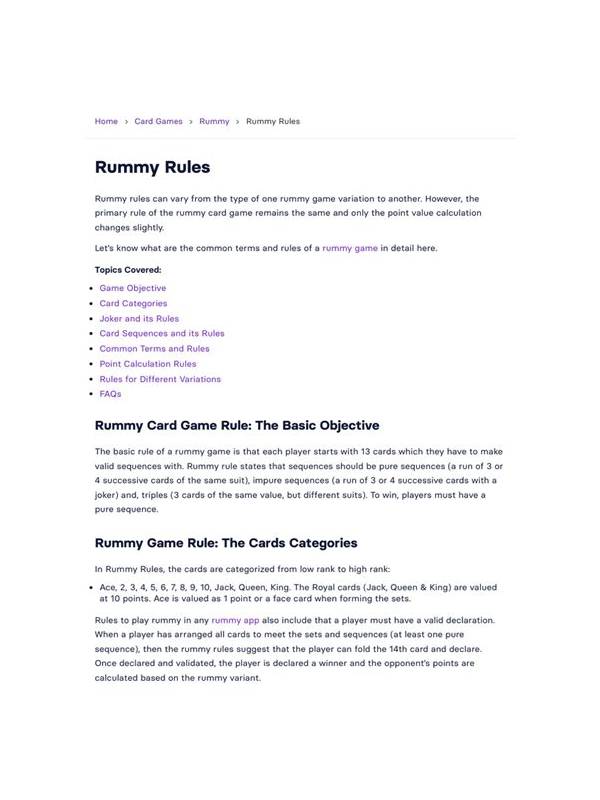
Rummy How-To: Create a Clear Turn-by-Turn Log

A turn-by-turn log is useful when you want to study decisions rather than merely remember the result. It does not need to capture every card on the table. A short record of your plan, action, and reason is enough to reveal repeated habits after a few hands.
Before playing, choose three fields: turn number, action, and reason. The action might be “drew from discard,” “held pair,” or “released high card.” The reason should describe your thinking in plain language, such as “kept two possible connectors” or “reduced points while waiting for a sequence.” Avoid writing a long explanation while the timer is running.
Add one optional field for uncertainty. Write “certain,” “unclear,” or “guess” beside a decision. This is valuable because players often remember uncertain choices as if they had been deliberate. A visible uncertainty label gives you a fairer review later and helps identify where more practice would help.
Log only meaningful turns. The opening draw, a major route change, a joker decision, and the final discard usually deserve attention. If you record every minor re-sort, the notes can become a second task that harms concentration. In a fast game, use a single keyword and expand it after the hand.
After the round, review the log in order. Look for moments when your reason changed without new evidence. That may indicate impatience or a reaction to a recent loss. Also look for missed exits: a card you held because it fit one plan even though it blocked a safer alternative. These patterns are easier to see in sequence than in memory.
Keep practice logs separate from financial records and never include passwords, payment details, or personal identifiers. The purpose is learning, not creating a sensitive archive. A simple note such as “turn 4: kept pair, low confidence” can teach more than a detailed transcript. Over time, compare logs from calm sessions with rushed sessions. The contrast can show whether your process survives pressure, which is a more useful measure than a single win or loss. Keep practice logs separate from financial records and never include passwords, payment details, or personal identifiers. The purpose is learning, not creating a sensitive archive. A simple note such as “turn 4: kept pair, low confidence” can teach more than a detailed transcript. Over time, compare logs from calm sessions with rushed sessions. The contrast can show whether your process survives pressure, which is a more useful measure than a single win or loss.
Keep the log readable a day later. Use consistent words for the same action and avoid unexplained abbreviations. If another person reviews it, they should understand what happened without needing access to your account or the original screen. A clear record turns practice into a repeatable experiment.
Related Post
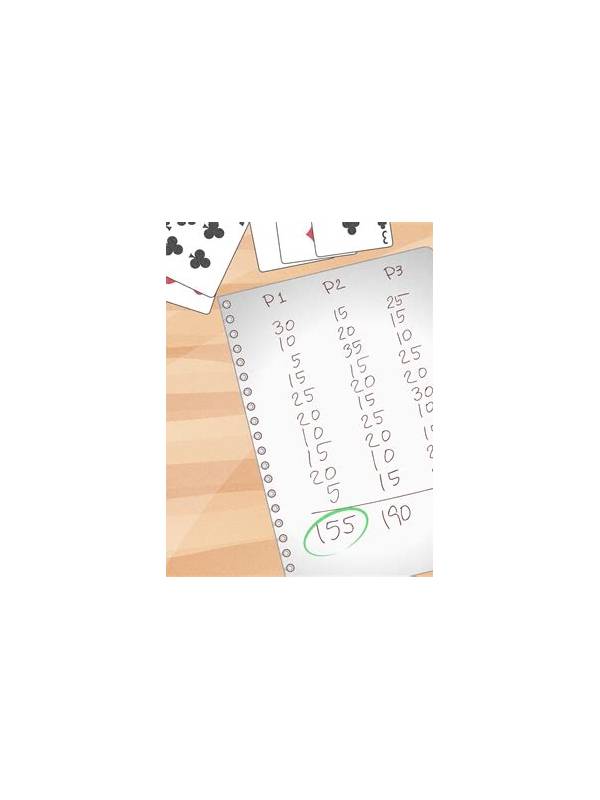
Rummy FAQ: When Should You Stop Chasing a Draw?
Learn how to recognize when a hoped-for rummy card no longer justifies the space and [...]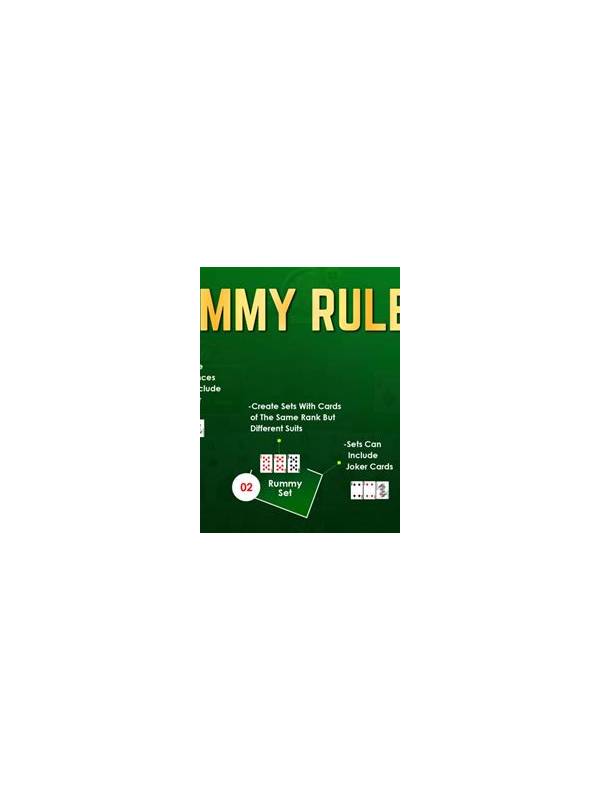
Rummy How-To: Make a Personal End-of-Round Checklist
A short end-of-round checklist turns a completed rummy hand into a consistent learning opportunity. [...]