Rummy Table Tour: What to Check in a New Variant
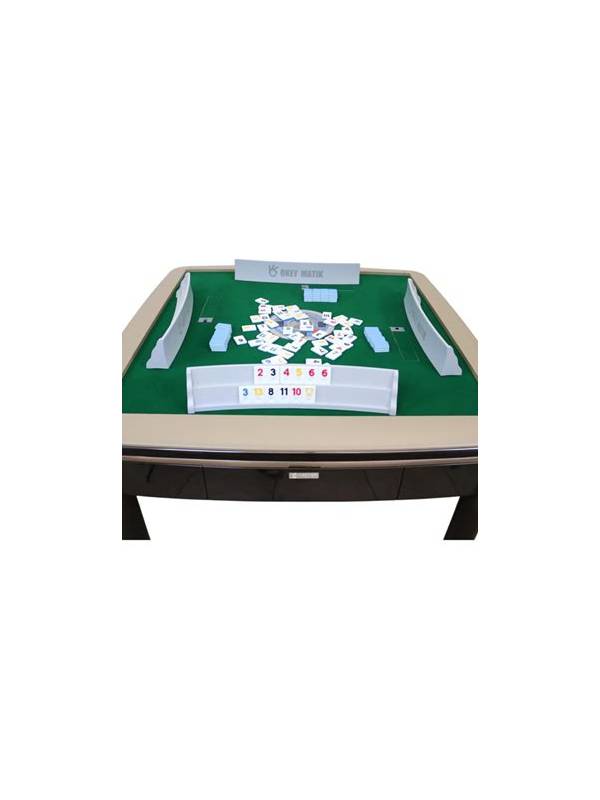
Joining a new rummy table can feel familiar and confusing at the same time. The cards may look the same, while the target, scoring, timer, and joker rules differ. A one-minute table tour gives you a reliable starting point and prevents an avoidable mistake caused by assuming that every table follows the same format.
First identify the objective. Confirm the hand size, the number of cards required in a valid declaration, and whether a pure sequence or another protected group is mandatory. Find the rules panel before you draw. Pay special attention to the definition of an invalid declaration, because some variants penalize it immediately while others use a different settlement.
Next inspect the scoring display. Note whether points are charged per card, per hand, or across a pool. Check the value of face cards, aces, jokers, and ungrouped cards. A low-scoring hand is not necessarily safe if the table uses a cumulative format. If the table has an entry fee or prize amount, read the displayed conditions and any service charges separately from promotional language.
Now look at the action area. Locate the closed deck, open discard pile, sort control, declaration button, and leave-table option. Identify which card is currently selected before tapping discard. On a small screen, a crowded layout can make a neighboring control easy to hit. If there is an auto-sort feature, understand whether it changes only the display or changes your grouping in a way that could hide a useful connection.
Check the turn timer and disconnection behavior. Ask how much time is available, whether a warning appears, and what happens when the timer expires. A stable connection is part of preparation, but no connection is perfect. Knowing the reconnection window and where a resumed hand appears keeps a brief interruption from becoming a panicked sequence of taps.
Review the table’s pace and social controls. A fast table may suit an experienced player but be a poor learning environment. Mute chat or audio if it distracts you, and avoid sharing personal details in a public room. If the table permits spectators, screen sharing, or invitations, use those controls only when you understand who can see the game.
Finish by making a five-point note: objective, required groups, scoring, timer, and exit rule. If you cannot explain those items in your own words, leave the table and read the rules again. The tour is not wasted time; it is a small safeguard that lets your actual decisions come from the variant in front of you rather than from memory of a different game.
Related Post
Rummy How-To: Review a Round Without Blaming the Shuffle
A neutral post-round review separates random outcomes from decisions you can improve next time. [...]
Rummy FAQ: Why Do Unseen Cards Matter?
Unseen cards matter because they define uncertainty, but they should not be treated as guaranteed [...]