How to Review a Rummy Hand After Every Round
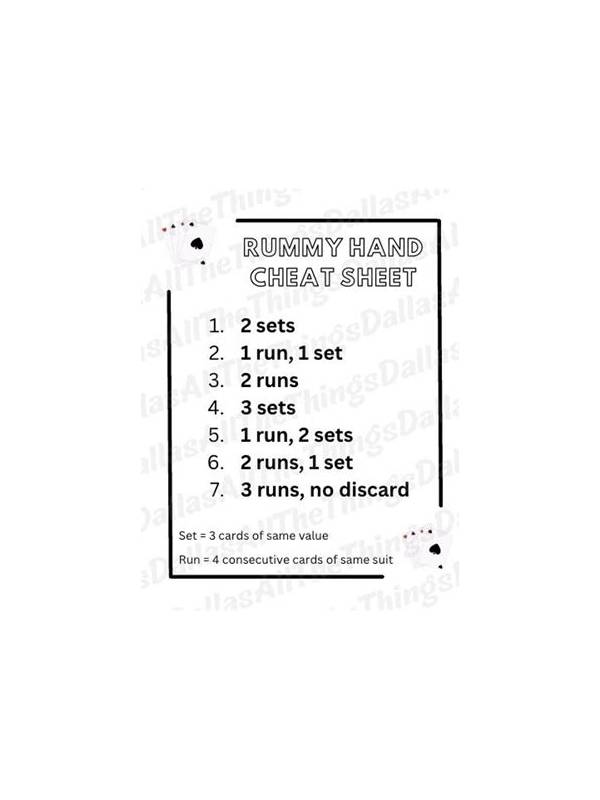
A rummy session becomes more educational when each completed round provides one clear lesson. You do not need a long journal or a detailed reconstruction of every draw. A five-minute review can show whether your choices were deliberate and where your plans became too narrow.
First record the result without judging yourself. Note whether you declared, folded, or finished with a high penalty. Results matter, but they are not the entire evaluation. A strong hand can lose because another player completed first, and a weak decision can occasionally succeed through luck. Separate outcome from process.
Then identify the first important decision. It might be an early discard, a choice to keep two unrelated high cards, or a decision to use a joker immediately. Ask what alternatives were available at that moment. Write one sentence: “I kept the ten because it connected in two ways,” or “I discarded the pair because it blocked a pure sequence.” Specific language exposes the reasoning behind the action.
Review the middle of the round next. Did your hand improve because you followed a flexible plan, or did you wait for one unlikely card? Count how many useful draws were available before your last turn. If the answer was only one or two, consider when you could have changed direction. Good review looks for the moment a plan stopped being practical.
Finally examine the closing turns. Were your remaining points manageable? Did you protect a possible pure sequence while ignoring an easy low-risk group? Did the discard pile provide information that you failed to use? Choose one improvement for the next session, such as releasing an isolated high card earlier or checking for a valid declaration before acting.
Keep reviews short and consistent. A table with date, format, key decision, and lesson is enough. Avoid turning the exercise into a reason to play longer after a disappointing result. Stop when your scheduled session ends, write the note, and return later with a rested mind. The value of review comes from honest observation repeated over time, not from reliving one unlucky round. Use neutral wording in the record. “I waited three turns for one card” is more useful than “I played badly.” Neutral notes can be compared across formats and weeks. If the same pattern appears repeatedly, make it the next practice target. If it appears once, file it as context rather than treating it as a permanent weakness. This keeps review constructive and protects the boundary between learning and self-criticism.
Related Post
Rummy Comparison: Focused Bursts Versus Extended Practice Blocks
Compare short and long rummy practice blocks by focus, feedback, fatigue, and review quality. [...]
Rummy FAQ: What If You Pick Up a Discard by Mistake?
An accidental discard pickup should be handled through the table’s stated rules and support process, [...]