Comparing Short and Long Rummy Practice Sessions
Practice does not become effective merely because it lasts longer. A short session can sharpen one decision pattern, while a longer session can test consistency across changing hands. Comparing the two helps you choose a format that fits your energy, schedule, and learning goal.
Short sessions are useful for targeted work. You might play two or three rounds while focusing on early discards, pure-sequence planning, or checking a declaration. Because the objective is narrow, you can notice cause and effect more easily. Set a timer before starting and write one observation at the end. Stop even if the session ends with a win; the purpose is practice, not chasing a particular result.
Longer sessions provide a different test. They reveal whether your attention fades, whether you start forcing draws after a loss, and whether your decision routine survives several formats. A long block should include planned breaks. Drinking water, standing up, and looking away from the screen can protect concentration better than simply promising to remain focused.
Compare quality, not just quantity. After each session, score three things from one to five: attention, rule confidence, and emotional control. If a long session has many rounds but poor attention, it is not necessarily better practice. If a short session produces a clear lesson and a calm stopping point, it may be the more valuable choice that day.
Rotate the emphasis across the week. Use short sessions for a new concept, a medium session for applying it, and an occasional longer session for endurance. Do not increase stakes merely to make practice feel serious. Skill development is easier to evaluate when the conditions are stable and the amount at risk is appropriate to your budget.
The best schedule is sustainable. Pick a session length that leaves room for sleep, work, study, and relationships. If you are tired, frustrated, or distracted, a short review away from the table may teach more than another round. Practice should make decisions clearer over time, not make the game occupy more of your day. Keep the comparison fair by using similar formats and stakes. Changing the rules, table speed, and amount at risk at the same time makes the results difficult to interpret. You can also practise with example hands away from a live table when the goal is recognition rather than endurance. A quiet review often reveals whether you understand a concept before you test it under time pressure.
Related Post
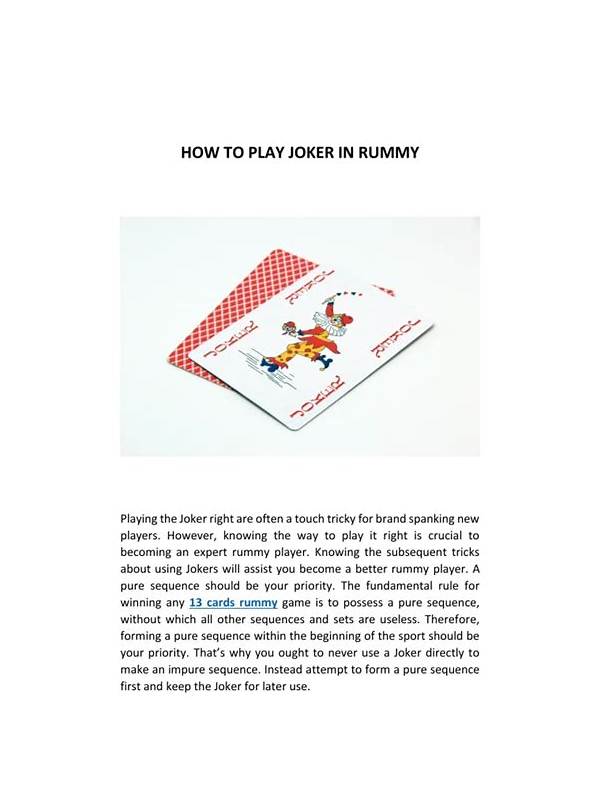
Rummy FAQ: Can a Joker Hide a Structural Weakness?
A joker can increase flexibility, but it does not automatically repair every weak rummy arrangement. [...]
Rummy Comparison: Learn From Errors or Outcomes?
Compare outcome-based review with error-based review and combine them for more useful rummy practice. [...]