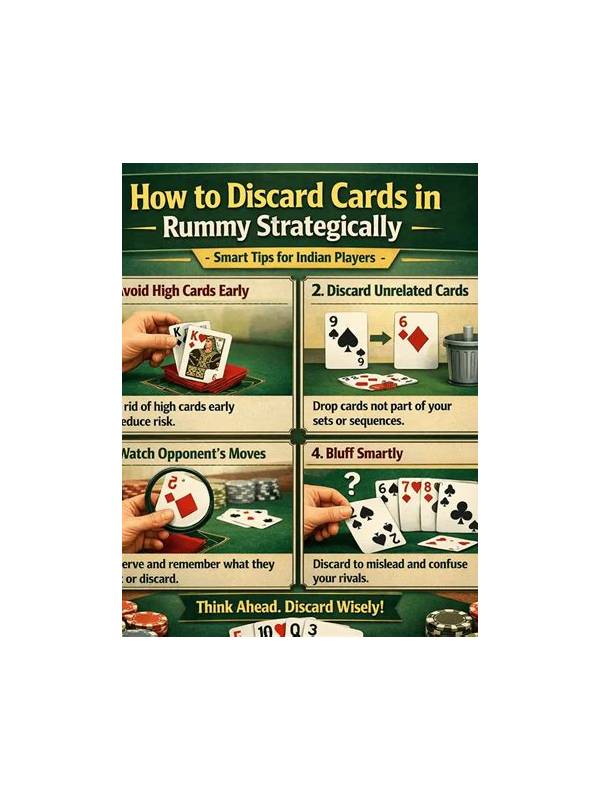
Rummy Opening Hand Audit for Better First Turns
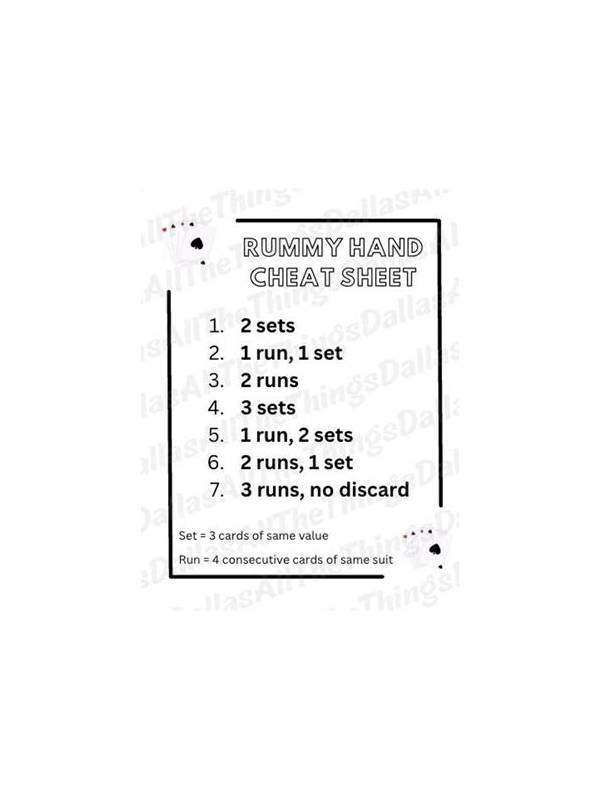
Keep the audit descriptive rather than superstitious. A card is not due, and a previous result does not change the contents of the unseen deck. What can change is your understanding of the hand. If a later card creates a better route, update the plan without treating that update as evidence that the opening audit failed. Over several sessions, compare the quality of the first explanation with the eventual structure. This develops decision discipline while leaving room for uncertainty.
The first turn in a rummy hand can feel deceptively simple: draw one card, arrange the hand, and discard one card. Yet that first discard often determines which possibilities remain available. An opening-hand audit creates a short pause for observation before action. It is useful for practice games and for any format where a player wants decisions to be deliberate rather than automatic.
Begin by separating cards into three groups: cards that already belong to a plausible sequence, cards that could join more than one group, and cards with no visible connection. A connected pair is not yet a sequence, but it has a clear direction. A flexible middle card may connect on either side. An isolated high card usually deserves closer attention because it can become expensive if it stays ungrouped.
Next, look for structure by suit and rank. Ask whether two nearby cards can be extended with one missing card, or whether a card is useful only if several unlikely draws arrive. This distinction is more valuable than simply counting pairs. A hand with two modest, open-ended connections may be healthier than one with a single attractive-looking pair and many unrelated cards.
When choosing the first discard, compare three costs. The first is penalty cost if the card remains at the end. The second is opportunity cost: could it help form a group later? The third is information cost: would discarding it reveal a useful pattern to an opponent? No single question decides every hand, but considering all three prevents a reflexive discard of the highest card.
After the discard, record what your hand is now trying to become. You might be pursuing a sequence in one suit, a set around a rank, or a flexible mix while waiting for evidence. This statement should be provisional. If the next few draws do not support it, reassess instead of defending the original idea.
The audit takes less than half a minute once practiced. It does not predict the next card or guarantee a favorable result. Its purpose is to make the opening decision explainable, reduce clutter, and preserve options for the turns that follow.
Related Post

Rummy Tips for Handling a Hand With No Clear Sequence
A scattered opening hand calls for flexible grouping and an early reassessment point. [...]
Rummy Discard Review: Use a Counterfactual Question
A single counterfactual question can turn an uncertain discard into a useful learning review. [...]