Rummy Tips for Reading a Changing Discard Pile
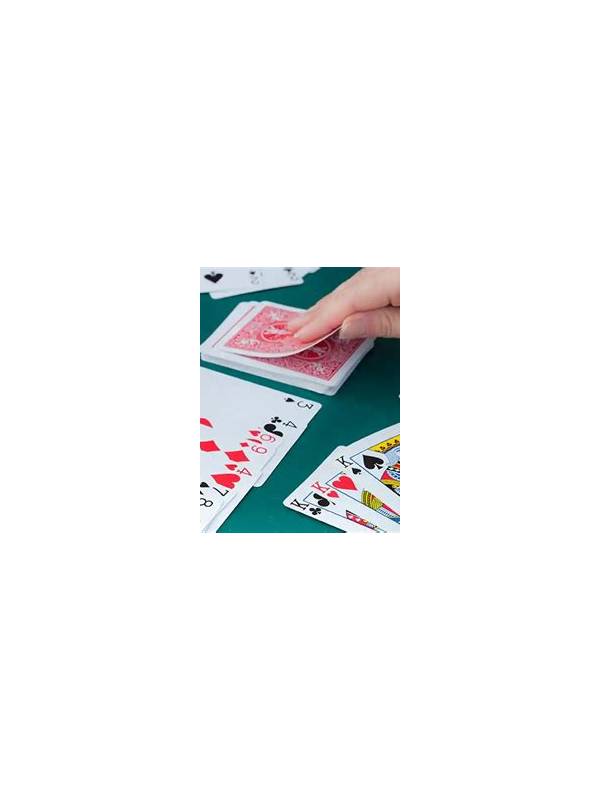
The discard pile is a moving record of table activity. Its newest cards deserve attention because they show what players recently rejected or what they could not use. However, a discard is not a complete explanation of another player’s hand. Reading it well means collecting modest clues and updating them as the pile changes.
Look for repeated ranks, suits, or neighboring cards. A cluster may indicate that certain cards are less useful to someone, but it may also reflect a temporary choice or a forced discard. Treat one card as weak evidence and a pattern as stronger evidence only when it persists. Keep your own hand as the first priority while observing the table.
Notice the timing of a discard. An early rejection may have been made before a player’s plan developed. A late rejection after several related cards appeared can be more informative, though it still does not prove what remains in that hand. Avoid assuming that an unplayed card is available merely because it has not appeared in the pile.
Use the pile to choose between your own routes. If one plan depends on cards that are increasingly visible in discarded form, lower its confidence. If another plan remains supported by unseen connectors and a useful fallback, it may deserve priority. This is a relative comparison, not a prediction that a particular card will arrive.
Reset your interpretation when a new round or format changes the conditions. A discard pattern from one hand should not become a permanent story about a player. Calm observation is more useful than dramatic reads. By treating the pile as changing evidence, you can improve timing without allowing guesses about opponents to control every decision. One useful discipline is to describe the pile without assigning a motive: “a connected high card was released” is better than “that player is definitely abandoning the suit.” This language keeps your observation available without turning it into a rigid prediction. If later cards contradict the first impression, update the interpretation immediately. The pile is a shared, incomplete record. Its value comes from helping you compare your own choices, not from producing certainty about hidden cards. It is also wise to distinguish a player’s discard from a card you personally should release. A card may be poor for one hand and useful for another. Use the pile as context, then check your own groups and requirements before copying an apparent pattern. This keeps observation from becoming imitation and leaves your strategy responsive to the cards actually in front of you.
Related Post
Rummy Guide: Use a Route Map for Set Building
A route map shows how a possible set could develop while keeping alternatives visible. [...]
Rummy Tips: Use a One-Sentence Decision Rule
A concise decision rule can keep a rummy hand organized when several cards look attractive. [...]