Rummy FAQ: When Should You Ignore a Good Draw?
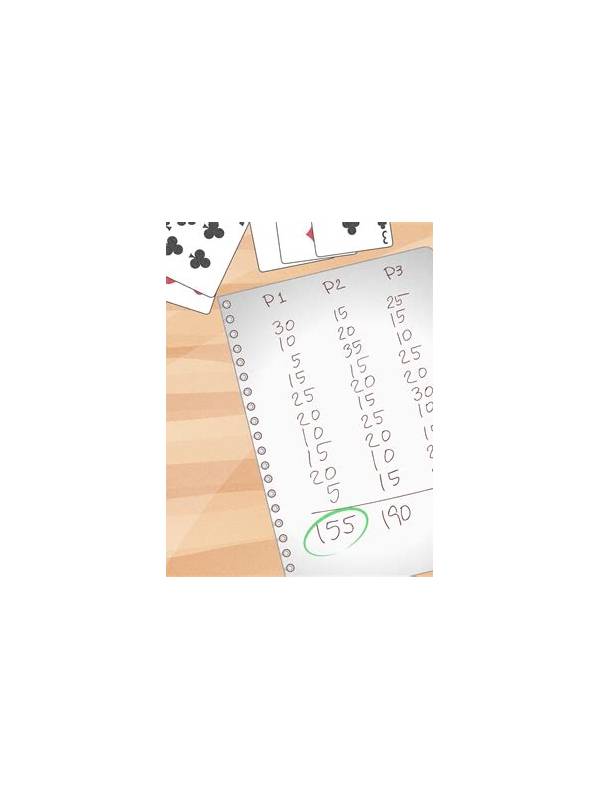
A good draw is not always a good choice. A card may fit one group neatly while weakening the rest of the hand, or it may look valuable because it is easy to use even though it leaves no fallback. The correct question is not simply whether the card helps. It is whether it improves the whole position.
Compare the new card with what you must release. If taking the card requires discarding a completed or nearly completed structure, the immediate fit may be misleading. Also ask whether the new card creates multiple useful arrangements or only one attractive picture. A flexible improvement usually deserves more respect than a tidy but narrow connection.
Timing matters. Early in a hand, a good draw can open several routes. Later, the same card may arrive after its route has become too slow. Consider the turns remaining, the cards already visible, and the penalty attached to cards you would keep while waiting. A high-value card that needs several more improvements may not be worth its apparent quality.
Information matters as well. Drawing from an open pile can tell other players something about your interests. That is not automatically a reason to refuse the card, but it should be included in the comparison. A concealed draw may offer less immediate information and more uncertainty. Choose based on the complete position, not on the emotional satisfaction of taking a visible match.
Use a short test before accepting an attractive draw. Name the structure it improves, identify the card it displaces, list one fallback if the next draw misses, and check the declaration requirements. If you cannot answer these questions, the card may be good in isolation but not good enough for your hand.
Ignoring a good draw does not mean refusing improvement out of fear. It means protecting a stronger route when the exchange is unfavorable. Review the decision afterward without using the result as proof. A missed card may have helped, but the original comparison should be judged by the information available at the time.
This approach also prevents hindsight from making every refusal look foolish. Record why you rejected the card, then compare the complete alternatives rather than only the final result. If the same type of attractive draw repeatedly causes trouble, turn the lesson into a pre-draw question and test it over several hands. That test is more reliable than judging the decision from one lucky or unlucky result.
Related Post
Rummy FAQ: Is More Information Always Better?
More visible information can help, but only when it is relevant, reliable, and small enough [...]
Rummy Joker Management: When to Keep a Flexible Wild Card
Learn how to evaluate a joker by the number of useful possibilities it creates rather [...]