Rummy How-To: Use a Two-Column Draw Record
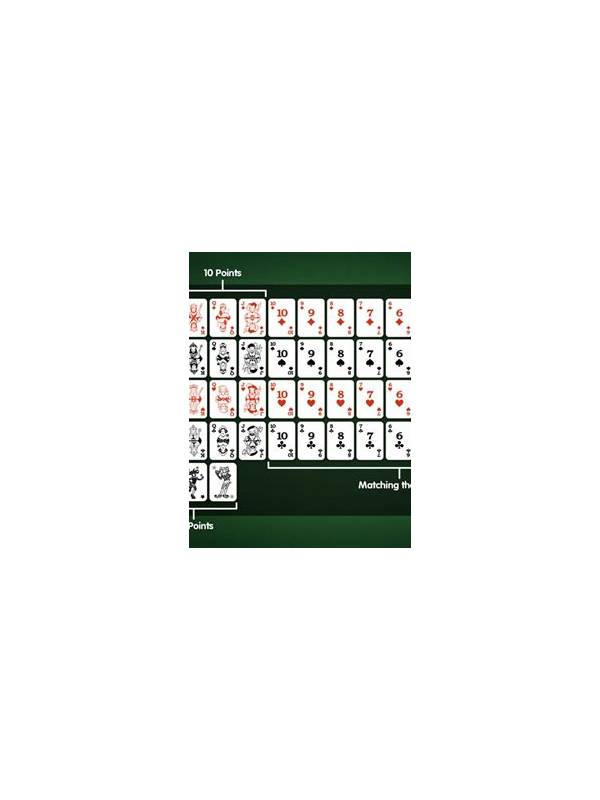
A draw record can make practice more useful without trying to document every card. Use a sheet or note with two columns. Label the first column “change” and the second “next question.” After each turn, write one short sentence in each. The method is designed for learning, not for slowing down live play.
In the change column, describe the effect of the draw. You might write, “The nine created a same-suit run with the ten,” or “The joker now has two possible jobs.” Avoid judging the turn as good or bad at this stage. A factual description is easier to review than an emotional reaction.
In the next-question column, record the uncertainty that should guide the next decision. Examples include, “Should the isolated queen be released?” and “Does the open pile card improve the set route enough to reveal my plan?” One question is enough. If you list five questions, the record becomes another source of distraction.
Add the discarded card only when it explains the decision. If you release a high card because it has no credible connection, note that reason. If you discard a card that could have supported two routes, record which route you chose and why. These details help distinguish a deliberate choice from a move that merely happened to work.
After the hand, review the two columns together. Look for repeated patterns: perhaps you often hold a pair after its useful neighbors disappear, or you fail to reconsider a joker after a new sequence forms. Choose one pattern for the next practice session. Do not try to correct everything at once.
For safety and privacy, keep the record free of login details, payment information, or personal identifiers. A small paper notebook or offline note is enough. The value comes from the questions it creates, not from a large archive.
Used consistently, the two-column draw record turns each turn into a compact lesson. It preserves the important change, names the remaining uncertainty, and gives your next practice session a specific focus. Keep the record brief enough that it remains honest. If a turn has no meaningful change, write “no structural change” and choose a new question only when one exists. Over time, the repeated questions become a map of your learning needs. You may discover that your biggest issue is not drawing choices but failing to rebuild the hand after a group changes. If you review the record later, hide the result before reading the questions. This keeps the outcome from changing your view of the decision. Ask whether the recorded question was reasonable with the information available then. That habit supports learning without turning every loss into proof that the process failed.
Related Post
How to Review a Rummy Hand Without Blaming Luck
A neutral hand review separates decisions, information, and outcomes so rummy players can learn from [...]
Rummy How-To: End a Session With a Clear Stop Routine
Turn the short interval between hands into a reset for attention, posture, and decision quality. [...]