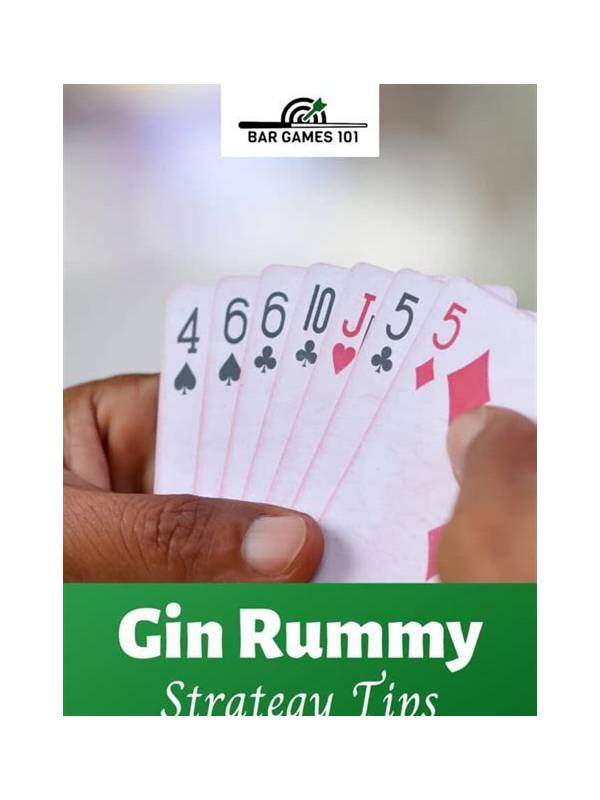
Rummy Tips for Handling a Hand With No Clear Sequence

Some hands begin without an obvious sequence, and forcing one immediately can waste several turns. Treat the opening as a search problem. Sort by suit and rank, identify the closest connections, and keep only a small number of plausible directions. The aim is to create evidence, not to defend a favorite arrangement.
First, find any two-card links that can be extended in more than one way. A connected middle pair may be more useful than a single high card that needs two exact ranks. Then check for same-rank groups that could become sets. Keep enough flexibility to compare these routes, but do not retain every distant possibility.
Choose a reassessment point before drawing further. For example, give a two-card link two turns to improve. If it receives no help, release it unless a new card has created a compelling reason to continue. This deadline protects you from spending the whole hand on a plan that was never likely.
Discard the most expensive isolated card only after checking whether it is a bridge between two groups. A card can look lonely while quietly connecting several options. Conversely, a pair that feels promising may be too narrow if only one unseen rank completes it.
Stay calm about the absence of an early sequence. A clean hand often emerges through several modest improvements rather than one perfect draw. By keeping plans limited, deadlines visible, and discards purposeful, you preserve the chance to recover without turning every card into a commitment. Imagine a scattered hand with a 5-6 link in one suit, a pair of queens, and three unrelated low cards. You might keep both the link and the pair for a turn while watching which route receives help. If a 4 or 7 arrives, the sequence gains strength. If another queen appears, the set becomes attractive. If neither develops, compare the penalty and flexibility of the two candidates and release one instead of waiting passively.
This approach also improves emotional control. A poor opening does not require a dramatic rescue. Small, rational upgrades can gradually reduce the number of isolated cards. When the hand remains difficult, accepting a limited outcome may be better than using every turn on a low-probability idea. The next useful card should earn your attention; it should not inherit it automatically from the previous plan. The reset point should be visible in your thinking. Name the route you are testing and the evidence that would make you leave it. This keeps a difficult hand manageable and turns uncertainty into a sequence of smaller decisions.
Related Post
Rummy How-To: Review a Near-Miss Without Blame
A structured near-miss review turns an almost-complete rummy hand into one specific lesson instead of [...]
Rummy Strategy: Count Useful Connections Instead of Cards
A practical way to judge a hand by its live connections rather than by card [...]