Rummy Draw Choices: When the Discard Pile Is Worth Considering
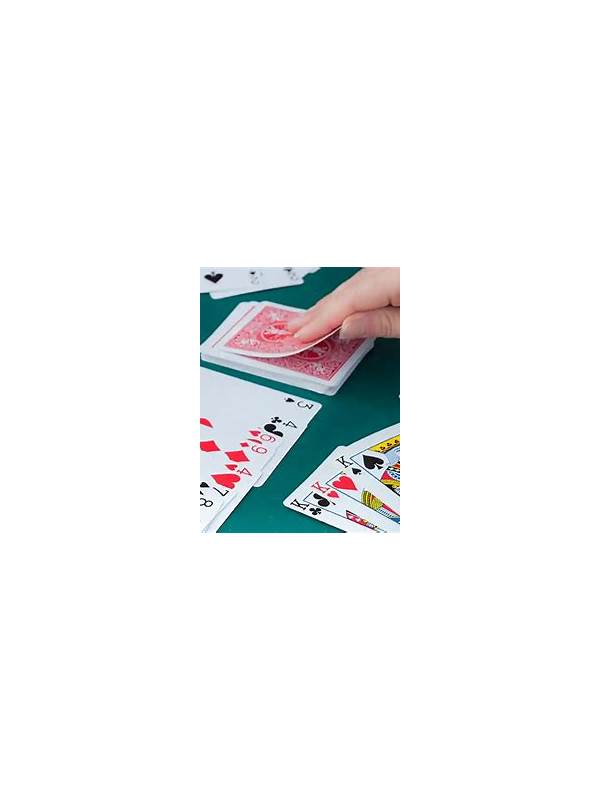
The discard pile provides information and sometimes an available card, but taking from it is not automatically better than drawing from the stock. A sound choice balances the immediate improvement to your hand with the information you reveal and the possibilities you give opponents.
First identify what the visible card actually does. If it completes a required sequence, its value is concrete. If it only creates a pair, its value is conditional: another card may be needed, and that card may never arrive. Separate “useful now” from “interesting later.” This simple distinction prevents attractive but weak pickups.
Then consider the cost of revealing your interest. In many games, taking a particular discard tells opponents something about your structure. They may infer a suit, rank range, or unfinished group. Information is not always harmful, but it should be treated as part of the price. If the card improves your hand only slightly while clearly advertising your plan, a blind stock draw may preserve more uncertainty.
Look at the cards that would remain after the choice. A stock draw keeps your selection private but is uncertain. A discard pickup is known, yet it may force you to discard a card that helps someone else. Before taking the visible card, check whether your outgoing discard would connect to a sequence or pair an opponent has already shown interest in. You cannot know their hand, but you can avoid donating an obvious connector when another discard is comparable.
Use a three-question check: Does this card complete or strongly support a legal group? What new cards become safe or unsafe to discard after taking it? Does the pickup leave enough flexibility if the missing card fails to appear? If the answers are weak, do not let the certainty of the visible card disguise its limited value.
Discard-pile decisions also depend on variant rules. Some tables allow only the top card; others expose more history or apply special restrictions. Read the table instructions, especially when switching formats. A familiar decision can change when the legal draw options change.
The best choice is not always the most exciting one. Track your draw decisions during practice and review them without judging the outcome alone. A good pickup can lose and a poor pickup can win. Evaluate whether the reasoning matched the information available at the time, then refine the check you will use on the next hand.
Related Post

Rummy Safety: Recognize a Session That Is Becoming Compulsive
Notice early warning signs of unhealthy play and use practical steps to pause before the [...]
Rummy FAQ: Why Does a Pair Feel Better Than It Is?
Pairs are easy to notice, but their real value depends on available extensions, timing, and [...]