Rummy Tips: Count Unknown Cards Without Overthinking
Card counting in rummy does not require memorizing every card that has appeared. A lightweight version is often more useful: count the cards that could help your two best plans, then separate visible cards from unknown ones.
Suppose you need one of three cards to extend a sequence. First, check whether any of those cards are already in your hand, in the discard pile, or in a group that another player has exposed under the rules of the table. Mark them as visible. The remaining candidates are unknown. You still cannot know whether an unknown card is available, but you can see how broad or narrow the request has become.
Do the same for a second plan. A plan needing five unseen cards may look exciting but be less practical than a plan needing two. This is not a promise about probability. It is a way to avoid giving equal attention to options with very different flexibility.
Keep the count small. Track only the cards connected to your current groups and perhaps one fallback. If you try to record every discard, the exercise can consume the attention needed for the actual turn. A short note such as “Plan A: two useful ranks; Plan B: one exact card” is enough.
Update the count when a relevant card appears. If the needed card is discarded, your plan may become more attractive, but consider why it was discarded and whether picking it up reveals too much about your own intention. If a needed card is taken by another player, reduce the value of that route immediately rather than waiting several turns.
At the end of the hand, review whether the count improved your choices. Did it help you abandon a narrow draw earlier? Did you protect a flexible card because several routes remained possible? Keep the parts that made decisions clearer. Counting is a decision aid, not a contest to prove perfect memory.
You can make the method even lighter by using categories instead of totals. Label a route broad, medium, or narrow based on how many useful cards remain plausible. This is often enough to choose between two draws. If you find yourself forgetting the count or delaying a turn to maintain it, stop counting and return to hand structure. A method that keeps decisions clear is better than a precise method that creates distraction. A method that keeps decisions clear is better than a precise method that creates distraction. The count should answer whether a route is worth one more draw; it does not need to estimate an exact chance. Stop when the answer is clear.
Related Post
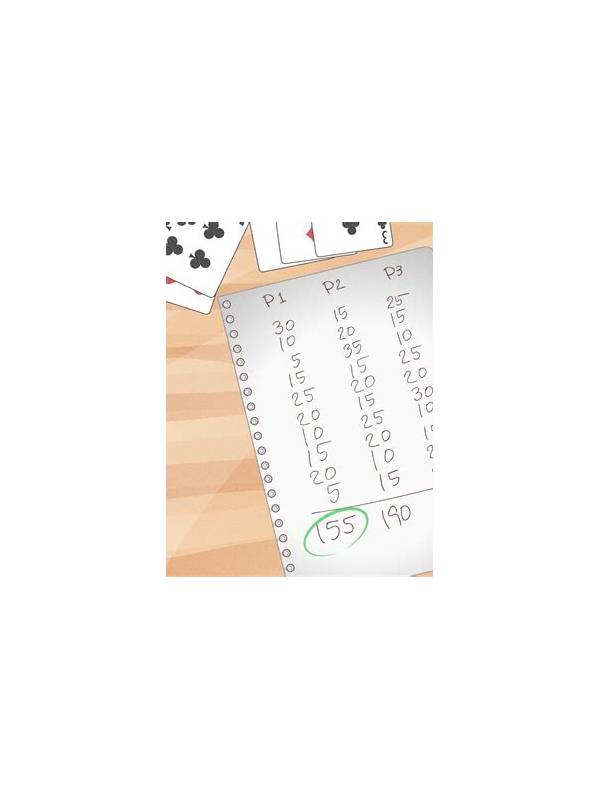
Rummy FAQ: What Should You Record After a Close Hand?
A short post-hand note can reveal repeatable decisions without turning practice into paperwork. [...]
Rummy Guide: Find the Most Expensive Assumption
Finding the assumption that could damage a hand most helps rummy players prioritize their next [...]