Rummy Guide: Use a Small Decision Tree for Discards
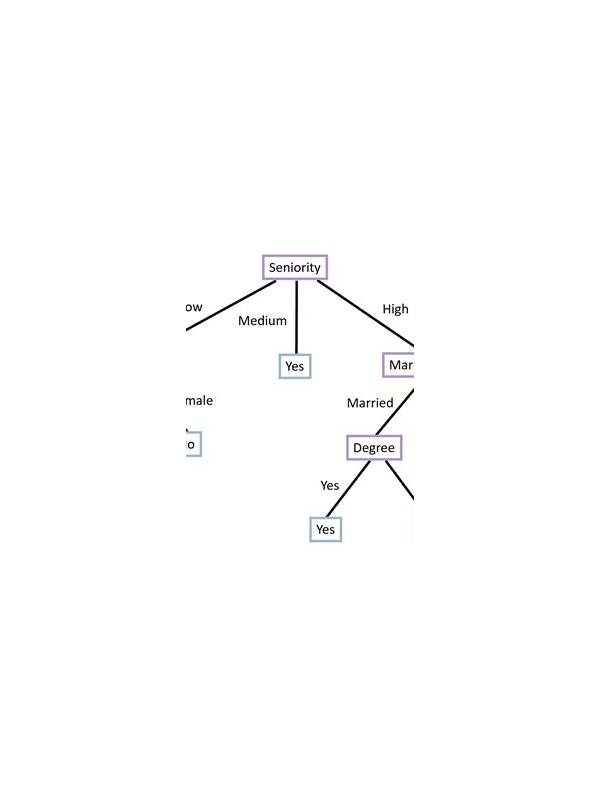
A small decision tree is useful when a turn clock makes a full analysis impractical. The tree should be short enough to remember and strict enough to prevent a dramatic guess. Three questions are usually sufficient: does the card serve a required group, does it support a realistic improvement, and what is the cost of keeping it?
First, check for a completed or nearly completed required group. If the card is part of a valid sequence or set, protect it unless another move clearly preserves the same structure. This question keeps a rushed player from discarding a foundation simply because a different card looks attractive.
Second, ask whether the card has a realistic improvement. Identify the missing ranks or matching ranks, then consider whether those routes remain plausible. A card that only works through several exact draws should not receive the same protection as a card beside two connected cards. Use the discard trail as information, but avoid assuming that an unseen card is available just because it has not appeared.
Third, compare the cost of waiting. High-point cards can create a large penalty if they remain ungrouped, while low-point cards may be safe to hold briefly. Cost also includes opportunity: keeping one card may force you to discard a useful connector later. Choose the candidate with the weakest role and the clearest cost.
If two cards pass the same tests, prefer the one that reveals less useful information to an opponent when discarded, or the one that leaves your own next turn simpler. Do not spend so long breaking a tie that the clock makes the decision for you.
Practice the tree in free games or with a physical deck. Say the questions aloud until they become automatic. The tree is not meant to replace strategy; it protects the quality of ordinary decisions when the hand is messy, the table is fast, or attention is limited.
Write the three questions near a physical practice deck if you are learning. Deal a hand, pause after each draw, and record the discarded card and the reason. Later, compare the reason with the final arrangement. This exercise teaches you to distinguish a weak role from a temporarily unlucky result. The tree remains useful even when the outcome is poor because it creates a repeatable process for review.
Keep the tree visible until the order feels natural. When reviewing notes, focus on whether the decision matched the information available at that moment. Do not rewrite the past using cards that appeared later. This distinction builds confidence in disciplined choices and shows which question needs more practice.
Related Post
Rummy Card Inventory: Track What Your Hand Still Needs
An inventory of missing ranks and suits can make a changing rummy hand easier to [...]
Rummy Safety: Set a Session Stop Rule Before You Start
A clear stop rule can protect time, attention, and spending during online rummy sessions. [...]