Rummy FAQ: Should You Reorder Cards After Every Draw?
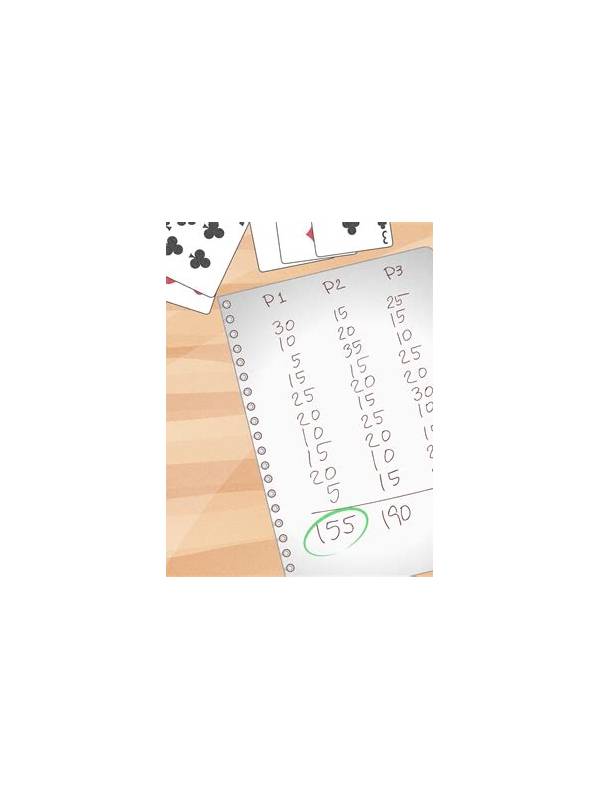
You do not need to reorder your hand after every draw. Reordering is useful when it reveals a new group, separates confirmed combinations, or makes a decision easier to verify. Constant movement can instead create confusion and consume attention that should go to the discard and table.
Choose one stable organizing method. You might group by suit, by current sequence, or by role such as confirmed, conditional, and loose. The method matters less than using it consistently. A stable arrangement lets you notice changes without rebuilding your mental picture after every action.
Reorder at three moments: after a new card changes a route, before checking a declaration, and when your current arrangement no longer shows the hand clearly. Pause briefly and place cards according to the chosen method. Then confirm that no card has been accidentally ignored or counted twice.
Avoid arranging cards to tell a flattering story. A visually neat group is not necessarily a legal sequence, and two adjacent ranks in different suits are not automatically connected. After sorting, check the actual rules. Organization supports recognition; it does not replace verification.
On a small screen, use the platform’s permitted sort controls and avoid frantic tapping. If the interface is unclear, slow down or leave the table rather than risking a mistaken action. Never install an unofficial tool to change the display or expose hidden information.
In review, ask whether reordering improved a decision. If it did, keep the routine. If it made you slower without adding clarity, simplify it to one pre-discard check. The best arrangement is the one that lets you see jobs, gaps, and backups quickly.
So the answer is no: reordering after every draw is unnecessary. Reorder when information changes the structure of the hand, and keep the method steady. That balance improves visibility without turning card management into another source of pressure.
If you play online, check whether the sort order changes automatically after a draw. A sudden rearrangement can make a card appear to have a different role when only its position changed. Confirm the card itself, the suit, and the rank before acting. Interface familiarity is part of accuracy, particularly on a small phone screen or during a fast table.
If you prefer manual sorting, leave confirmed groups together and place loose cards in a separate, consistent area. That arrangement makes it easier to check whether a card has a real job. Before declaring, perform a final independent count rather than trusting the visual order alone. Organization should support the rules, never substitute for them.
Related Post
Rummy Safety: A Checklist for Shared Devices
These practical steps reduce privacy and account risks when rummy is played on a shared [...]
Rummy Practice With a Timer: Measure Clarity, Not Speed Alone
Use timed practice to improve a repeatable decision process without turning every hand into a [...]