Rummy FAQ: What Makes a Card a Good Connector?
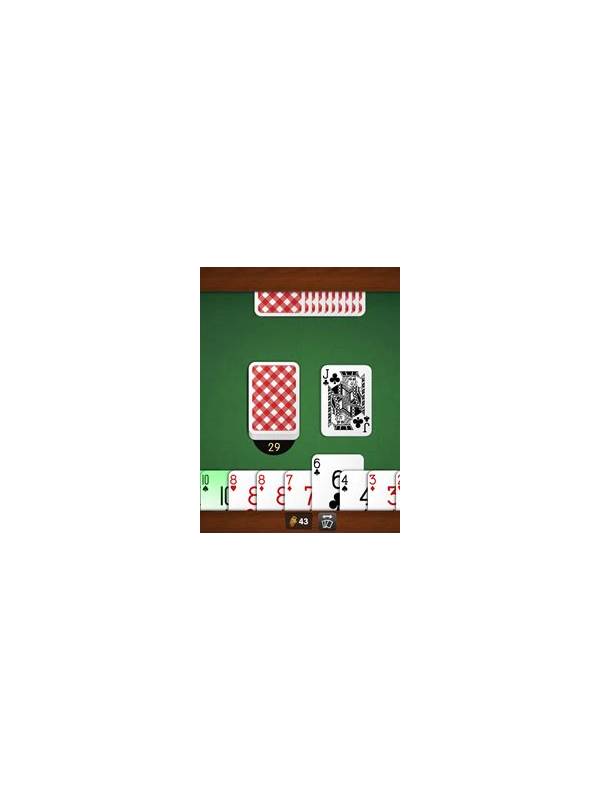
A connector is a card that can help form a sequence with cards near it in rank and in the same suit. But not every nearby card is equally valuable. A good connector offers realistic improvement without forcing the rest of the hand into an awkward shape.
Suit is the first test. A seven of hearts cannot directly connect to a six of clubs, even though the ranks are adjacent. In a physical hand, sort by suit before judging rank distance. In an app, use the arrangement that makes suit and rank easy to verify. Many avoidable errors begin when a player notices the numbers but overlooks the suits.
Rank distance is the second test. A card one step from a possible sequence has a clearer route than a card separated by two ranks. Middle cards can sometimes connect on either side, giving them more possible improvements. Edge cards have fewer directions and may become isolated quickly. This is a guideline, not a guarantee: a low card may be valuable when it already supports a strong anchor.
The third test is alternative use. A connector is stronger when it can join more than one plan. A card that could complete either a sequence or a set gives you room to adapt. However, count a card only once in any actual arrangement. Its flexibility is a choice between plans, not permission to place it in both groups.
Finally, consider timing. A connector may be good early and poor late if it has not improved. Ask how many turns you are willing to spend waiting. If a narrow connector still has no support after several draws, releasing it may protect your score and your attention.
When reviewing a hand, describe each connector precisely: “same-suit six beside seven,” “middle card with two possible neighbors,” or “pair candidate with an alternative sequence.” Precise language makes the decision testable. A good connector is not a lucky charm. It is a card with a clear route, reasonable alternatives, and a sensible deadline. A good connector is not a lucky charm. It is a card with a clear route, reasonable alternatives, and a sensible deadline.
One practical test is to remove the connector mentally and ask what remains. If the rest of the hand still has a reasonable plan, the connector can be treated as a flexible experiment. If removing it breaks the only required structure, protect it but set a review point. This distinction prevents a card from being called “good” merely because it sits beside another rank. Its value comes from the complete hand, the rules in force, and the choices it creates on the next turn.
Related Post

Rummy FAQ: Why Is a Low Card Not Always Safe to Keep?
Low point value reduces penalty, but it does not automatically make a card useful or [...]
Rummy Safety: Avoid Playing While Emotionally Rushed
Recognizing emotional rushing before a session helps protect time, money, and the quality of important [...]