Rummy Safety: How to Set a Session Loss Limit
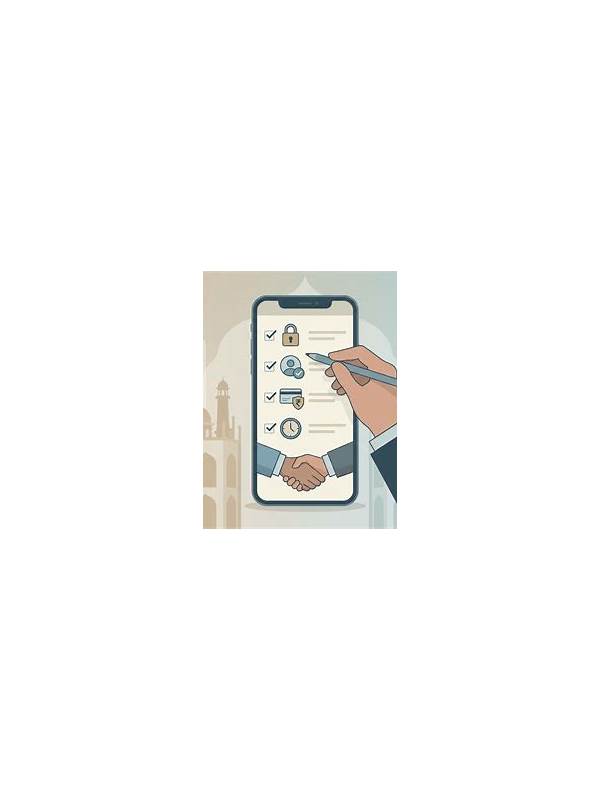
A session loss limit is a boundary decided before play begins. It is not a promise to win back a previous loss, and it should never be changed because a game feels close. The purpose is to make spending predictable while keeping the activity within an amount you can comfortably afford to lose.
Start with money that is genuinely discretionary. Rent, food, transport, debt payments, savings, and emergency funds should not be included. If the amount is difficult to name without checking your budget, that is a useful signal to choose a free or practice mode instead. A limit should reduce pressure, not create it.
Write down the exact ceiling and the time window. For example, you might set a small amount for one evening and decide that the session ends when either the money or the planned time runs out. Separating those two limits matters. A short session can still become uncomfortable if spending accelerates, while a long session can become tiring even with a balance left.
Use practical controls where available. Deposit limits, reminders, cooling-off periods, and self-exclusion tools are designed to add distance between an impulse and an action. Keep notifications muted if they encourage urgency. Do not borrow money, use a credit line, or transfer funds simply to continue a session.
The most important rule is how to handle a loss. When the limit is reached, stop. Do not define a second amount as a “recovery budget,” because that turns a boundary into a moving target. A win should also not be treated as permission to abandon the time limit. Save the result, close the app, and review it later when emotions are calmer.
After a few sessions, look for patterns rather than judging individual outcomes. Are you playing when tired, chasing losses, or increasing stakes after frustration? If so, take a break and consider a longer pause. If play is affecting sleep, relationships, work, or finances, seek support and stop using the service. A clear limit is one part of responsible play; the willingness to honor it is the part that protects you.
Tell a trusted person about the boundary if that makes it easier to follow, but do not share passwords or payment details. You can also place the limit in a written budget and schedule a reminder to review it before the next session. If the limit repeatedly feels impossible to keep, treat that as a reason to stop rather than as evidence that the limit is too small. Support, distance, and time away are appropriate responses.
Related Post
Rummy How-To: Separate Rule Errors From Strategy Errors
Distinguishing a rules mistake from a strategic mistake leads to more accurate rummy practice. [...]
Rummy Safety: Manage Notifications During a Session
Controlling notifications protects attention and reduces the chance of clicking through a rushed decision. [...]