Rummy Safety: Plan an Exit From a Distracting Session
Write the boundary in plain language, such as “no new round after the stop time.” Clear wording prevents a tired mind from quietly changing the rule to fit the moment.
Tell yourself the exit rule in advance and make it easy to follow. Put the end time on a reminder, keep limits visible, and avoid storing unnecessary payment details on a shared device. Small environmental choices support the boundary when willpower is low.
A rummy session can become unsafe for decision quality before anything dramatic happens. Fatigue, repeated interruptions, poor connectivity, and frustration all reduce attention. An exit plan decides in advance what you will do when the session is no longer supporting clear choices.
Set three boundaries before starting: a time limit, a spending limit if paid play is involved, and a condition that ends the session. The condition might be repeated rushed decisions, an unstable connection, or the need to handle another responsibility. Make the rule specific enough that you do not have to negotiate with yourself while distracted.
When a warning sign appears, finish only the action that is already in progress if it is safe and permitted. Do not start another round to recover a result or prove that you can concentrate. Record a brief note about the stopping point, then leave the table through the normal exit control. If the interface is frozen, avoid repeated payment or entry actions and wait for a clear state.
Protect the account after leaving. Sign out on shared devices, close sensitive screens, and check that no private information remains visible. If you used a borrowed phone or public network, review the device and account settings through trusted routes later. Never use an unofficial contact who promises to close the session or release funds.
An exit plan should also cover emotional pressure. If you notice anger, urgency, concealment, or a desire to increase stakes after a loss, treat those feelings as a reason to stop. Do something unrelated for a while: walk, drink water, or handle a routine task. The goal is distance, not punishment.
Review the plan occasionally. A boundary that is too vague will be ignored, while one that is too strict may be impractical. Adjust it when calm, based on what actually happened. A session ends successfully when you follow your limits, regardless of the result on the table.
Responsible play is partly a strategy of environment. By planning the exit before attention declines, you protect your time, privacy, and budget. Clear decisions require a clear stopping point.
Related Post
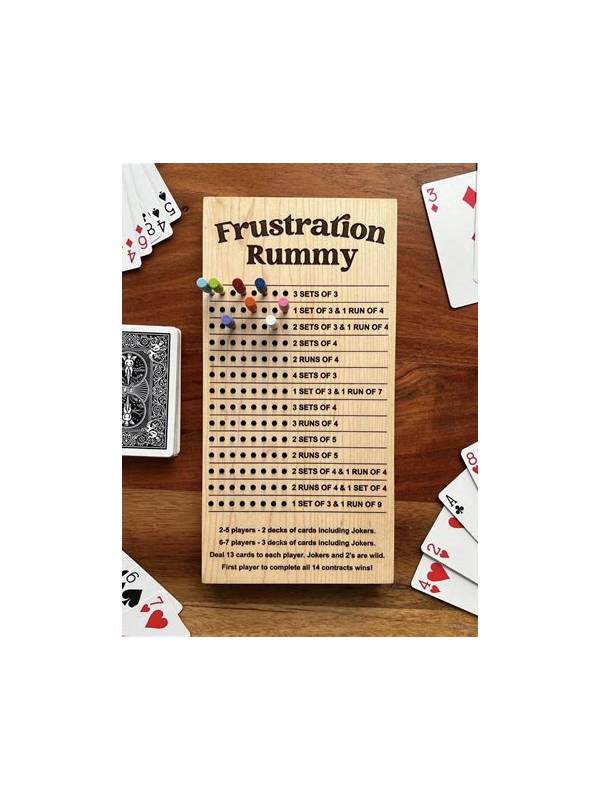
Reading a Rummy Scoreboard Without Misreading Momentum
Learn how to use a rummy scoreboard as context without letting a running total dictate [...]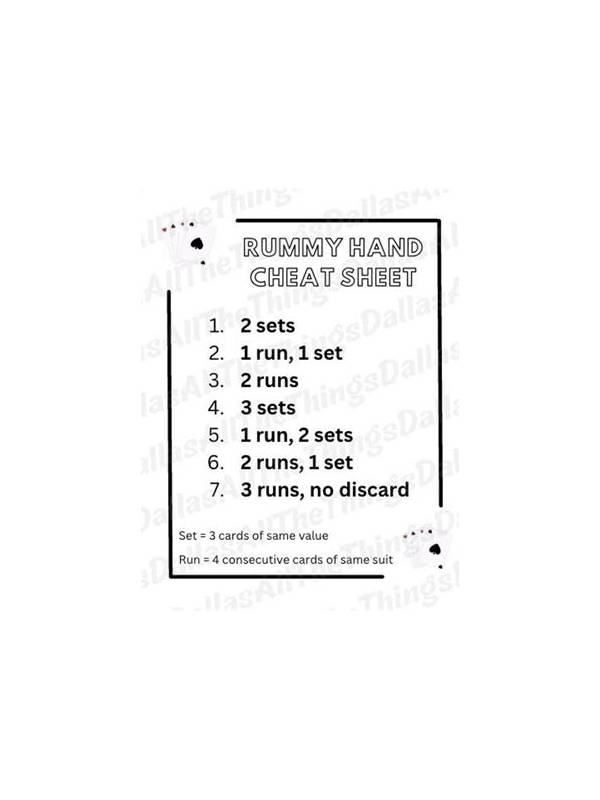
Rummy How-To: Review a Hand With Color-Blind-Friendly Symbols
Simple symbols and text labels can make rummy hand review clearer when color alone is [...]