Rummy Guide: Build a Better First-Pass Hand Map
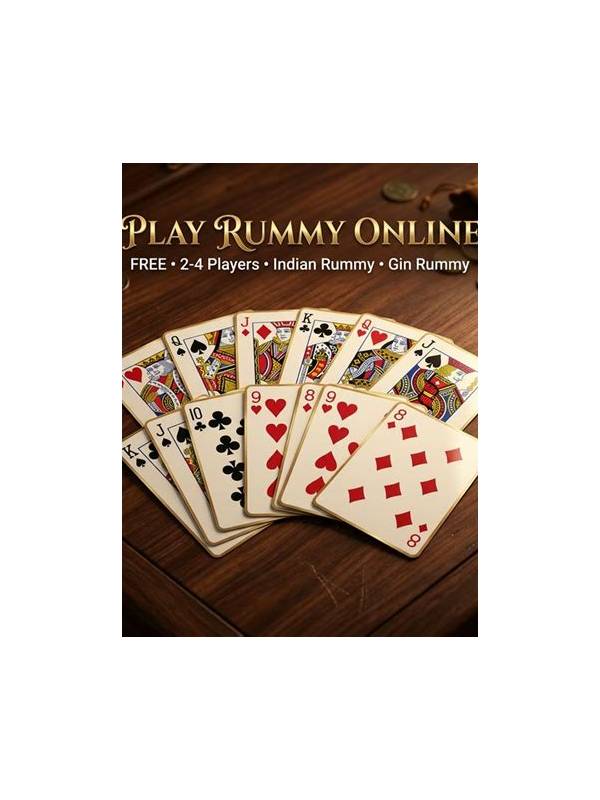
The first few seconds after a rummy deal can feel crowded. Every card appears to suggest a different plan, while the clock encourages an immediate choice. A first-pass hand map creates order without pretending that the final arrangement is already known. It is a quick inventory of what your cards can do now, what they might do later, and what is merely wishful thinking.
Start by separating obvious structures. Put confirmed or nearly confirmed sequences together, then place matching ranks in a second area. Keep unconnected cards in a third group. Do not call a pair a set or a two-card run a sequence. The purpose of the map is accuracy, so label incomplete groups as possibilities rather than treating them as completed work.
Next, mark cards with more than one useful role. A middle card may extend a run on either side, while a card beside a pair may support a sequence as well as a set. These flexible cards deserve attention because discarding one can remove several future routes. They are not automatically keepers, however. Flexibility matters only when the surrounding cards and the remaining time make those routes realistic.
Add a risk note beside isolated high-value cards. Ask whether each card is likely to connect soon, whether it can be discarded safely, and whether holding it prevents a cleaner structure. This step keeps emotional attachment out of the evaluation. A prestigious card is not valuable merely because it is high ranking; its value comes from reducing deadwood or completing a legal grouping.
Finally, choose a review point. After one or two draws, redraw the map instead of defending the original plan. A useful map is temporary. It should make the next decision clearer, reveal when a route has gone cold, and help you notice whether your hand is becoming simpler. If play feels urgent, pause for one breath, identify the weakest card, and act on the current evidence rather than an imagined perfect hand.
Keep the map descriptive rather than predictive. Write “two-card route with two possible connectors” instead of “this will probably complete.” That wording preserves uncertainty and makes later review fair. It also helps you notice when a card is being held because of habit. If a route needs several exact cards, mark that plainly so its narrowness is visible.
The map can be mental, written on paper, or represented with simple groups on screen. Use the format that takes the least attention away from the game. Its job is to reduce cognitive noise, compare choices, and support a clean change of plan when the evidence moves.
Related Post

Rummy FAQ: Why Does Suit Distribution Matter?
Suit distribution affects how many sequence routes remain available and how easily a rummy hand [...]
Rummy Tips: Use Suit Distribution as a Planning Clue
Suit distribution can reveal which sequence plans are realistic and which are too narrow. [...]