Rummy How-To: Use a Neutral Review Scorecard
A result-based review asks whether you won or lost. A neutral scorecard asks how you made decisions with the information available at the time. This distinction matters because a good process can lose to an unlucky draw, while a poor process can occasionally produce a win. A small scorecard keeps the review honest and useful.
Choose four categories: rule awareness, option comparison, risk awareness, and emotional control. Give each category a simple mark such as clear, mixed, or needs work. Rule awareness asks whether you understood the format and declaration requirements. Option comparison asks whether you considered at least one realistic alternative. Risk awareness asks whether you noticed the cost of the discard or plan. Emotional control asks whether you stayed within your session boundaries.
Write one piece of evidence for each mark. “Mixed option comparison: I saw two routes but did not check their completion costs” is better than “played badly.” If a category is not relevant, leave it blank rather than inventing a criticism. The scorecard is a diagnostic tool, not a performance ranking.
End with one next-session experiment. It might be checking the rules before joining, naming a discard’s job, or taking a scheduled break. Keep the experiment small enough to practice without changing every part of your game. After several reviews, look for repeated categories rather than overreacting to a single hand.
Use the scorecard when calm and stop if the review becomes self-attack. Learning requires accurate observation, and harsh labels usually reduce accuracy. A neutral review does not remove responsibility; it turns responsibility into a concrete, repeatable improvement process.
You can add a fifth category for technology when relevant. Mark whether the connection, screen layout, or controls affected the decision. This prevents you from treating a misread button or delayed screen as a purely strategic error. Keep technical notes factual and avoid assigning blame until the evidence is clear. Use the same scorecard language from hand to hand. Changing the standard after a win makes the review flattering; changing it after a loss makes it punitive. If you marked option comparison as clear, explain why with one fact. If you marked emotional control as mixed, identify the moment and the boundary that would help next time. Consistent evidence makes patterns visible across several sessions and reduces hindsight. The final score is still worth recording, but keep it in a separate result field. Separating outcome from process lets you notice a good decision that lost and a lucky result that should not be repeated. Over time, this creates a more realistic picture of your progress.
Related Post
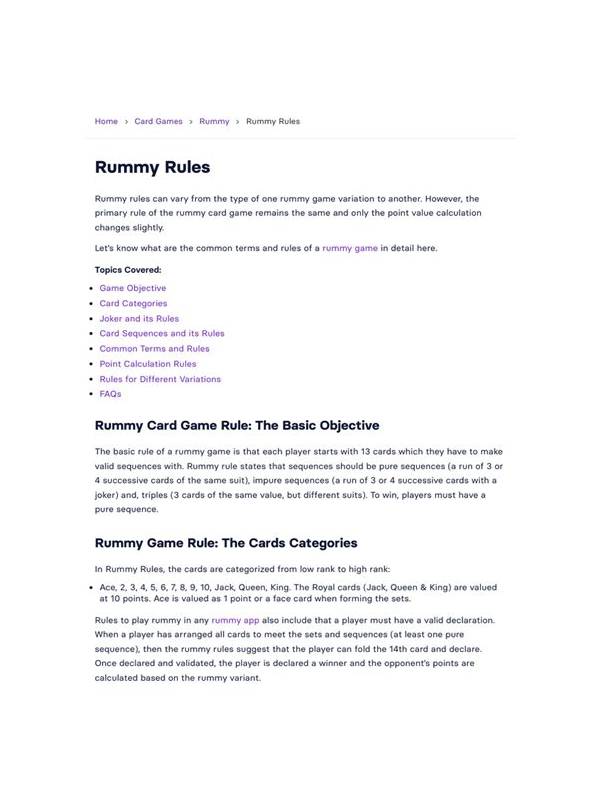
Rummy Rule Translation: Turn Formal Wording Into Actions
A step-by-step method for converting dense rummy rules into clear actions at the table. [...]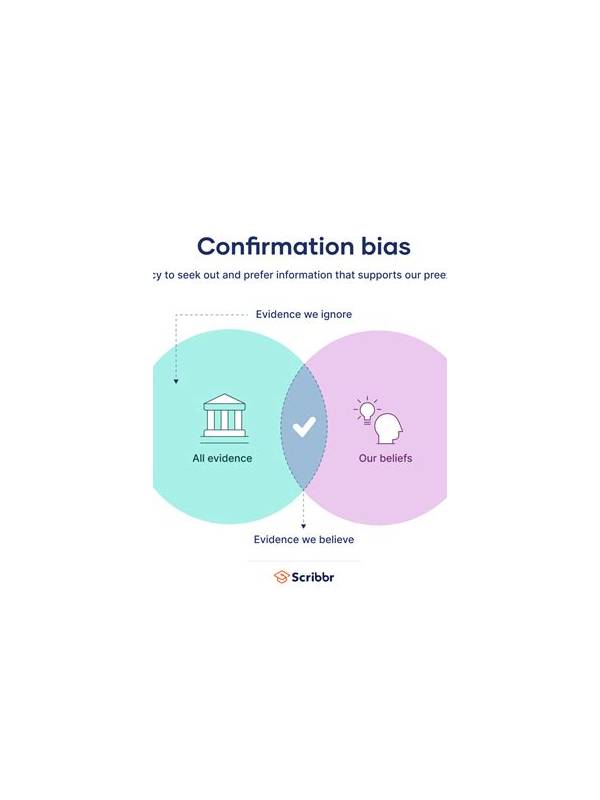
Rummy Tips: Test Your Plan for Confirmation Bias
Use a quick counterargument to avoid seeing every new card as support for an existing [...]