Rummy Safety: Recognize Fake Support Messages
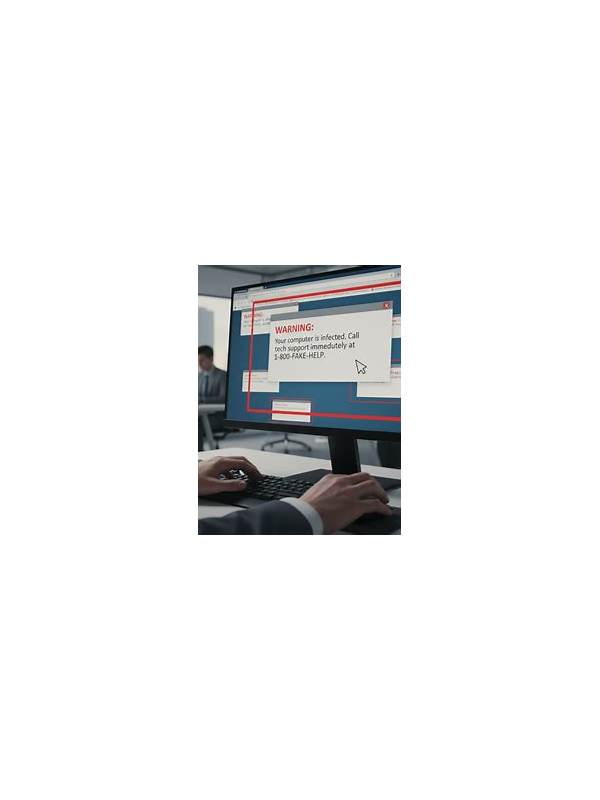
Fake support messages often use familiar names, urgent language, and promises of quick account help. They may claim that a withdrawal is blocked, a bonus is expiring, or an identity check must be completed immediately. Treat the message as untrusted until you verify it independently.
Do not click the first link or reply with account details. Instead, open the service through a bookmark or manually entered official address. Find the support section there and check whether the message is visible in your account. A genuine support team should not require you to bypass normal account channels.
Never share a password, one-time code, recovery phrase, or full payment credential with someone who contacts you unexpectedly. Support may need limited information to locate an issue, but secret authentication codes are designed to remain private. Be especially cautious when a message asks you to install remote-control software or move a conversation to a private chat app.
Inspect the sender carefully, but do not rely on the displayed name. Look for mismatched domains, unusual spelling, pressure to act, and requests for payment to “unlock” funds. Screenshots and logos can be copied easily. If money is involved, pause and verify through a separate official channel before taking any step.
If you already clicked a suspicious link, close it, change the affected password from a trusted device, and review account sessions and payment activity. Contact your bank or platform through its official contact method if financial information was exposed. Keep a record of the message without forwarding it to others.
Good security is mostly controlled pacing. Urgency benefits the sender; a pause gives you time to verify the source and protect your account.
Use separate contact details for account recovery where the service permits it, and enable multifactor protection through the official settings page. Keep your device lock active, especially if payment or identity documents are stored on it. If a friend forwards a warning, do not assume the warning is genuine simply because it came from someone you know; their account may also be compromised. Share a general safety reminder instead of forwarding the suspicious link. Small barriers make social engineering less effective. Legitimate providers can make mistakes, but verification still matters. If a message is real, you should be able to confirm it through the normal account dashboard or published support route. A request that cannot survive independent verification should not receive your information or money.
Related Post

Rummy Strategy: Separate Visible Progress From Real Progress
Learn to judge whether a hand is genuinely improving instead of counting attractive but incomplete [...]
Rummy Comparison: Early Information Versus Late Flexibility
Early information and late flexibility solve different problems, so compare them by timing and recovery [...]