Rummy How-To: Review a Hand Using Three Simple Checkpoints
Post-hand review does not need a long spreadsheet. A short method can show where a decision changed the direction of play. Use three checkpoints: opening structure, mid-hand commitment, and final risk.
At the opening checkpoint, describe the hand without judging it. Count completed groups, promising connections, isolated cards, and high-value leftovers. Note whether the hand offered one clear route or several partial routes. This separates the quality of the starting position from the choices made afterward.
At the mid-hand checkpoint, identify the first important commitment. Perhaps you kept a pair instead of pursuing a sequence, took a visible discard, or changed the main plan after a new draw. Ask what information was available at that moment and what alternative was rejected. A decision can be reasonable even when the later result is poor.
At the final-risk checkpoint, look at the last two or three turns. Did you verify the declaration requirements? Did you keep a dangerous card because it had an attractive possibility? Did the timer create unnecessary pressure? Focus on the process that could be repeated, not on luck in the final draw.
Write one sentence for each checkpoint. For example: “The opening had two routes,” “I committed after only one confirming card,” and “I delayed removing a high-value single.” Three sentences are enough to identify a practice goal for the next session.
Avoid reviewing every turn equally. Most turns are routine; the useful moments are changes in plan, unusual draws, and decisions made under pressure. Over time, compare several reviews to see whether the same issue appears. A recurring pattern is more valuable than a single memorable mistake.
The purpose of review is better awareness, not self-criticism. If the exercise feels frustrating, shorten it and return to one checkpoint. Consistent, honest reviews gradually make decision-making more deliberate. If the hand is no longer visible after the table closes, recreate only the important state from memory. Write the cards or choices you still remember and mark uncertain details as uncertain. Inventing exact information makes the review look precise while making it less reliable. You can also compare your review with a friend’s account of the same hand, provided no private account details are shared. Over time, the three checkpoints become a compact journal of habits. The journal does not need to predict future outcomes; it simply helps you notice whether your process is becoming clearer, calmer, and more consistent.
Related Post
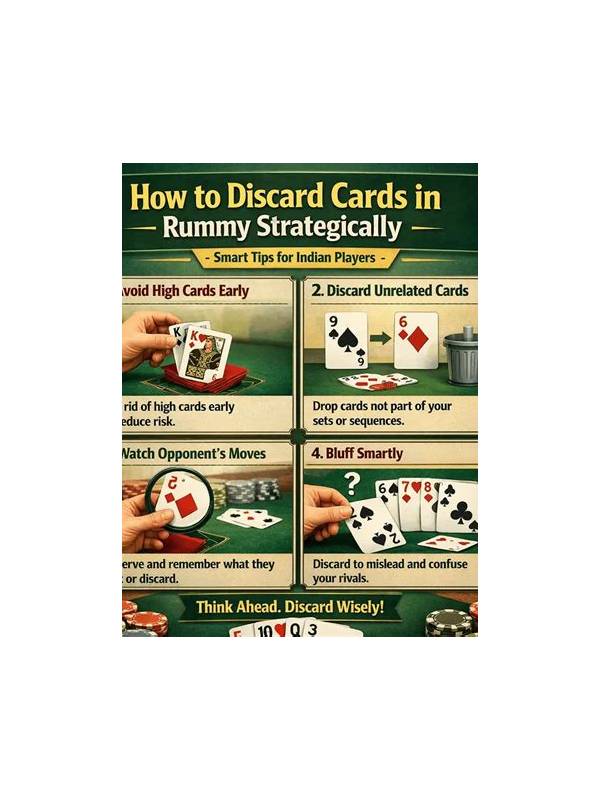
Rummy Tips: Test a Discard Against Three Future Draws
Comparing a discard with several plausible future draws can reveal whether it is truly weak [...]
Rummy Safety: Check Support Channels Before Reporting a Problem
Verifying an official support channel helps protect account information when a rummy issue needs reporting. [...]