Rummy How-To: Test a Sequence With One Missing Card
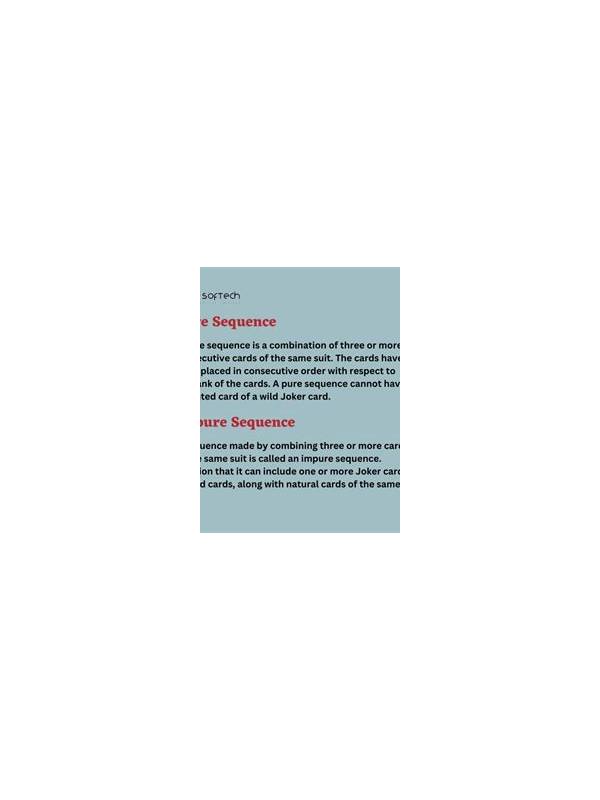
A sequence with one missing card can look stronger than it really is. Before holding it automatically, test the route using four questions. The first is structural: does the format allow the proposed sequence, including suit and length requirements? A visually neat group is not useful if it cannot count as a valid meld.
The second question is about the gap. Is the missing card one exact rank, or can several cards repair the route? A single-out route may still be worthwhile when the needed card is reasonably available and the rest of the hand is stable. If the gap is narrow and your hand has many other unfinished pieces, the route may be too expensive.
Third, inspect the neighboring cards. A sequence candidate can have hidden value when one of its cards also connects to another route. It can have hidden cost when releasing any neighboring card would leave a high-value single. Put the candidate beside your other holdings and judge the whole arrangement. Do not count the same card as support for two plans unless you have a clear way to choose between them.
Finally, set a review point. You might hold the route for one draw, then reassess if the required card does not arrive or if a better plan appears. A deadline prevents a nearly complete sequence from becoming a permanent excuse to keep weak cards. It also makes your later review more precise: you can ask whether the route deserved one extra turn, rather than whether the entire hand was lucky.
Use the test before drawing, not after a disappointing result. A clear route, reasonable repair options, manageable point exposure, and a defined deadline make a candidate worth considering. If two of those conditions fail, a clean discard may be the more useful decision even when the sequence looks tantalizing.
One practical exercise is to create sample candidates with different gaps and mark the repair cards in a notebook. Compare a one-out sequence with a route that has three plausible improvements. Then add the rest of the hand and see how point exposure changes the answer. This teaches the important lesson that a route is evaluated in context, not by its attractive core alone. The test is also useful for explaining decisions to another player: describe its legal form, repair range, cost, and deadline instead of saying that it merely felt good.
If the route is supported by a natural sequence requirement, check that requirement before counting it as nearly complete. A candidate that fails the format check has no useful repair value. Keep the final choice simple enough to execute before the next timer or turn event.
Related Post
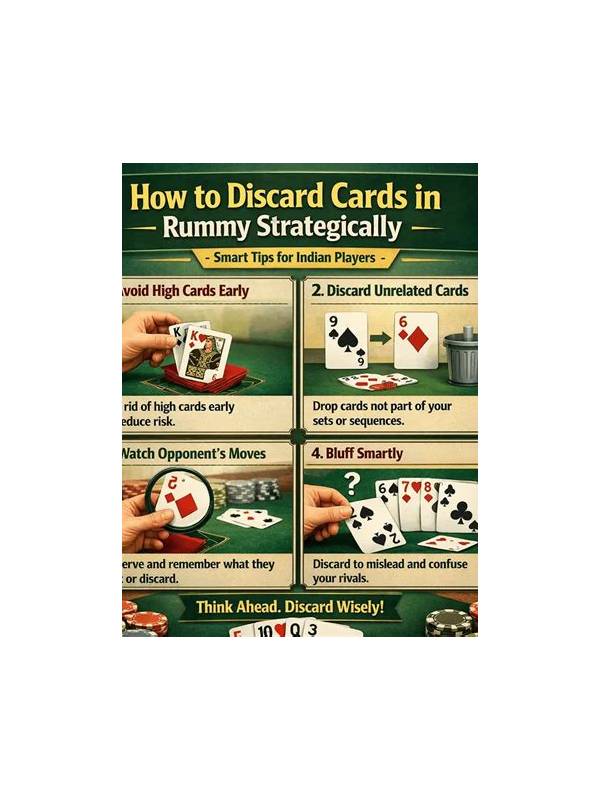
Rummy How-To: Build a Discard Queue for Awkward Cards
Create a short, changing discard queue so difficult cards do not control every future decision. [...]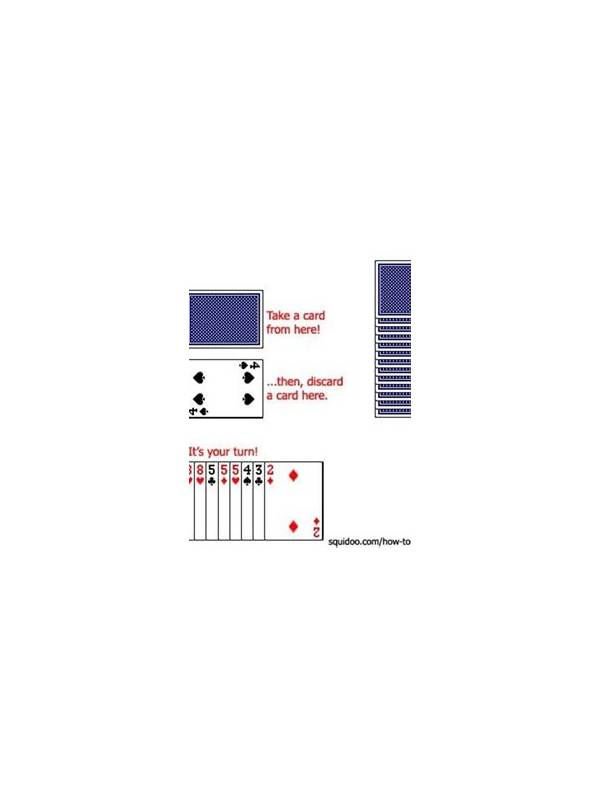
Rummy FAQ: How Much Should the Discard Pile Influence Your Plan?
The discard pile is valuable evidence, but it should adjust a plan rather than replace [...]