Rummy FAQ: What Is a Narrow Plan?
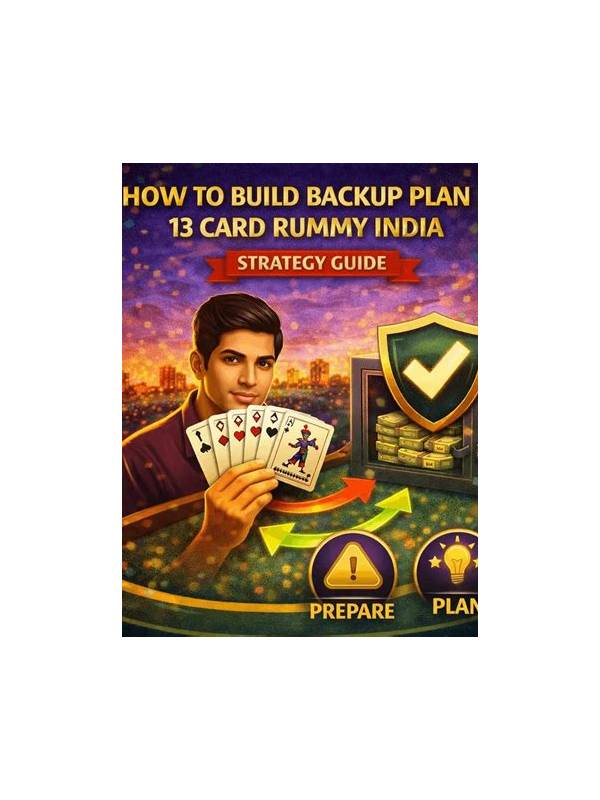
A narrow plan is a hand-building idea that can succeed only through a small set of exact cards or a single sequence of events. For example, two cards may require one specific rank and suit, while other cards are held because the player hopes that route will appear. Narrow does not mean impossible, but it does mean fragile.
The first sign is a short list of outs. If you can name only one or two cards that improve the plan, compare it with a broader arrangement. A second sign is dependency: several cards may all need the same missing card. The hand then has less flexibility than its visual size suggests.
Timing changes the answer. Early in a hand, a narrow plan can be a reasonable experiment if the penalty is controlled and a fallback remains. Late in a hand, the same plan may be too risky because there are not enough draws to recover. Always count distance and opportunity, not just excitement.
A fallback is a different route that uses some of the same cards but does not depend on the exact same outcome. It might involve releasing a weak connector, protecting a completed pure sequence, or building a lower-penalty structure. A fallback is not a second fantasy; it is an action you could take if evidence turns against the first plan.
To test your plan, say what you need, how many realistic draws remain, and what you will discard if those draws do not arrive. If you cannot answer the third question, the plan may be controlling the hand rather than serving it. Review the plan after each draw and be willing to change it.
Recognizing narrow plans is valuable because it replaces vague hope with an explicit risk assessment. You can still pursue a difficult route, but you do so knowingly, with a limit and an alternative. That is better decision-making than treating every possible combination as equally likely.
One practical safeguard is to set a reconsideration point. For example, after the next draw, you may release the plan if it still has no new connection or if a required group remains impossible to form. The exact point depends on the format, but naming it in advance prevents sunk-cost thinking. A narrow route can be explored responsibly when it has both an entry condition and an exit condition.
Fallback planning does not require abandoning ambition. It gives the hand a defined response when the needed card does not arrive. That response might lower points, preserve a valid group, or end the session. The important part is deciding before pressure makes the narrow route feel emotionally expensive to leave.
Related Post
Rummy How-To: Use a Last-Card Liability Check
A last-card check shows whether a promising route leaves one dangerous card stranded. [...]
Rummy FAQ: What Does a Card’s Opportunity Cost Mean?
Learn how to judge what you give up when keeping one useful card instead of [...]